Scientists and community groups warned that the controversial Tampakan Copper-Gold Project could worsen forest loss and threaten major Mindanao watersheds as environmental reports tied to the mine remain inaccessible to the public.
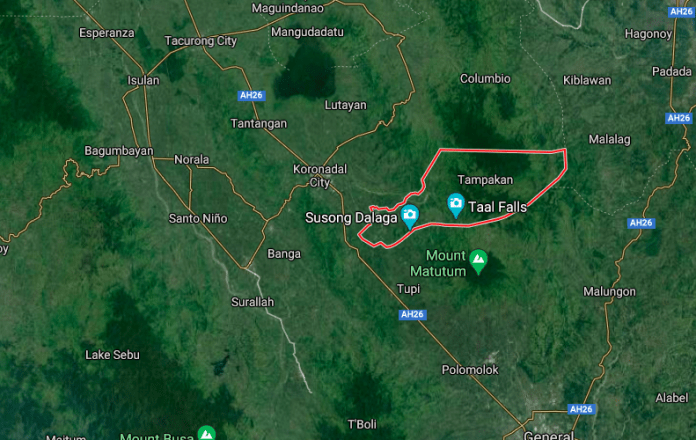
The concerns were raised during the Tampakan Water Forum held May 13 in Koronadal City, where researchers, civil society groups, affected communities, and local officials discussed ecological risks linked to the proposed mining project spanning South Cotabato, Sultan Kudarat, Sarangani, and Davao del Sur.
Leon Dulce, campaigns support and linkages coordinator of the Legal Rights and Natural Resources Center (LRC), said communities near the project site have reported increasing development activities by Sagittarius Mines Inc. despite the absence of public consultations and restricted access to environmental assessments required by law.
“We therefore sought independent scientific studies to assess what is at stake if the Tampakan mine proceeds without addressing outstanding ecological concerns,” Dulce said.
Researchers from the Ateneo de Davao University Tropical Institute for Climate Studies, University of Southern Mindanao, Ateneo de Manila University, and the University of the Philippines Community Science Hub presented studies on watersheds, forest biodiversity, and climate risks in upstream and downstream communities surrounding the mine site.
Researcher Frances Jan Marie Manlagaylay of the Tropical Institute for Climate Studies said satellite data showed a net forest loss of 3,306 hectares between 2000 and 2020 across five watersheds connected to the Tampakan mine area.
“Nearly 90% of these watersheds face high agricultural drought risk, underscoring their vulnerability,” Manlagaylay said.
She said the Mal basin, where most of the mine infrastructure is planned, recorded the steepest forest decline and faces high exposure to drought, floods, and landslides.
“The mine site itself overlaps directly with flood- and landslide-prone areas,” she said, warning that mining operations could further intensify climate-related risks and forest degradation.
The forum also highlighted concerns over government transparency surrounding the project.
A recent report by regional news outlet MindaNews said the Department of Environment and Natural Resources denied a Freedom of Information request seeking details on the number of trees approved for cutting under the project, citing exemptions under its FOI manual.
Dulce said similar requests filed by LRC seeking access to the project’s latest Environmental Impact Statement had also been denied. Last November, the group and the Diocese of Marbel filed a case before the Supreme Court challenging the denial of public access to the documents.
Dulce said the scientific findings raised questions on whether the mining company had adequately assessed the project’s impacts on forests, watersheds, and biodiversity.
“Watersheds don’t recognize project or political boundaries,” Dulce said. “Once they happen, the impacts can travel downstream and affect water security, food systems, biodiversity, and livelihoods far beyond the direct impact area.”