Fisherfolk and coastal residents in Bicol used a photography and poetry gathering to oppose proposed coastal road projects and call for the protection of Gubat Bay, where communities depend on the sea for their livelihoods.
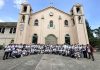
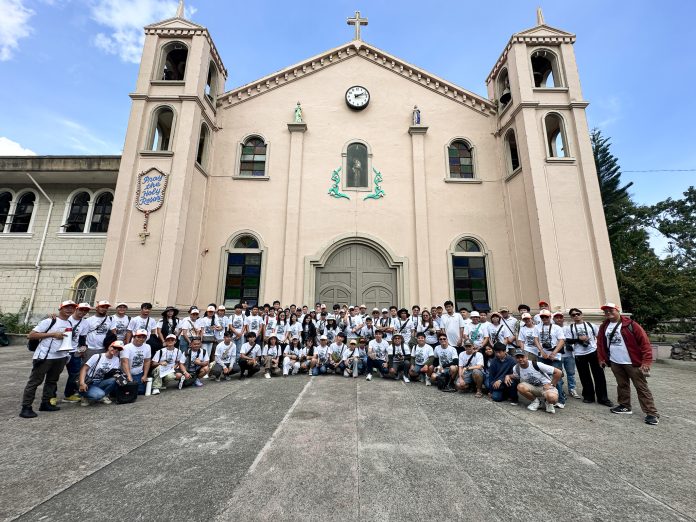
The Oct. 3 gathering in Gubat, Sorsogon, brought together fisherfolk, residents, photographers, artists, poets and environmental advocates for “LAKAT-LENTE nan RAWIT-DAWIT SA BAYBAYON: Photowalk x Poetry Reading at Gubat Bay.”
During the activity, fisherfolk and coastal residents carried placards calling for the protection of seas and coastlines and expressing opposition to the proposed coastal roads.
Save Gubat Bay Movement President Allan Espallardo said the gathering gave coastal communities an opportunity to make their concerns more visible.
“The bay is not just a backdrop. It is where people live, work and earn their livelihood. Through this activity, we were able to bring the voices of fisherfolk and coastal residents into a creative space where more people can see why protecting Gubat Bay matters,” Espallardo said.
The gathering was organized by the Kurit-Lagting Art Collective and the Save Gubat Bay Movement, a community movement composed of fisherfolk and coastal residents, with Rhymes of PEG as poetry partner.
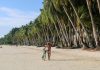
Participants explored selected areas along the coast, photographing people, places and everyday scenes connected to the sea.
Organizers said the activity sought to draw attention not only to the coastline as a scenic place but also to the livelihoods, community life, culture and environmental concerns tied to it.
Allan Abrigo, walk leader and co-founder of Kurit-Lagting, said photography could help document what coastal communities want to protect.
“Photography can do more than capture what is beautiful. It can help us see what is at stake. When we photograph the people, livelihoods and ecosystems connected to the coast, we are also creating a visual record of what communities want to protect,” Abrigo said.
The photowalk was followed by a poetry reading in which poets and participants responded to the coast through words and personal reflections.
Rhymes of PEG representative Jessa Erandio said poetry provided another way to express people’s relationship with the sea.
“Poetry gives us another language for expressing what we feel about a place. After seeing the coast through photographs and hearing from the community, the poems became another way of giving voice to our relationship with the sea,” Erandio said.
Geri Matthew “Choi” Carretero, co-founder of Kurit-Lagting, said the activity showed how art could help bring environmental concerns into public discussion.
“Art can be a way of making people stop, look and listen. It can bring environmental concerns into conversations through images, poetry and direct community expression. When art is created with communities, it can help make visible the places and issues they are asking people to care about,” Carretero said.
The gathering was held as part of Scott Kelby’s Worldwide Photowalk 2026 and Design Week Philippines, in partnership with the DTI Design Center of the Philippines.
It formed part of Design Week Philippines’ “Sama All” theme, which emphasized collaboration, participation and shared creative experiences.
Kurit-Lagting, Rhymes of PEG and the Save Gubat Bay Movement are planning an exhibition featuring selected photographs and creative responses produced during the activity.
Organizers said the exhibition would provide another platform for artists, participants, fisherfolk and community members to share perspectives on Gubat’s coastal environment and continue discussions about protecting the bay, seas and coastlines.
The activity also built on Kurit-Lagting’s earlier community work, including Lakat-Lente in Pampanga in 2025 and its 2022 engagement in Gubat with the Save Gubat Bay Movement.