The Diocese of Kalibo opposed the recent opening of a casino in Boracay, warning that gambling could deepen financial distress, strain families, and expose poor and vulnerable people to greater harm.
In a pastoral statement signed by Bishop Cyril Villareal of Kalibo, the diocese reiterated its “consistent and firm opposition to gambling” and expressed “deep concern over the recent opening and operation of a casino in Boracay, Malay, Aklan.”
The diocese said its position was not directed against any person, business or worker but was rooted in its pastoral responsibility to uphold human dignity, the welfare of families and the common good.
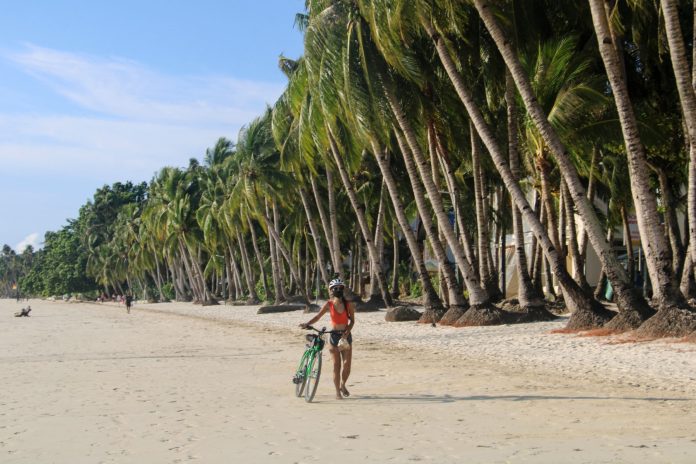
Boracay provides livelihoods to thousands of families and draws visitors from across the Philippines and abroad, the diocese said. Its development, however, should be measured not only by economic activity and revenues but also by its effects on “human life, family relationships, the poor and vulnerable, and the moral and social fabric of our communities.”
Citing the Catechism of the Catholic Church, the diocese said games of chance and wagers are not in themselves contrary to justice. Gambling becomes morally unacceptable, however, when it deprives people of what is necessary for their own needs or those of others.
The diocese also cited the Catechism’s warning that “the passion for gambling risks becoming an enslavement.”
It said money intended for food, children’s education, medicines, household expenses, savings or livelihood “should never be sacrificed to gambling or to the hope of easy money.”
It warned that gambling can lead to financial distress and debt, consume resources intended for basic family needs and contribute to conflict between spouses, broken relationships, neglect of children and other forms of social harm.
The diocese said the economic benefits a casino could bring should be weighed against what happens when family savings or money intended for food, education and medicine is lost to gambling.
“These are not merely economic questions. They are questions about human dignity, family life, and the common good,” the diocese said.
The diocese appealed to the provincial government of Aklan, the municipality of Malay and other government authorities and agencies to exercise their responsibilities with the welfare of the people as their foremost consideration.
“Economic development is important, but development must always remain at the service of the human person. Profit cannot be the sole measure of progress,” it said.
The diocese also appealed to Catholics not to allow the promise of easy money to weaken the values of honest work, responsible stewardship and family solidarity.
Parents were urged to protect resources entrusted to them for their children and to teach them that genuine success comes from perseverance, honest work, responsibility and God’s providence rather than chance.
For people already struggling with gambling, the diocese called for “compassion, truth, and concrete help” rather than condemnation. It said those who have become enslaved by gambling need the support of family and community, as well as appropriate professional assistance.
The diocese also urged particular attention to poor and vulnerable people “who may be particularly susceptible to the promise of quick financial gain.”
Its concern, the statement said, went beyond whether a casino was legally permitted and raised a broader question about the kind of community Boracay should build.
“Boracay does not need gambling and casinos to prosper,” the diocese said. “Its beauty, its culture, its hospitality, and its natural gifts are already treasures that can support a vibrant and sustainable tourism industry.”
The diocese called for tourism that serves people, economic development that strengthens families and businesses that contribute to the common good.
It reaffirmed its opposition to gambling and casino operations and its commitment to human dignity, family welfare and the common good.
“May our pursuit of development never make us forget the very people whom development is meant to serve,” the diocese said.