Cardinal Pablo Virgilio David of Kalookan has raised moral questions about the fairness of the Philippine tax system as the escalating conflict in the Middle East threatens to worsen economic pressures on Filipino families.
In a reflection linking the crisis to the country’s economic realities, the cardinal said the war could have immediate consequences for millions of Filipinos, particularly families dependent on remittances from Overseas Filipino Workers (OFWs).
“The war now unfolding in the Middle East is not just a distant geopolitical story,” David said. “For us Filipinos, it has immediate human consequences.”
He noted that hundreds of thousands of OFWs work across the region as caregivers, construction workers, domestic helpers, and seafarers supporting families back home.
“If the conflict widens, jobs may be disrupted, contracts may end abruptly, and remittances—the lifeline of many Filipino families and a major pillar of our national economy—may suddenly shrink,” he said.
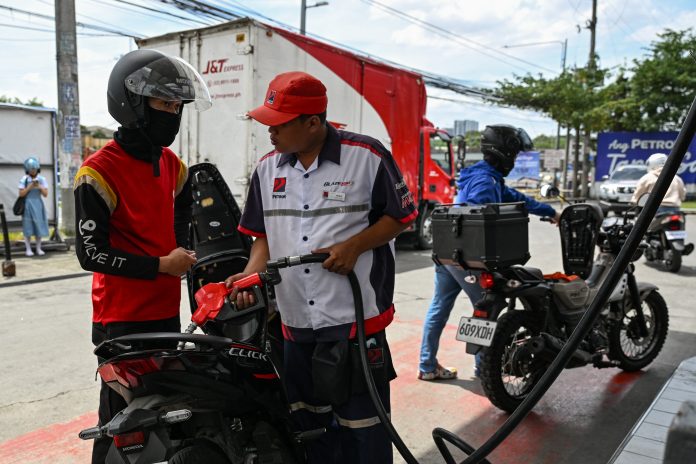
The prelate warned that rising global instability is already pushing up fuel and food prices that will affect daily life in the Philippines.
“At the same time, global tensions are already pushing fuel and food prices upward, which will inevitably be felt in transport costs, electricity bills, and the price of basic goods in our markets,” he said.
David urged Filipinos to examine whether fiscal policies promote justice and human dignity. “In moments like this, we must ask a deeper moral question: Does our overall tax system distribute burdens fairly and serve human dignity?” he said.
He warned that corruption undermines public trust in taxation. “But when vast public funds are lost to corruption, the moral foundation of taxation itself is shaken,” he said.
David also stressed that economic policies must protect vulnerable families. “A tax system must never end up disproportionately burdening those who have the least,” he said.