In a church-run evacuation center on the outskirts of the Philippine capital Manila, a box of crayons is helping flood-displaced children draw their way through trauma.
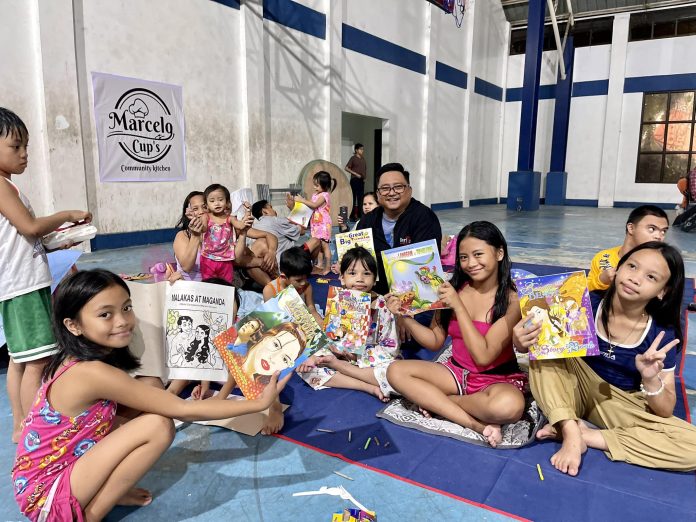
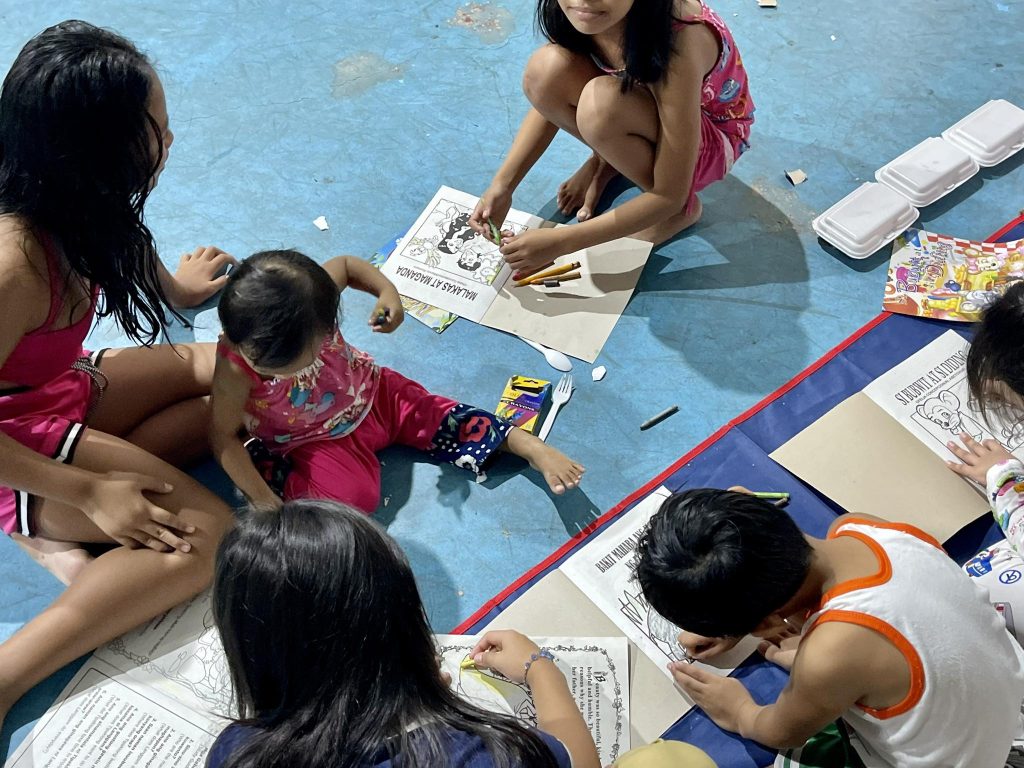
At the Vincentian Foundation’s emergency shelter in Bagong Silangan, Quezon City—one of the areas hardest hit by Severe Tropical Storm Crising and the intensified southwest monsoon—200 children received coloring books and art materials this week.
The simple act of drawing, according to relief workers, has become a form of psycho-emotional relief for children coping with prolonged displacement and anxiety.
“Coloring gives them something meaningful to do, instead of just wandering around the shelter,” said Fr. Geowen A. Porcincula, CM, executive director of the Vincentian Foundation.
“It’s a form of psycho-emotional therapy. We saw the kids interacting, expressing themselves, and smiling again. And it helps the parents too—knowing their children are occupied and less anxious,” the priest added.
Porcincula emphasized that while food, water, and clothing remain essential, mental health—especially for children—should not be sidelined in disaster response.
“An outlet to overcome the state of fear and anxiety is also vital for the children, who are most vulnerable to the impacts of the climate crisis,” he said.
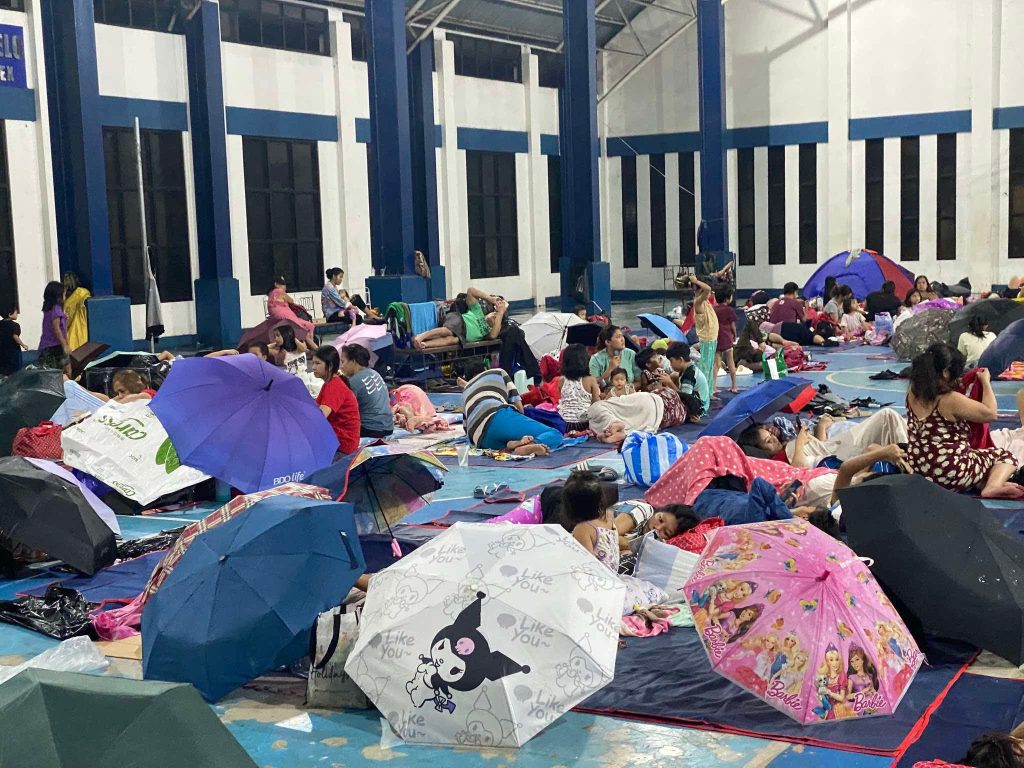
The Foundation has served 700 individuals and distributed nearly 5,000 food packs since floodwaters forced hundreds to seek refuge in the covered court and multipurpose hall of its bamboo housing community.
However, urgent needs remain. It is now appealing for hygiene kits, diapers, and medical supplies to address rising health needs in the shelter.
Creating routine amidst crisis
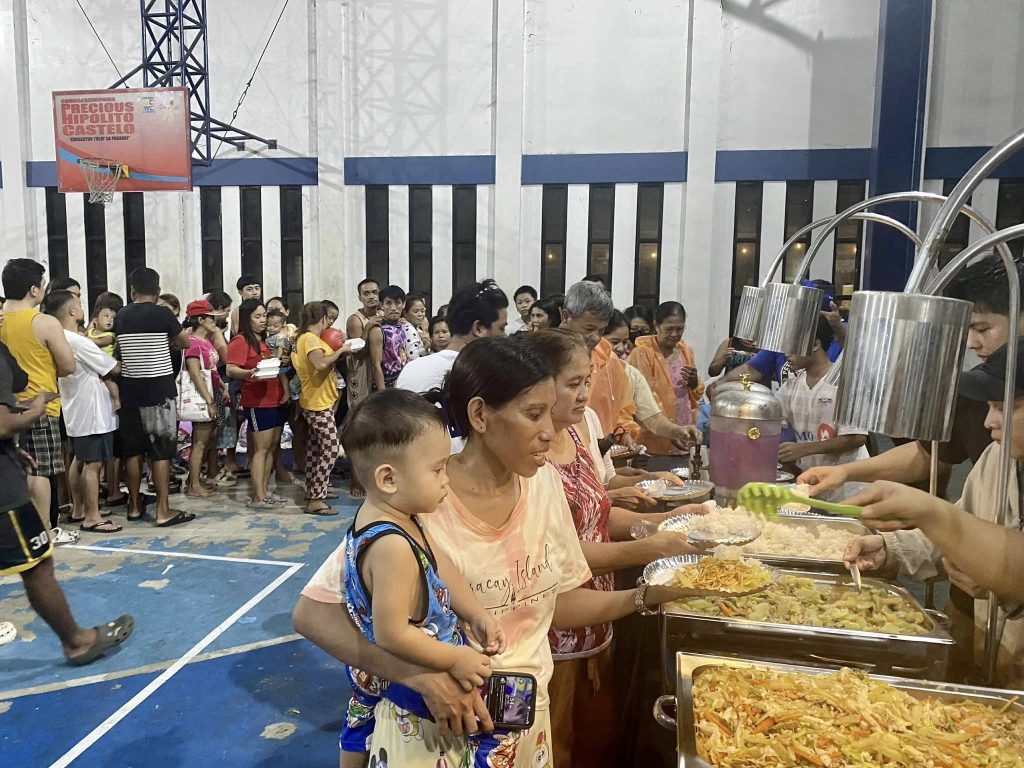
Inside the evacuation center, days are structured to bring a sense of normalcy to children and their families. Morning hours begin with basic routines: cleaning assigned areas, collecting relief goods, and queuing for meals provided by community kitchens such as Marcelo Cups, Enteng Food Hub merchants, and volunteer partners.
Enteng Food Hub, a social enterprise initiative of the Vincentian Foundation built with support from Base Bahay Foundation, provides livelihood opportunities for persons with disabilities and small-scale vendors from urban poor communities. Of its six partner-beneficiaries, two are PWDs and the rest are informal sellers striving to rebuild their livelihoods.
In the afternoons, children gather in small groups on the gymnasium floor—some on mats provided by local authorities, others simply seated on flattened cardboard boxes—to participate in activities such as the coloring sessions. Older children help guide younger ones, creating a peer-supported atmosphere that eases anxiety and reduces restlessness.
The activities are informal but purposeful. Fr. Porcincula said the aid volunteers “encourage quiet time, focus, and creative freedom. It helps the children reset emotionally.”
Volunteers and community members—including the Kawayan Community—rotate shifts to help with logistics and basic facilitation, while parents are encouraged to stay nearby or join in.
The goal, Fr. Porcincula noted, is not just to distract, but to restore rhythm, interaction, and dignity in the midst of displacement.
Beyond the Shelter
While the daily art activities inside the evacuation center offer much-needed relief, their impact is inherently limited by time, space, and resources.
The intervention, Fr. Porcincula emphasized, is designed only for the duration of the displacement. “We can help the children while they’re here, but once they return to their flood-stricken homes, that support often disappears,” he said.
The lack of sustained psychosocial care is a gap that needs to be addressed by both government and institutional actors. Without follow-up programs in schools, communities, or barangay health centers, children may carry the trauma long after the floodwaters recede.
The Foundation is calling on local government units, child protection agencies, and mental health professionals to integrate long-term, trauma-informed care into post-disaster recovery plans.
This includes access to counseling, safe spaces for play and reflection, and the inclusion of psychosocial support in community or school reintegration programs.
“We can’t treat this as a one-time activity,” Fr. Porcincula said. “Children need continuing care, not just during a crisis, but after—when the silence and uncertainty begin to settle in.”
Toward a scalable model
The Foundation’s intervention offers more than immediate relief—it provides a simple, replicable framework for child-focused disaster response that faith-based groups, local government units, and humanitarian agencies can adopt.
What sets this initiative apart is its grounding in the everyday realities of evacuation life, and its ability to restore structure through accessible tools like coloring books and crayons.
It also draws strength from local networks—volunteers, parents, and partner groups—who sustain the routine with minimal outside intervention.
Fr. Porcincula believes this model can be expanded and formalized as part of future emergency preparedness plans.
“We should have child-centered protocols in place before the next typhoon comes,” he said. “Simple interventions like this can be pre-positioned—art kits, trained facilitators, designated spaces—so that wherever families evacuate, children have support waiting.”
Experts and child advocates echo the call for institutionalizing psychosocial support as a core element of emergency response. As the climate crisis worsens, displacement will become more frequent.
This means responses must evolve—moving beyond temporary relief to include the emotional and developmental needs of children, both during and after emergencies.
A nation submerged
The relief initiative comes as the Philippines faces compounding climate emergencies.
More than 800,000 people have been displaced in recent weeks due to consecutive storm systems—including Severe Tropical Storm Crising (international name Wipha), Tropical Depression Dante (international name Francisco), and newly formed Typhoon Emong (international name Co‑may)—highlighting the growing toll of climate‑induced disasters in the archipelago.
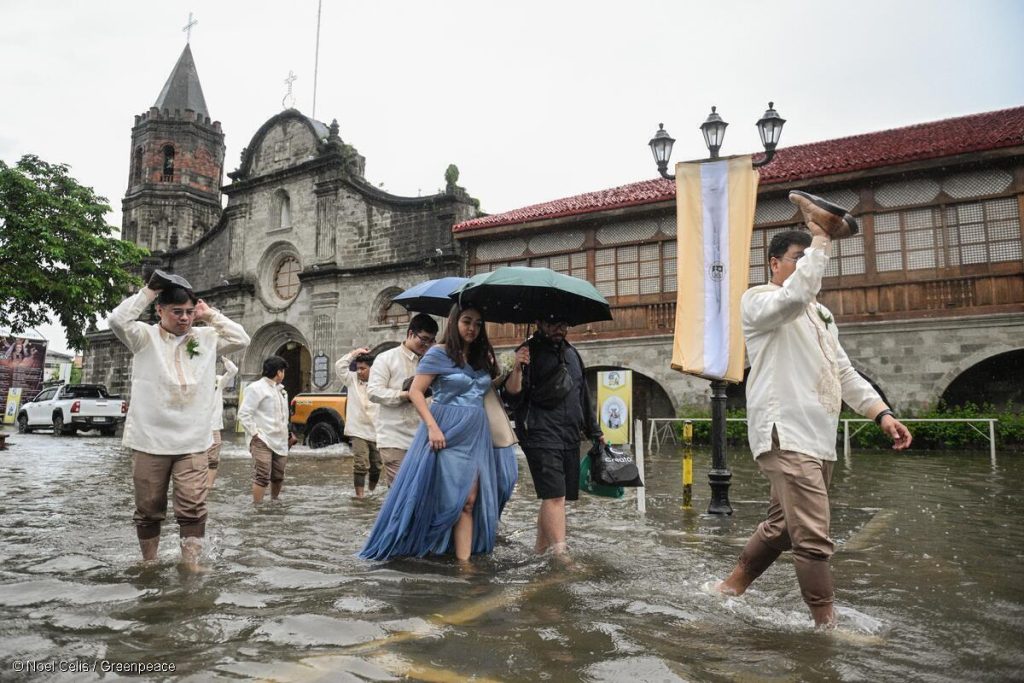
Climate advocates say these recurrent floods are not merely acts of nature, but consequences of systemic failure and policy neglect.
Aksyon Klima Pilipinas raised concerns that despite government claims about flood control efforts, communities remain unprotected.
The group pointed out that recurring floods continue to reveal deep-seated systemic problems, underscoring the persistent vulnerabilities faced by Filipinos.
The Philippine Movement for Climate Justice (PMCJ) urged President Ferdinand Marcos Jr. to move beyond short-term, reactive responses and declare both a national calamity and a climate emergency.
Citing over one million affected and at least 12 dead as of July 23, the group said the crisis reflects not just climate vulnerability but also government inaction.
It warned against relying on routine cleanups and loan programs while long-term solutions remain unfunded—pointing to the president’s veto of PHP16.7 billion in flood control projects in the 2025 budget.
Climate justice, not just relief
Greenpeace Philippines also echoed the call for decisive leadership ahead of Marcos’ State of the Nation Address. In protest actions across Metro Manila, activists placed a cardboard cutout of the president in floodwaters, declaring: “This is the State of the Nation.”
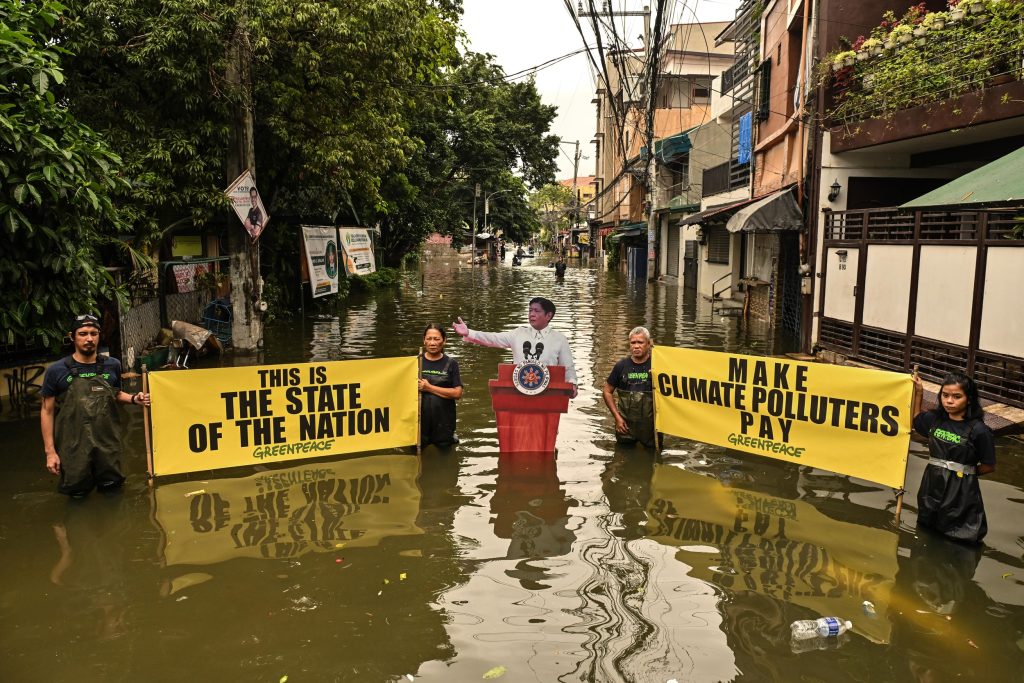
“While Filipinos wade through floodwaters, President Marcos is abroad,” said Greenpeace campaigner Virginia Benosa-Llorin. “We need him to come home to the true state of the nation: one where communities pay the price for a crisis they didn’t cause.”
Advocates are now calling for the passage of the Climate Accountability (CLIMA) Bill, which would hold polluters liable and create a national fund for loss and damage.
On Wednesday, the International Court of Justice ruled that states have binding legal obligations under international law to prevent climate harm.
It affirmed that failure to regulate emissions or support polluting activities may constitute internationally wrongful acts, reinforcing states’ duties to act with due diligence and protect human rights.
Drawing dignity
In the meantime, children in Bagong Silangan continue to draw. Inside a crowded gymnasium, what began as a simple donation has grown into a daily routine that restores structure and a sense of normalcy amid uncertainty.
For many, a coloring book is more than a distraction—it is a quiet assertion of hope, dignity, and the right to be safe, even in a time of crisis.