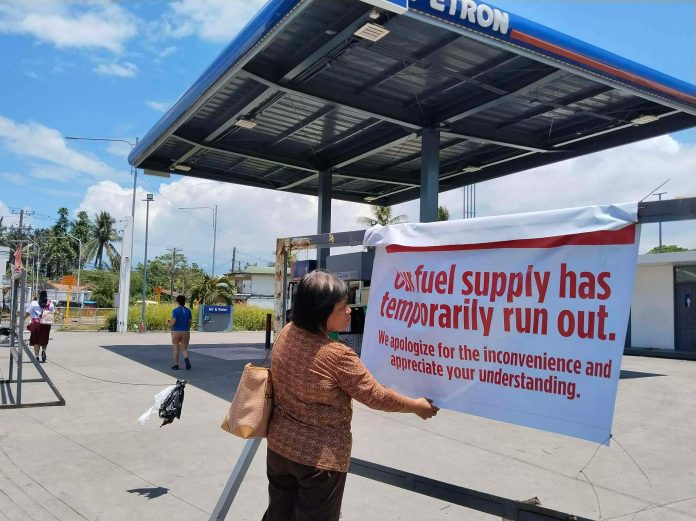
Rising fuel prices are driving workers, farmers, fisherfolk, and commuters across the Philippines into deeper hardship, cutting incomes, raising production costs, and straining access to food and transport.
The surge in oil prices is rippling across the economy, shrinking daily earnings, increasing debt, and disrupting livelihoods in sectors that form the backbone of the country’s food and transport systems.
Transport workers are among the hardest hit. Data from transport group PISTON show that diesel prices nearing ₱150 per liter have sharply increased operating costs, with traditional jeepney drivers consuming around 30 liters of fuel daily and spending more than ₱3,000 a day.
After working up to 15 to 18 hours, drivers take home only about ₱200 to ₱300, far below the estimated ₱1,200 daily family living wage.
Estimates cited by IBON Foundation indicate that around 250,000 jeepney drivers and operators are affected, with many pushed deeper into poverty as rising fuel costs translate into reduced income and skipped meals.
Delivery riders are also facing declining earnings. Data from Kapatiran ng mga Riders para sa Karapatan (Kariders) show average daily incomes at around ₱470 after deductions, while work conditions remain precarious due to long hours, road risks, and lack of social protection.
Labor NGO Ecumenical Institute for Labor Education and Research (EILER) has raised concerns over employment arrangements that classify riders as independent contractors, leaving them without benefits and vulnerable to debt through company-linked loan schemes.
In the agriculture sector, rising fuel and fertilizer costs are driving up production expenses while reducing output. The Artista Alliance for Peasant Rights reported that fuel remains essential in operating tractors, irrigation systems, and transporting harvests, while fertilizer prices, particularly urea, have reached about ₱2,400 per bag.
The group said many farmers are borrowing more to sustain production, with some forced to sell palay at a loss, as low as ₱10 to ₱15 per kilogram, to pay off debts.
The Kilusang Magbubukid ng Pilipinas (KMP) also reported that farmers have been forced to cut irrigation cycles as the cost of running pumps has doubled, further affecting crop yields.
The Philippines’ reliance on imported fertilizers, particularly from the Middle East, has further aggravated the situation, with global tensions pushing prices higher and making food production more difficult.
Fisherfolk are also affected as fuel costs for daily fishing operations continue to rise. Data from Pamalakaya show that fisherfolk in some areas consume about 20 liters of fuel per day, with total daily expenses now averaging around ₱2,040, nearly double previous levels.
Average daily income has dropped to about ₱309.75, forcing many to reduce fishing trips and affecting overall fish production.
The group said reduced fishing activity threatens both livelihoods and the country’s food supply.
Commuters are also bearing the impact. Reports cited by sectoral groups indicate longer waiting times, overcrowded vehicles, and rising transport costs as fewer drivers operate routes due to high fuel expenses. Increased reliance on public transport has also contributed to heavier congestion.
The Council for Peoples Development and Governance said the combined effects of rising fuel prices across transport, agriculture, fisheries, and daily mobility point to a cascading crisis that is eroding incomes while threatening food production and access.
It called for the removal of value-added tax and excise tax on oil, subsidies for small producers, the legislating of a ₱1,200 family living wage, the repeal of the Oil Deregulation Law, and the development of local fuel production and alternative energy sources.