Catholic leaders across Asia warned in their Easter messages that the abuse of power and moral failure are driving wars and deepening economic hardship, as they called on the faithful to pursue peace through justice, truth, and lived faith.
From Singapore and Malaysia to Japan and the Philippines, the cardinals pointed to a shared root of today’s crises: power used for domination rather than service, leaving the poor and vulnerable to bear the cost.
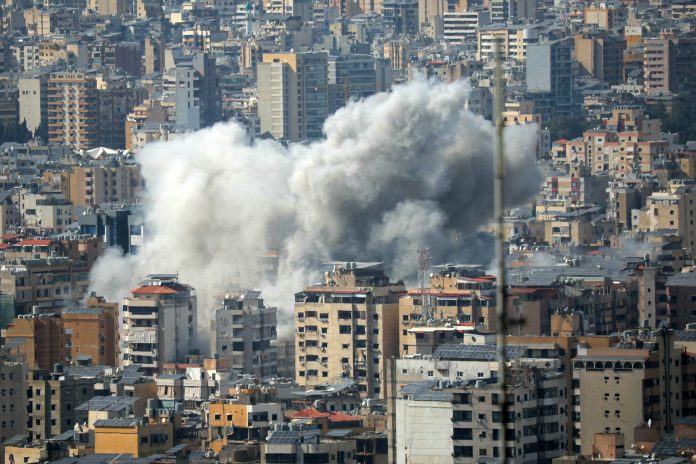
“What is the cause of all these wars? At the root is greed – for power, land, and economic advantage,” said Cardinal William Goh of Singapore.
The prelate noted how conflict now spills beyond battlefields into daily life through “high inflation” and “economic hardships.”
He said reliance on force — “using economic, military, and technological power rather than the rule of law” — has made the world increasingly unsafe.
“Those in war-torn countries, especially the most vulnerable, suffer grave injustice, injury, displacement, and death,” he added.
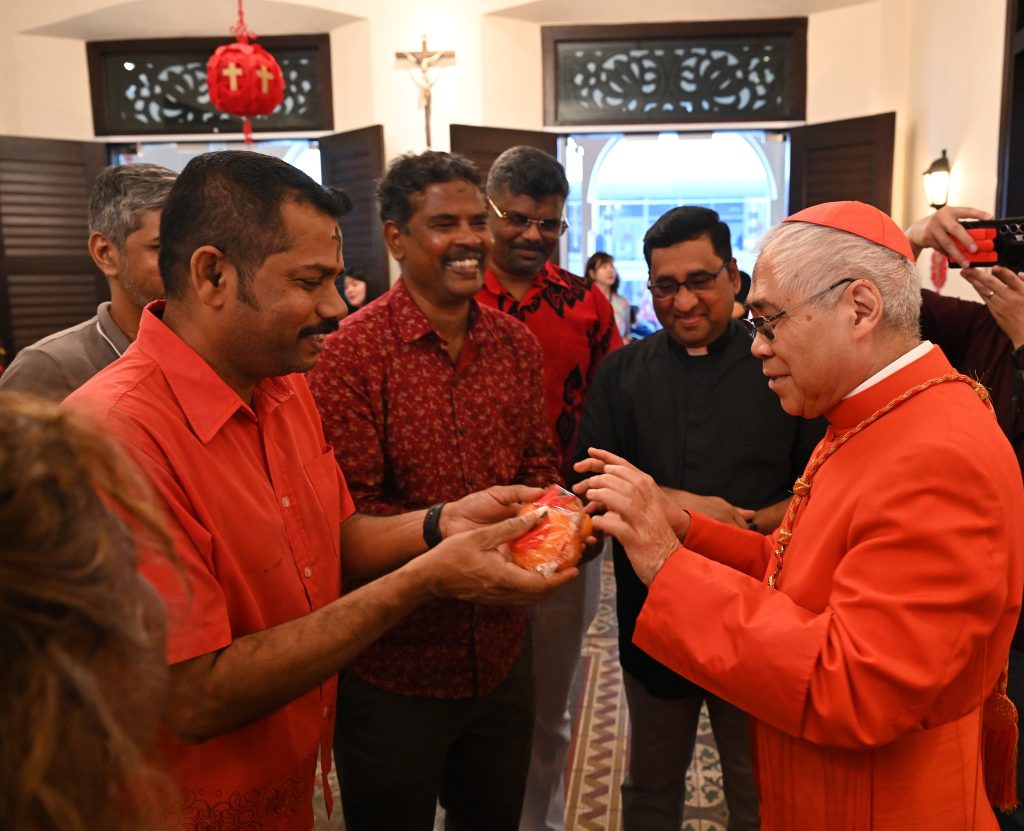
In Malaysia, Cardinal Sebastian Francis said the problem lies not only in war itself but in how power is exercised.
“Wars are often the result of power, or more precisely, the abuse of power,” he said, describing it as “superiority, dominance, conquest, manipulation, and the pursuit of control” that “continue to fracture our world.”
He added that the same dynamics appear beyond geopolitics, warning that “when power becomes the goal, peace becomes the casualty.”
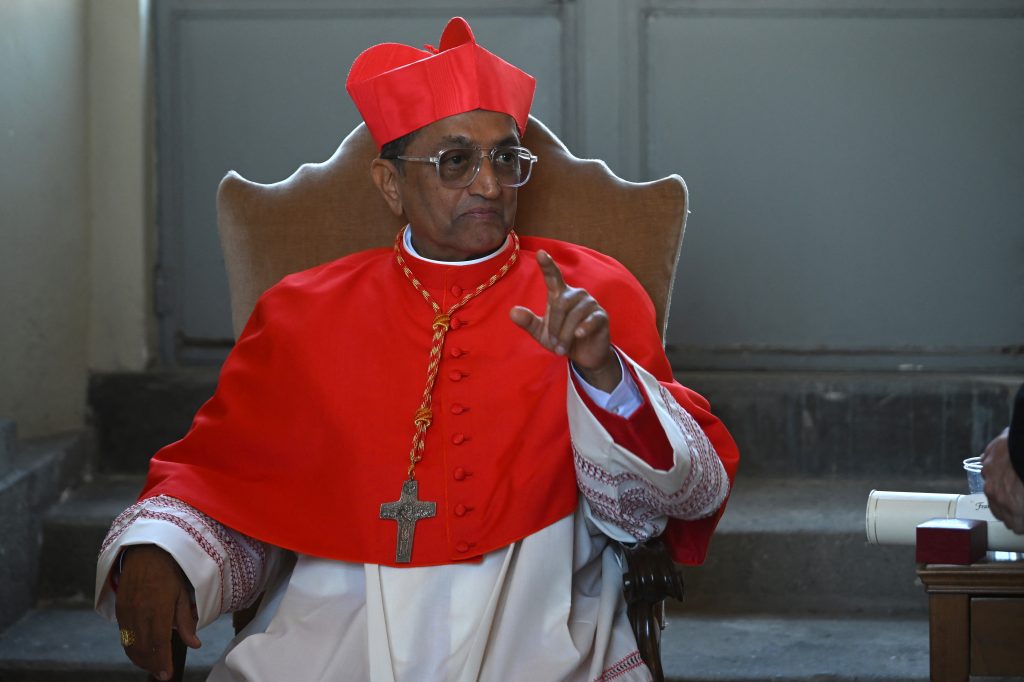
In Japan, Cardinal Isao Kikuchi pointed to a deeper erosion of truth and conviction amid ongoing violence.
“We live in an age where superficial words fly around, not only online but also in the real world,” he said, cautioning that such words lack depth and fail to sustain hope as conflicts persist.
“Violence against life, a gift from God, breeds despair and robs people of the hope of living,” he added.
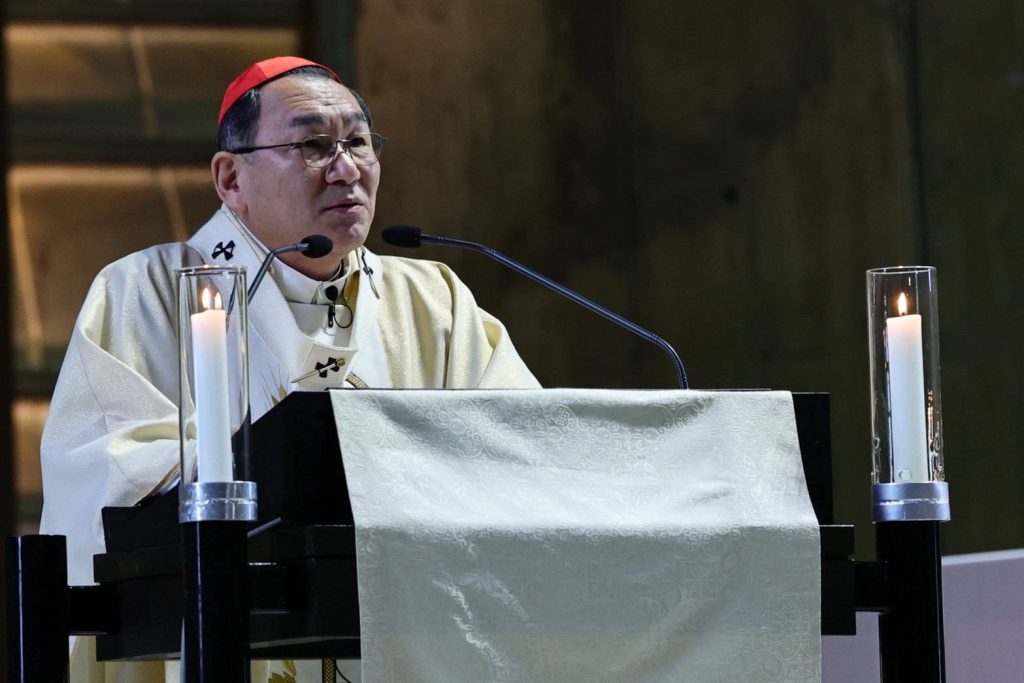
In Manila, Cardinal Jose Advincula underscored the human cost of war, saying global conflict “has brought immense suffering to all of us – from inflation and economic hardship to severe mental and emotional anguish, not to mention the tragic loss of countless lives.”
He urged the faithful to reject “the ‘globalization of indifference’ and the normalization of genocide,” and called for “accountability” and “the relentless pursuit of justice in public governance.”
Across the region, the cardinals pointed to Easter as a call to a different way of living.
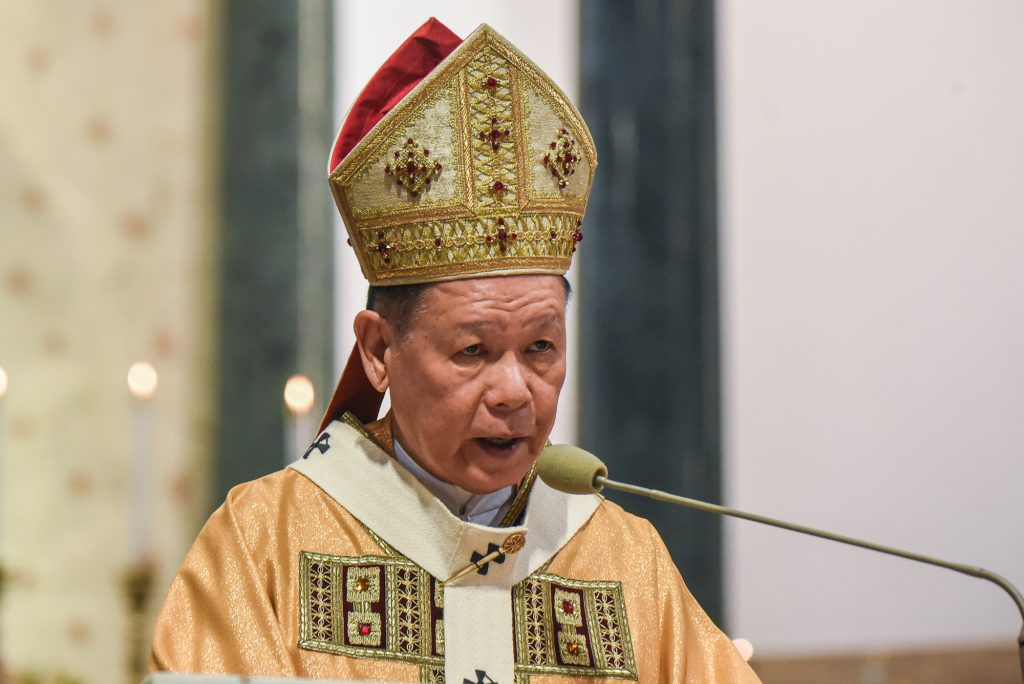
“Christ’s resurrection is the Father’s seal of approval that the way to peace is through non-violence and selflessness,” Goh said.
He insisted that “love is more powerful than hate, and life is more powerful than death.”
“The truth is that war cannot produce peace; only dialogue, mutual understanding, and inclusivity can,” he added.
Francis urged Christians to make peace a daily choice: “In a world driven by the pursuit of power, may we have the courage to choose peace… In times of division, may we choose the path of unity.”
“Let us be bearers of peace — active witnesses to the Risen Lord in all that we do,” he said.
Kikuchi, meanwhile, called for witness grounded in conviction. “Words backed by deep thought and real-world experience have power,” he said, urging believers to uphold the dignity of life.
Advincula said Easter must lead to action, describing the Resurrection as “a call to resistance – to push back against the forces that ruthlessly seek to bury our joy and our future.”
Across Asia, the messages carry a common warning: peace will not come from power or force, but from justice, truth, and lives shaped by self-giving love.