
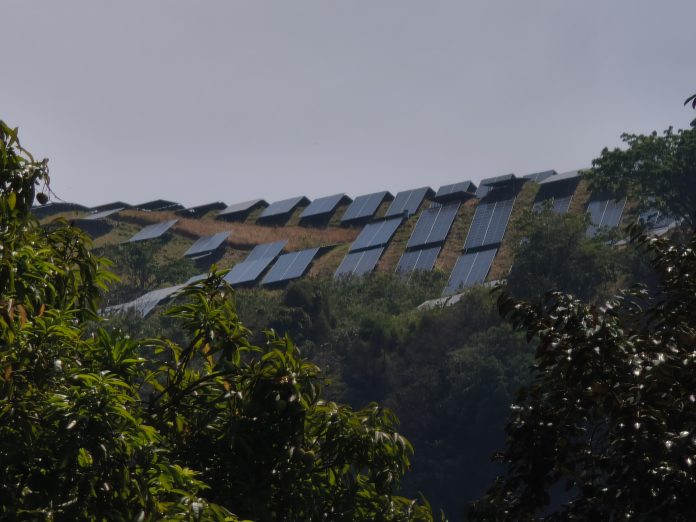
Indigenous Peoples’ groups have accused an Aboitiz-owned solar power project in Zambales of violating the rights of Ayta communities and causing environmental impacts, following an investigation conducted in areas affected by the development.
From May 28 to 30, KATRIBU, Pamilalamu, AGHAM, and several Indigenous and advocacy organizations carried out an Environmental Investigation Mission to assess the impacts of the Olongapo Solar Power Project owned by Aboitiz Renewables Inc.
The mission’s initial findings pointed to alleged “blatant violations” of the Free, Prior, and Informed Consent process.
According to residents interviewed during the mission, no genuine consent was secured from affected Ayta communities. They said consultations were limited to selected leaders and individuals in positions of authority, while much of the community was excluded from the decision-making process.
Community members also told investigators that the project was not adequately explained to them and that its potential impacts were not fully disclosed. They said it was presented primarily as a development initiative that would bring benefits.
The groups said the project encroaches on the ancestral lands of the Ayta Amianan and Ayta Ambala communities and affects Mt. Balimpuyo and the Sta. Rita River, an important water source for surrounding communities.
Investigators also documented reports of coercion, deception, and pressure on Ayta families to sell portions of their ancestral lands. The findings said many Indigenous workers hired for the project were later terminated after only one to two months.
The mission further reported that Ayta farmers now spend three hours traversing steep mountain trails to bring crops to market, compared with about an hour before the project.
Residents also reported hotter temperatures, shrinking rivers, dried-up natural springs and increasingly dry agricultural lands.
“Renewable energy is crucial in the transition away from fossil fuels and in addressing the climate crisis. However, this transition should not come at the expense of Indigenous Peoples’ rights, ancestral lands, and environmental integrity,” the groups said.