
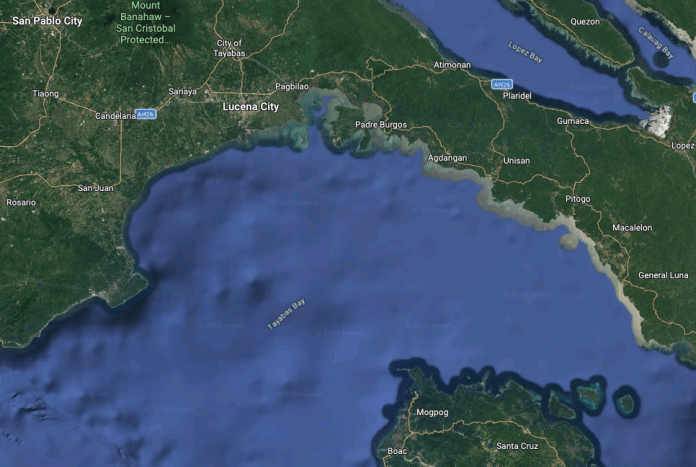
Environmental and fisherfolk groups in Quezon province called for a comprehensive investigation into recurring fish kill incidents in Tayabas Bay, urging authorities to examine possible industrial pollution and the impact of nearby coal-fired power plants on marine ecosystems and coastal communities.
The call came after dead fish were reported floating in portions of Tayabas Bay in Padre Burgos town on May 15, prompting the Bureau of Fisheries and Aquatic Resources to conduct water sampling and laboratory tests to determine the cause of the incident.
In a statement issued Wednesday, the coalition Quezon for Environment (QUEEN) warned that the fish kill reflects the “worsening vulnerability” of Tayabas Bay amid increasing pollution and industrial pressure.
The group said fish kills in the area have occurred multiple times in recent years.
Environmental studies have linked such incidents to depleted dissolved oxygen levels caused by pollutants, organic waste, algal blooms, and rising temperatures, conditions that can trigger mass fish deaths and damage marine ecosystems and local food supply.
QUEEN said authorities should investigate all possible contributing factors, including fish cages, illegal fishing methods, industrial pollution, and thermal discharges from coal-fired power plants operating within the bay.
“Karapatan ng mga mangingisda na malaman kung ano ang lumalason sa katubigang hindi lamang pamilya nila ang pinapalamon, kung hindi ang mga pamilyang kumukunsumo ng yaman ng dagat,” said Angelito Lareta, a Quezon fisherfolk advocate.
The coalition pointed to the coal plants in Pagbilao, located a few kilometers from the affected waters and sharing the marine ecosystem of Tayabas Bay with fishing communities.
According to the statement, coal plants use massive volumes of seawater for cooling operations and may release heated wastewater, chemical residues, heavy metals, and other pollutants that could affect marine biodiversity, oxygen balance, and fish habitats.
The group also warned against continued fossil fuel expansion in Quezon province, particularly the proposed 1,200-megawatt Atimonan coal-fired power plant of Meralco in neighboring Lamon Bay.
“There is no monopoly in the cause of marine contamination. Coal plants have always been a multiple threat carrier–from the ecosystem and human health, elemental pollution, to higher prices of electricity,” said QUEEN convenor Fr. Warren Puno.
Fisherfolk groups in Atimonan also appealed to provincial authorities to tighten regulations on polluting facilities and block new coal projects.
“Malaki ang maitutulong ng gumugulong na Coal Regulatory Ordinance sa probinsya upang higpitan ang pamumulis sa mga plantang nakalalason sa hangin at tubig at ipagbawal ang mga panibagong proyekto. Pero mas magiging taimtim at tunay ang hangarin ng ordinansang ito kung walang exemption na ibibigay sa Atimonan coal plant na bagama’t higit sampung taon nang naipanukala, wala pa ring pormal na operasyon at dokumentasyon,” said Ramon Grimaldo, president of Sagip Karagatan.
The coalition, together with church and community groups, recently urged the provincial government to require an updated Environmental Impact Assessment for the Atimonan coal project, saying the original study was conducted more than 11 years ago and no longer reflects current environmental and climate conditions in the province.