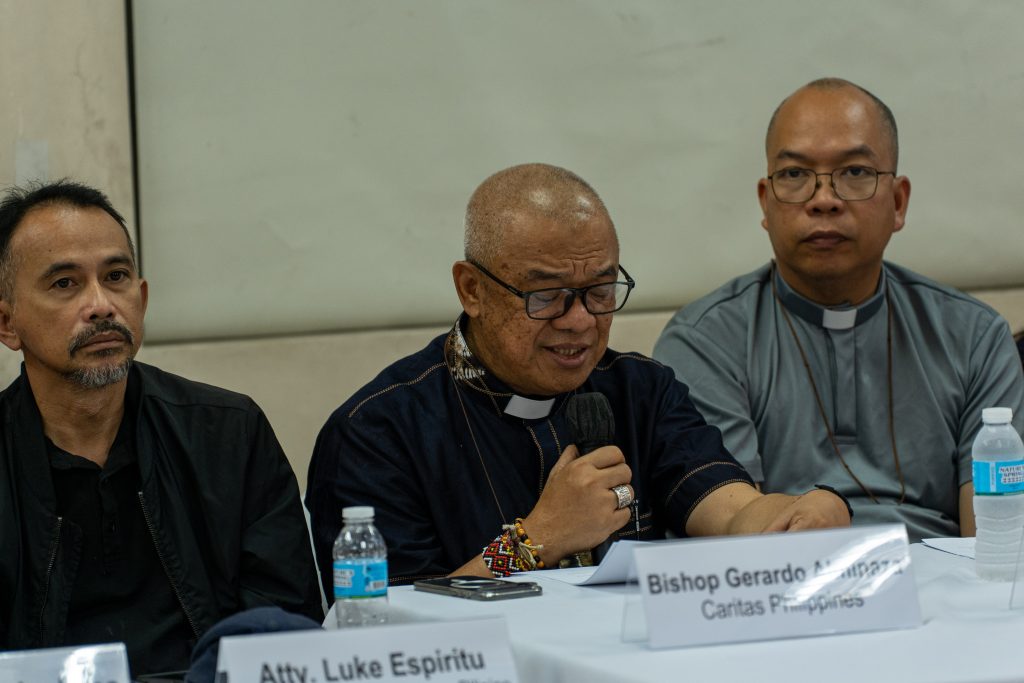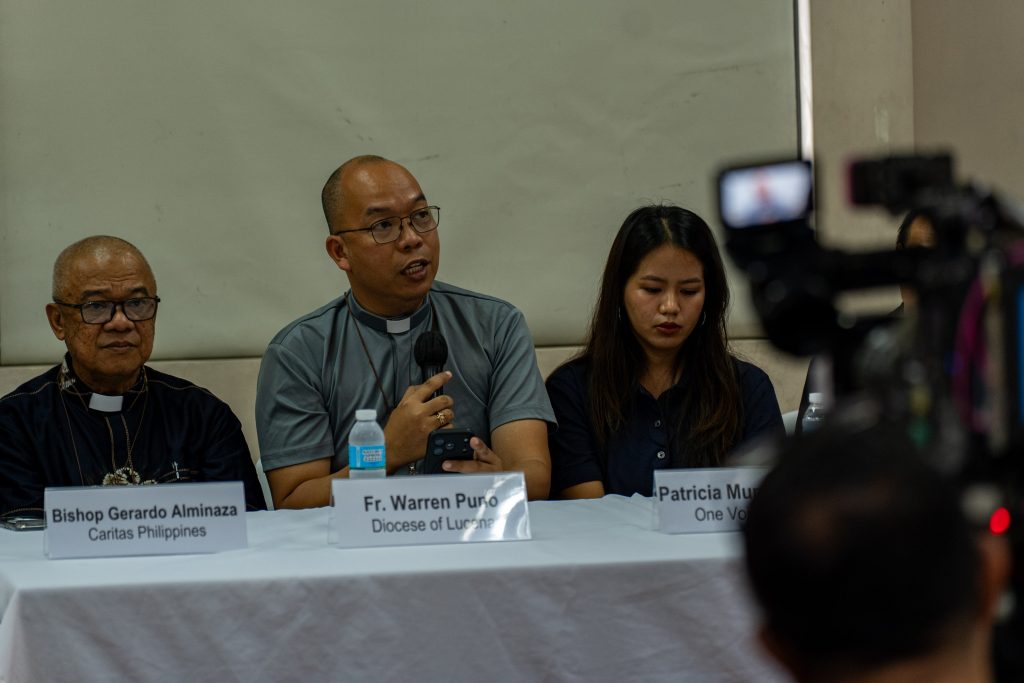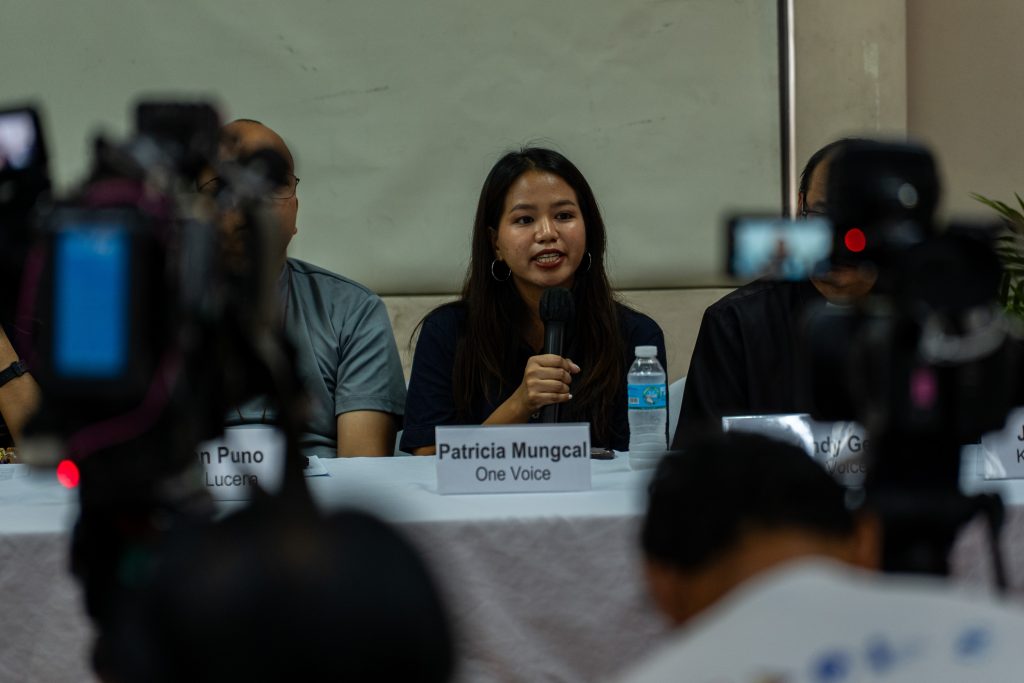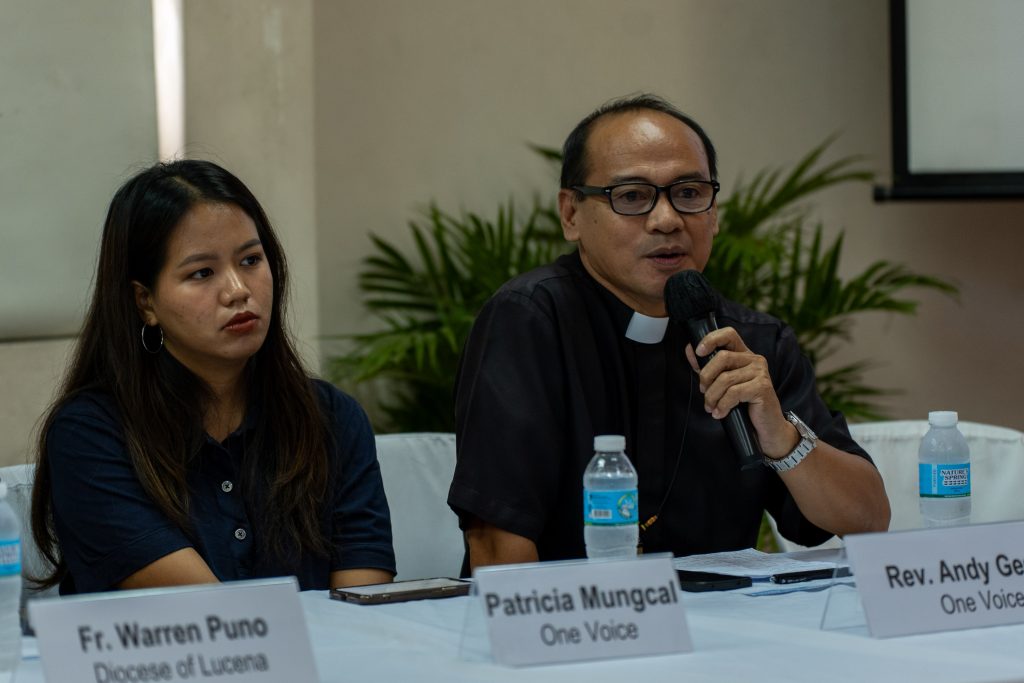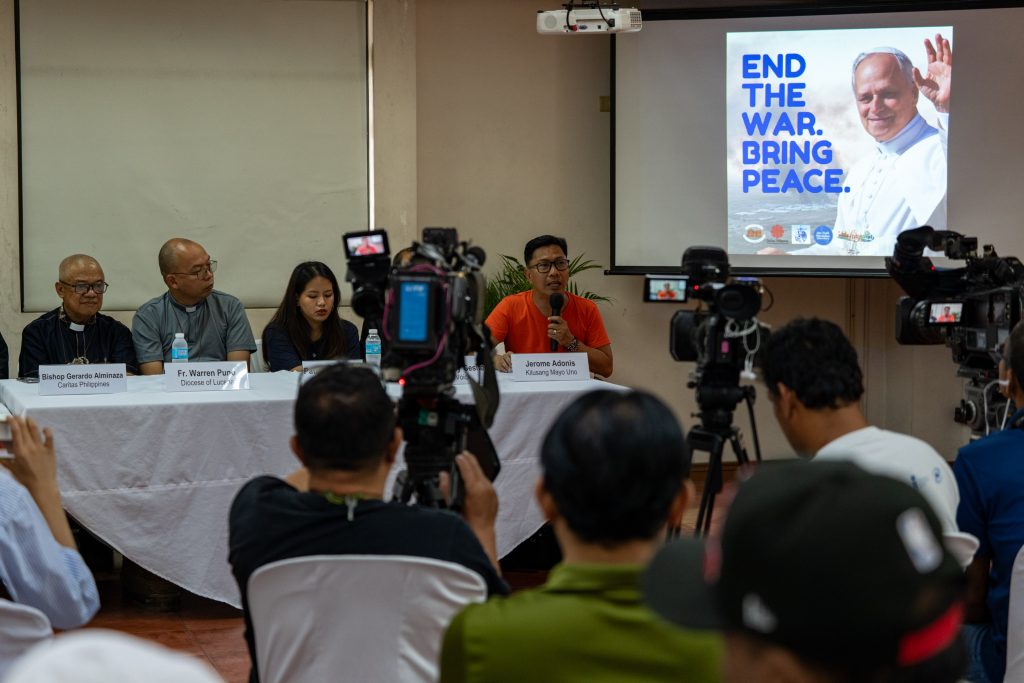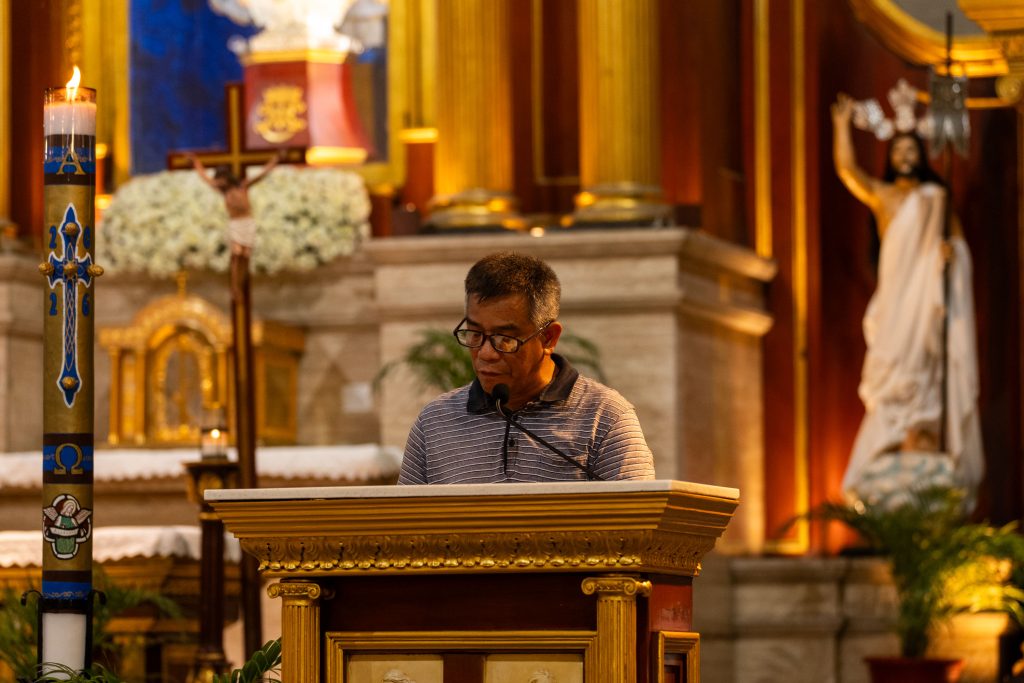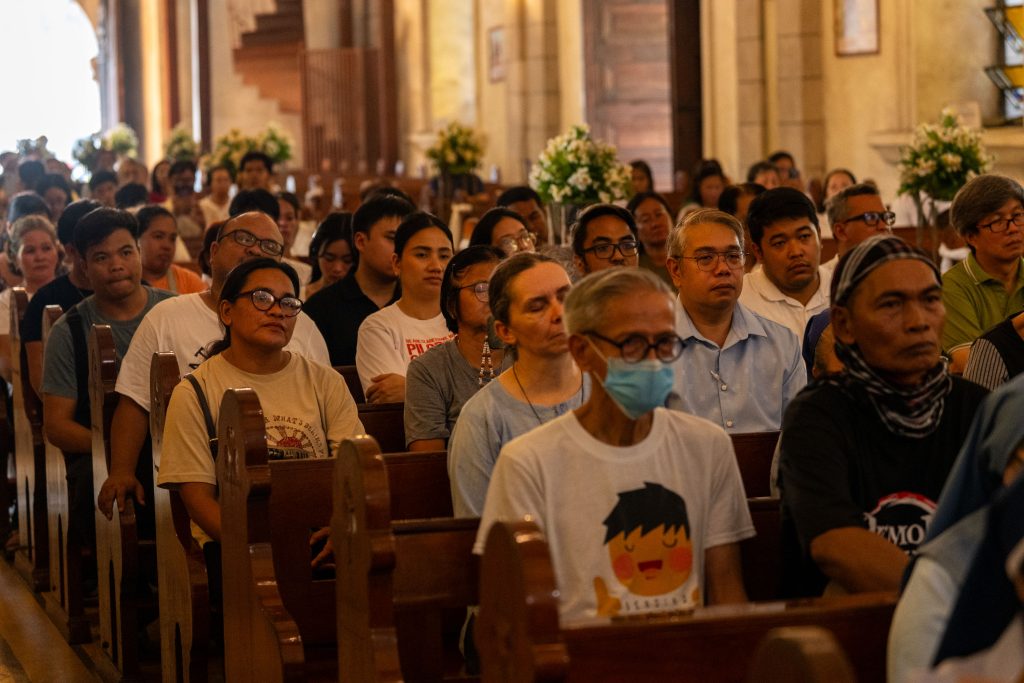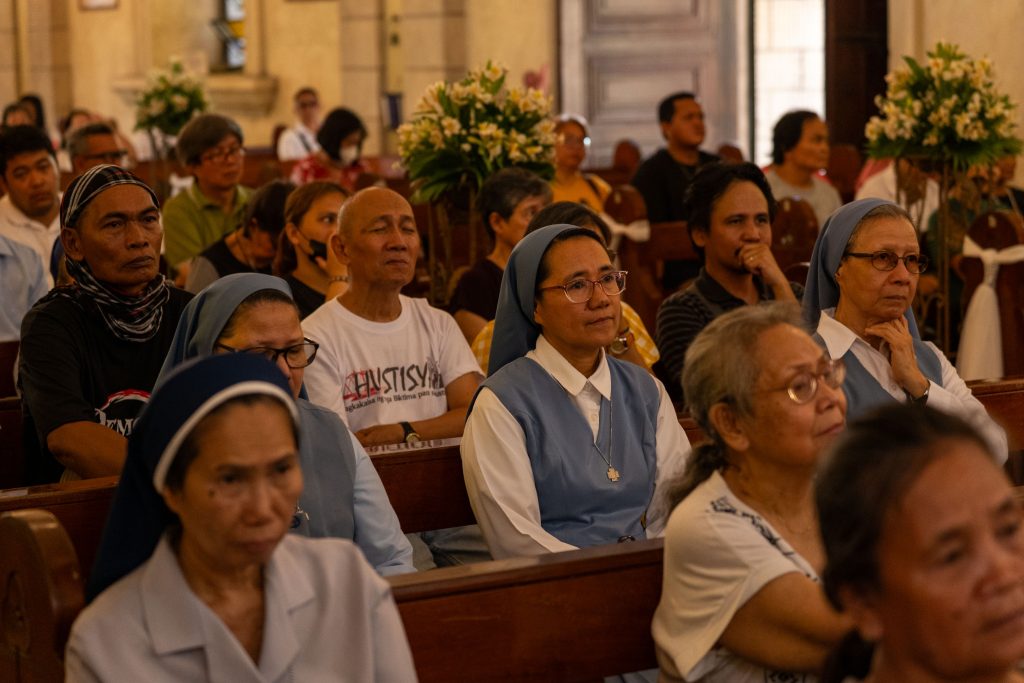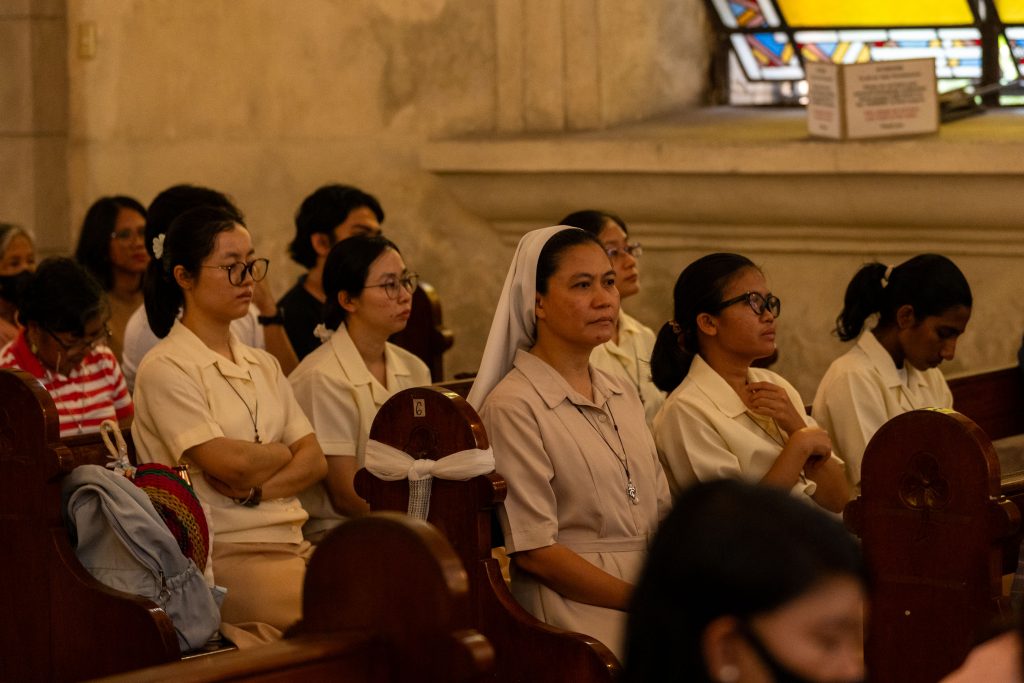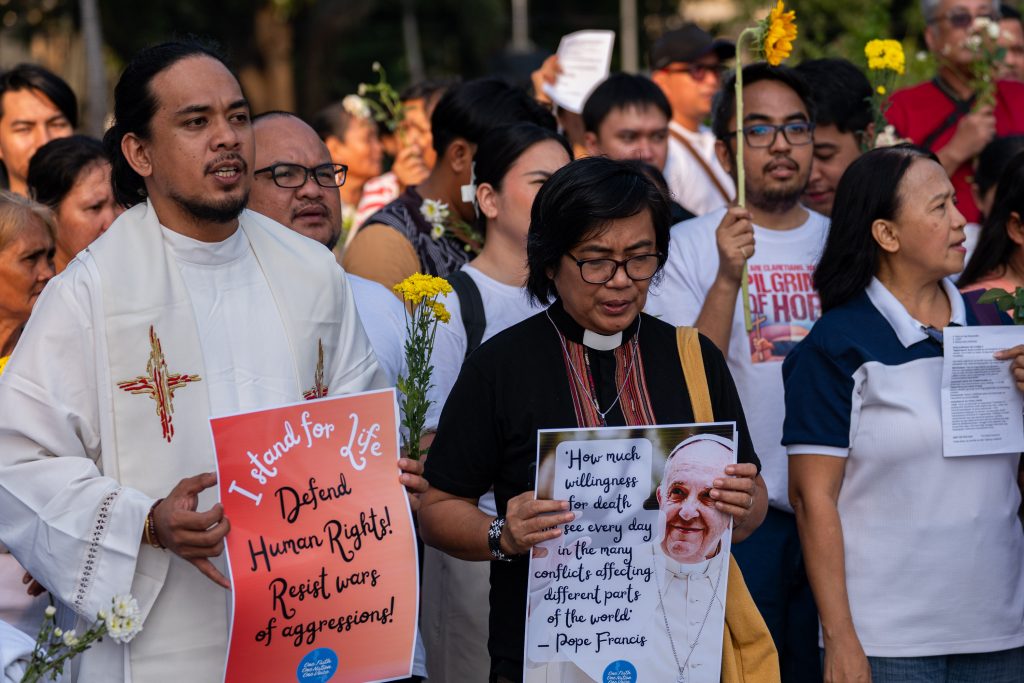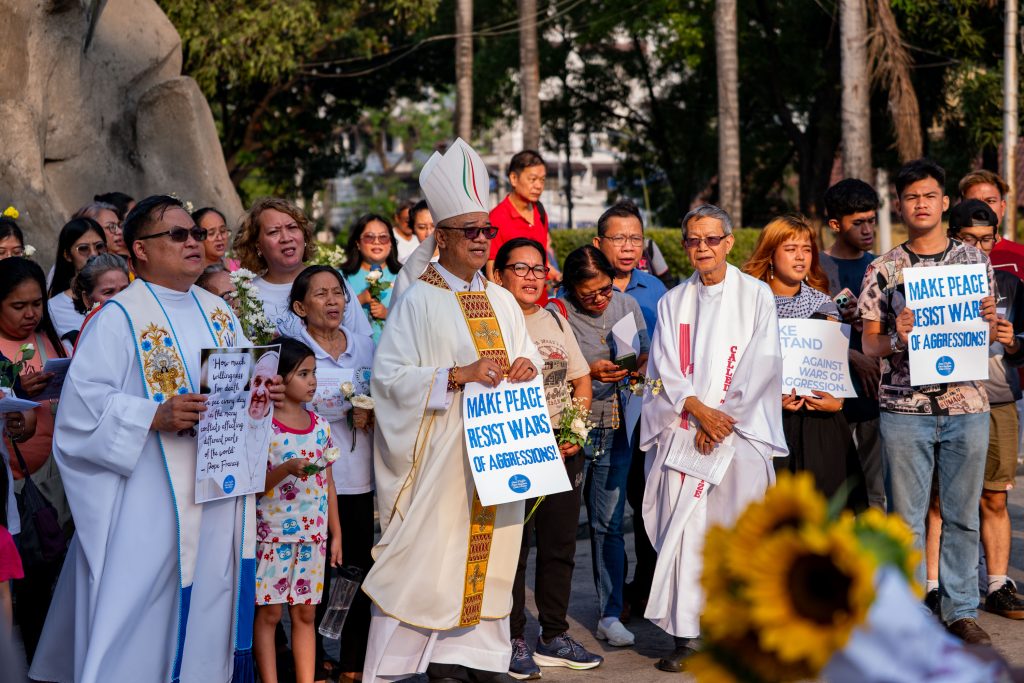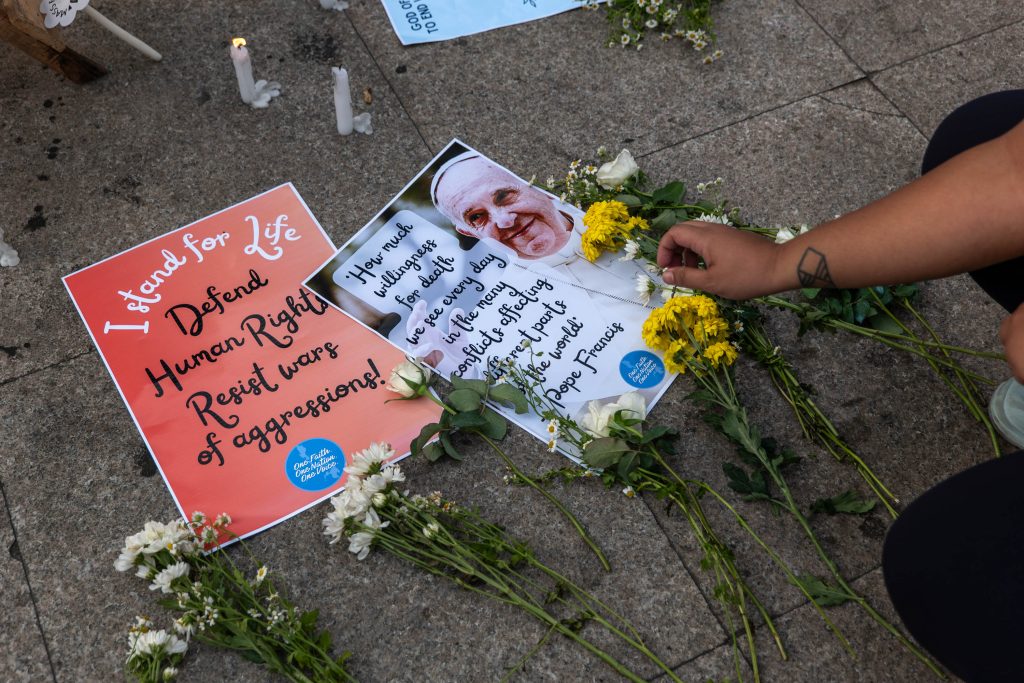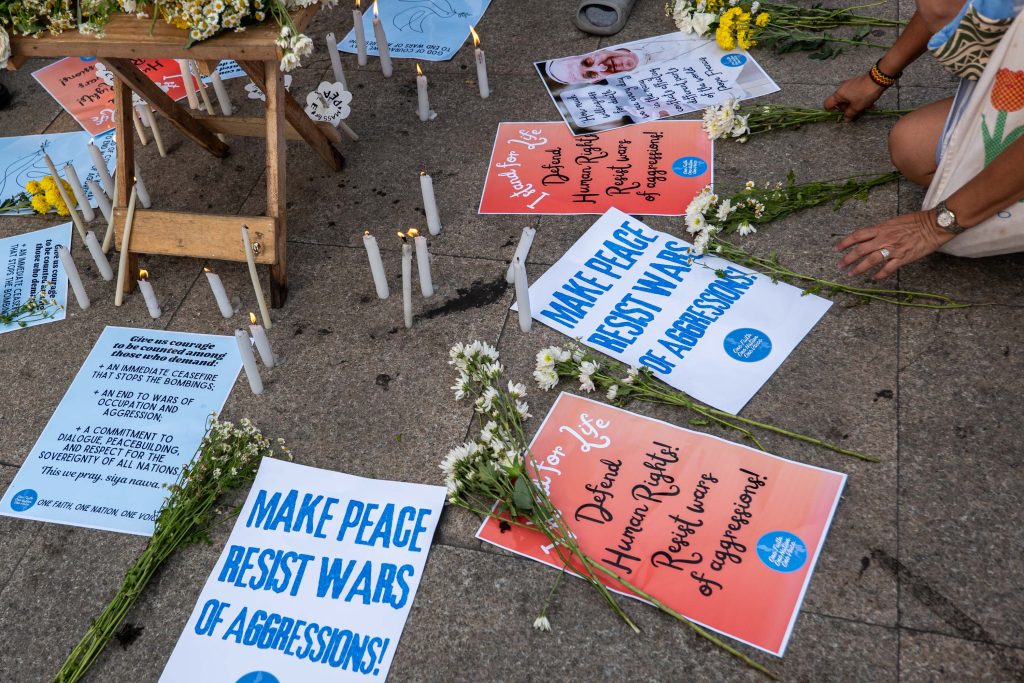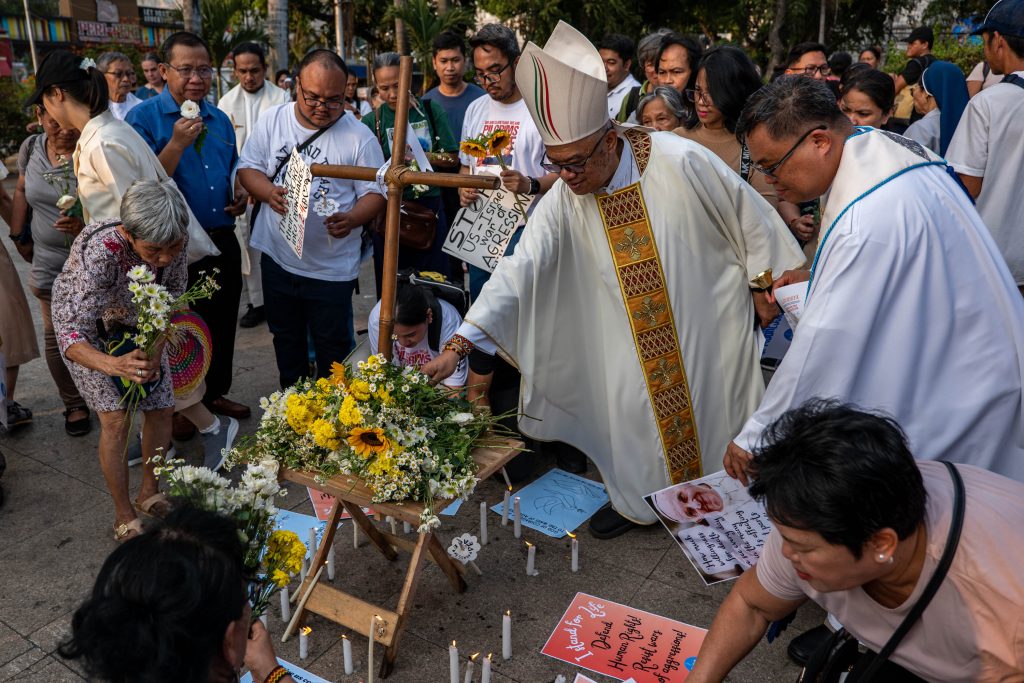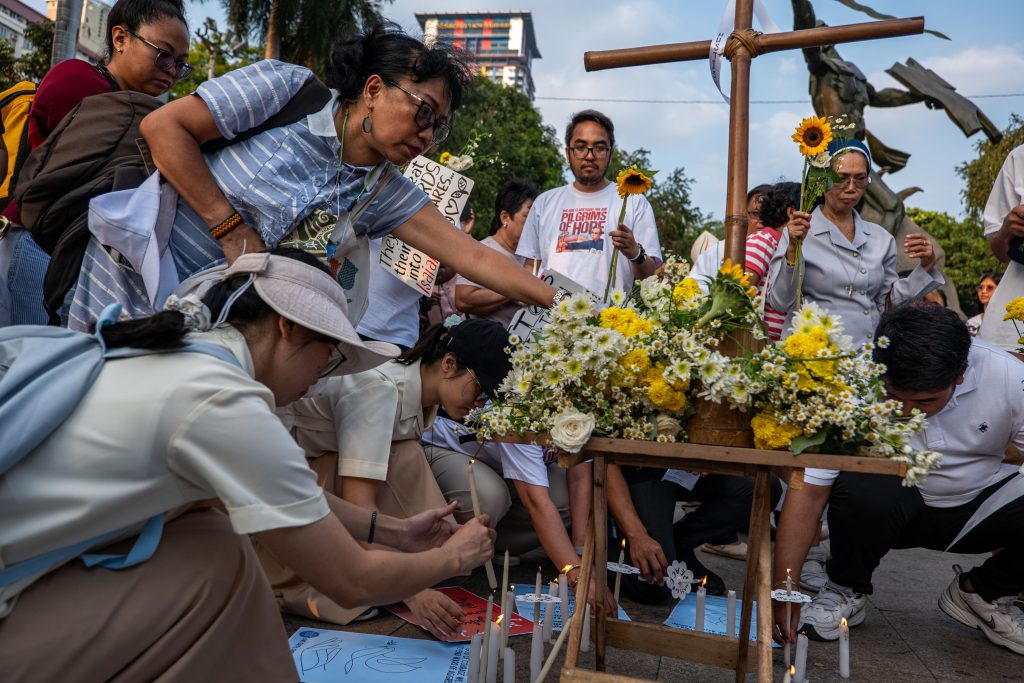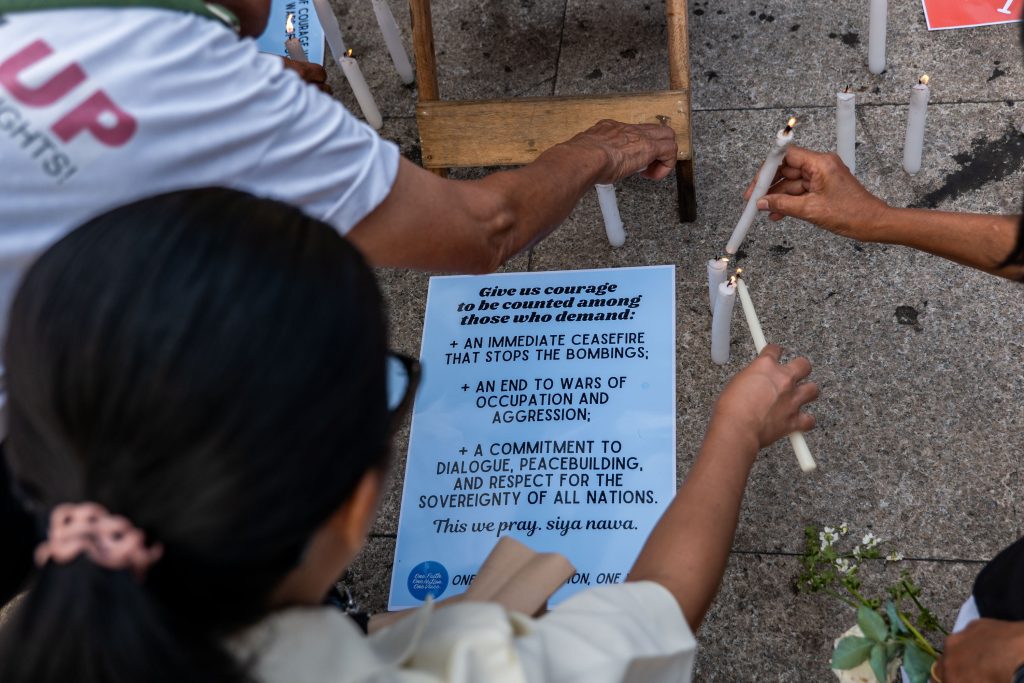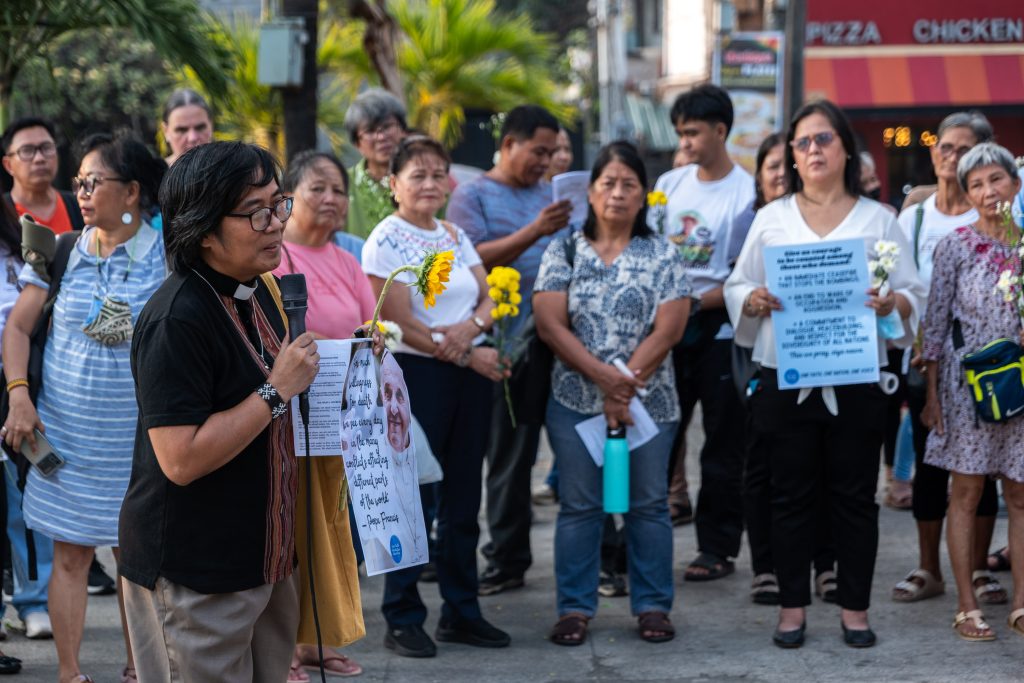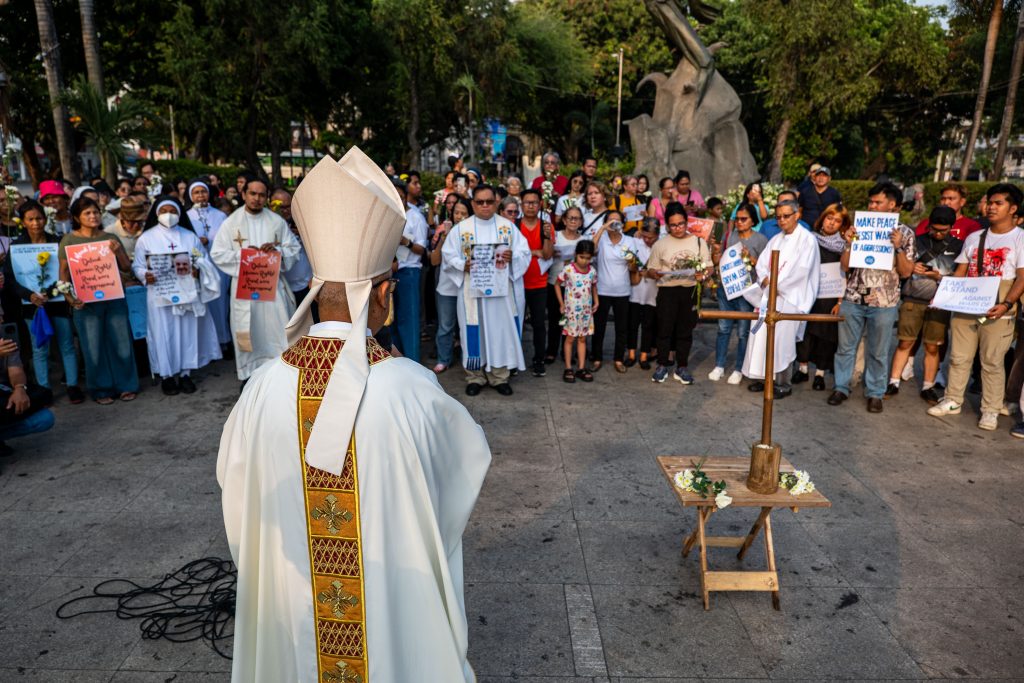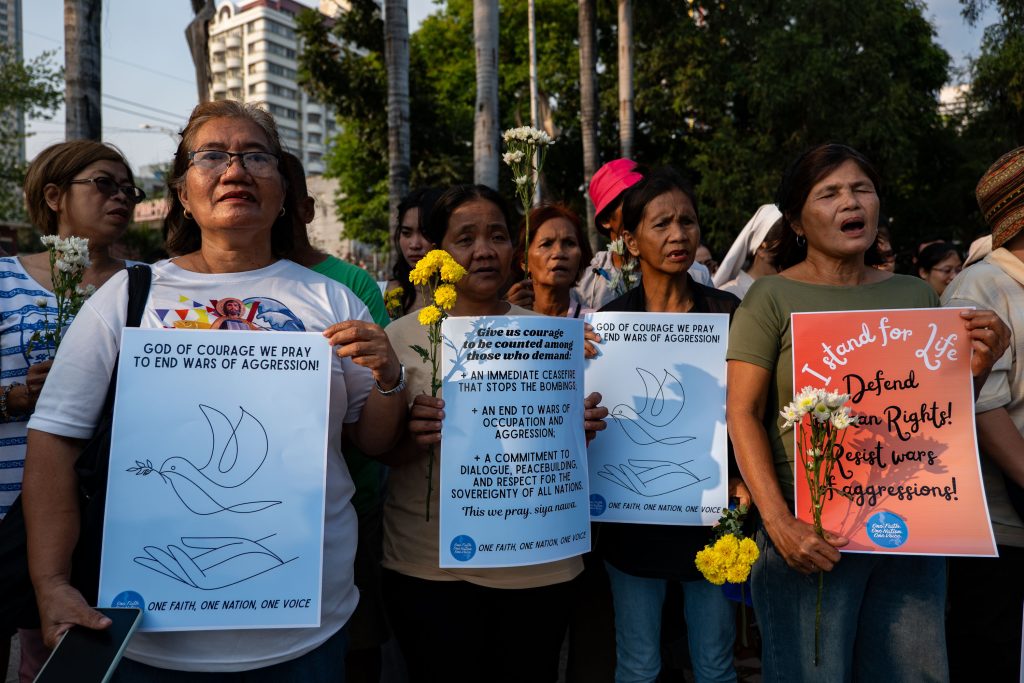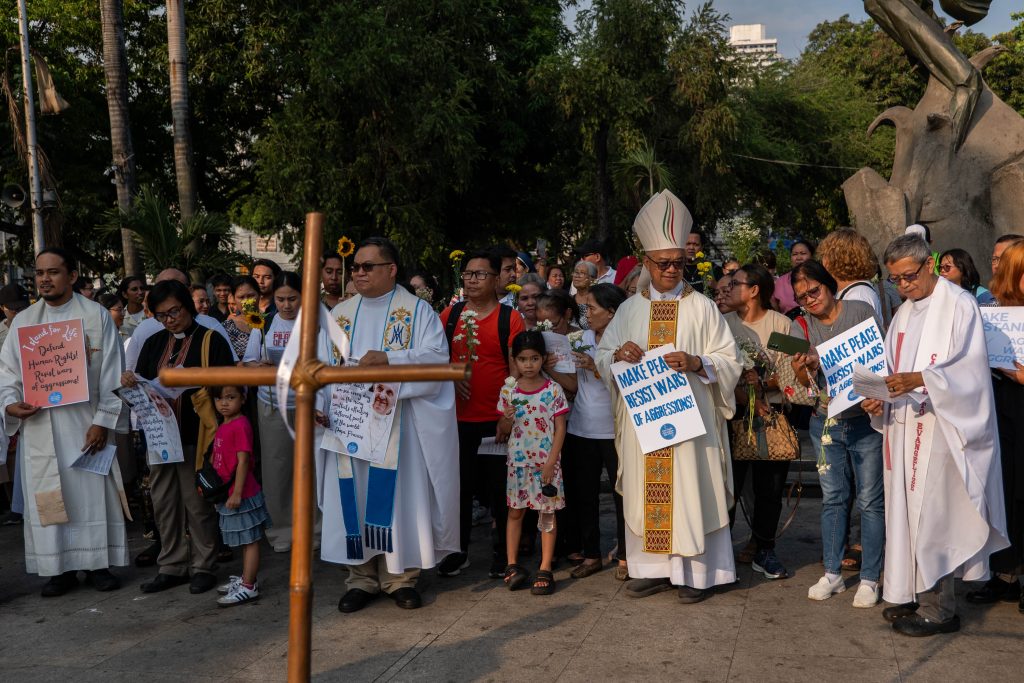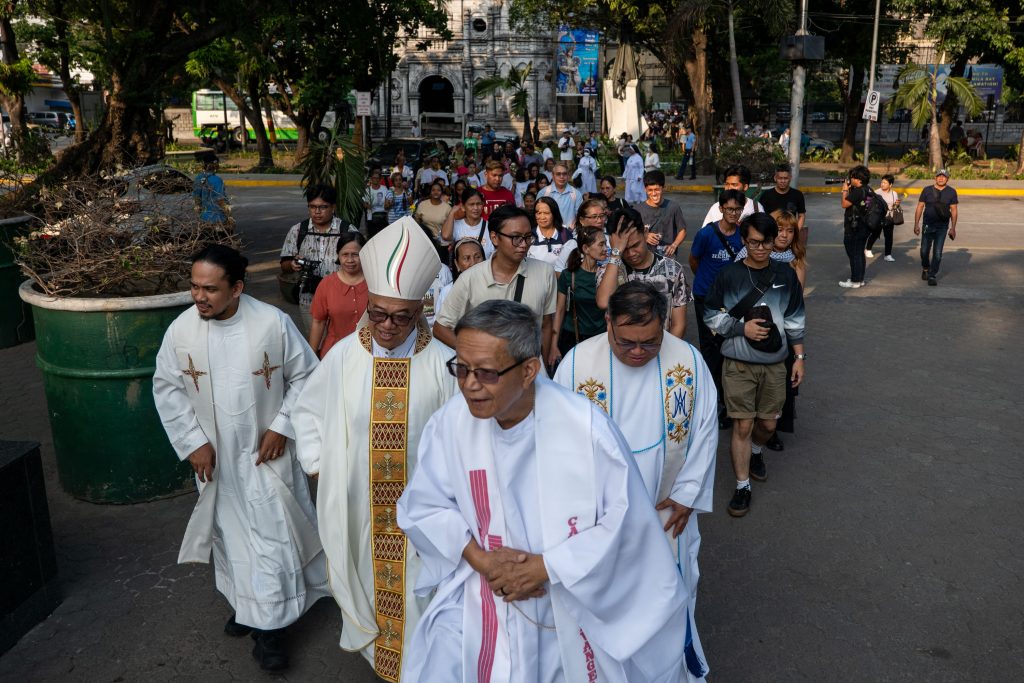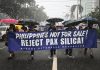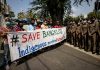
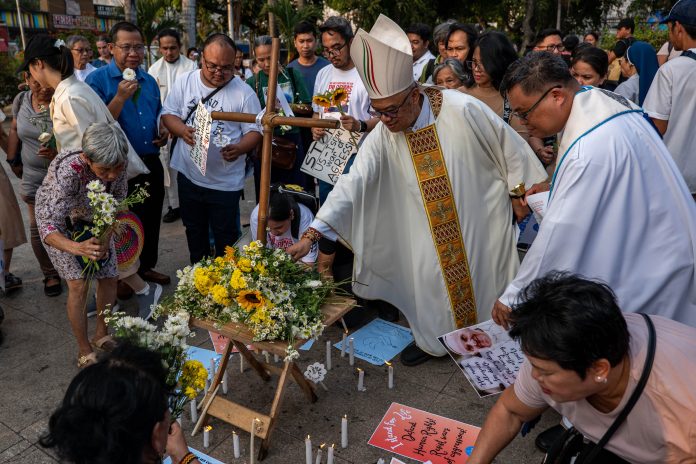
Church workers, rights defenders, and civil society groups in the Philippines marked April 11 with prayer vigils and protest actions in response to Pope Leo XIV’s call for a global day of prayer for peace.
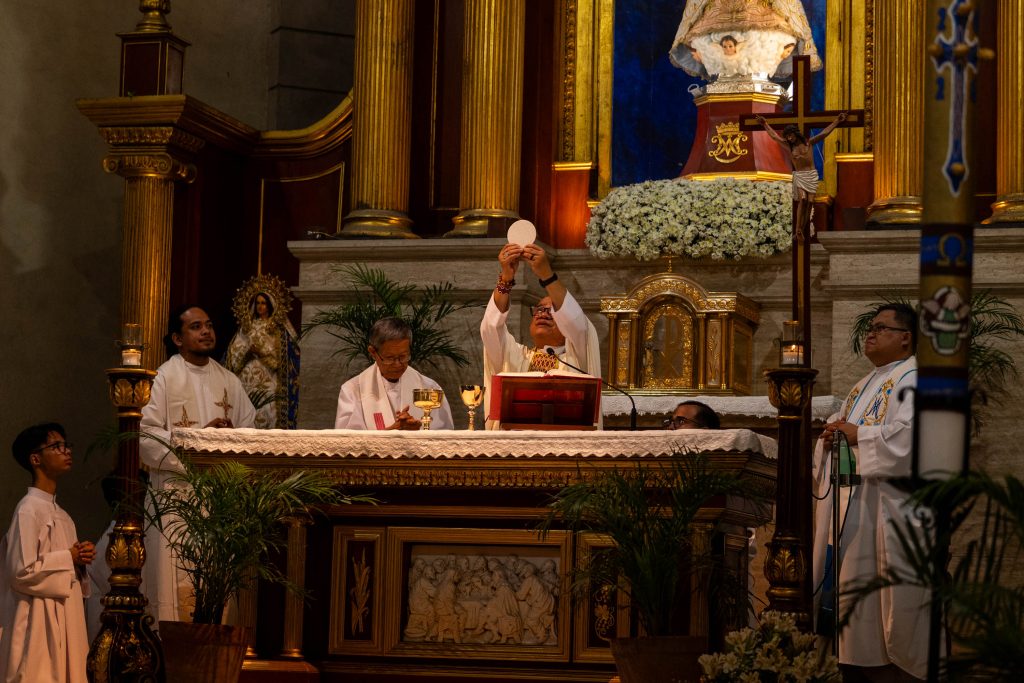
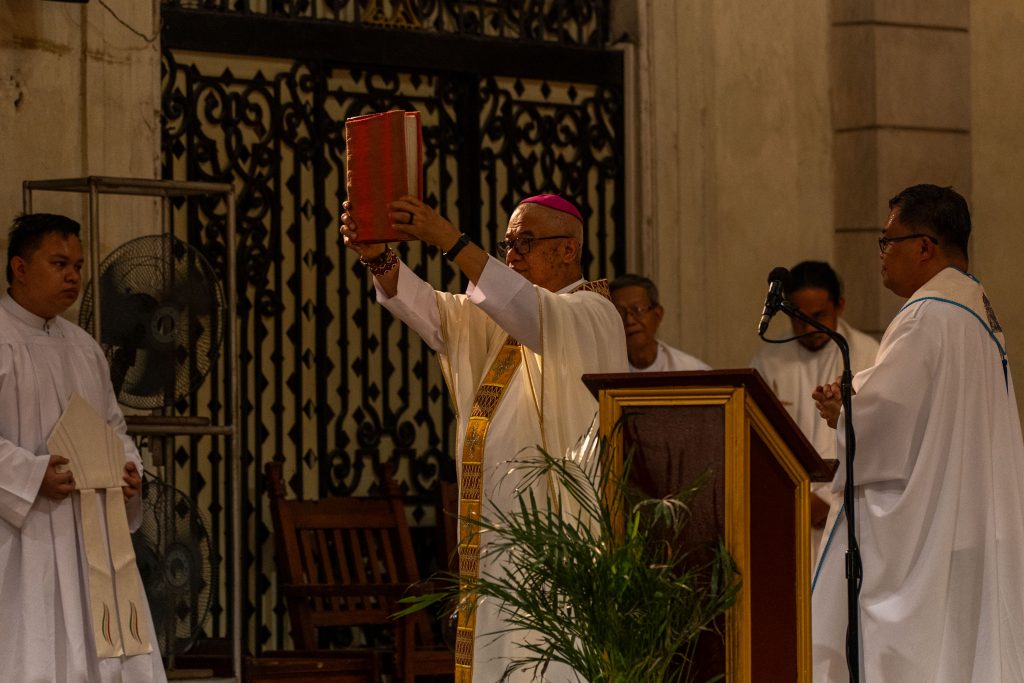
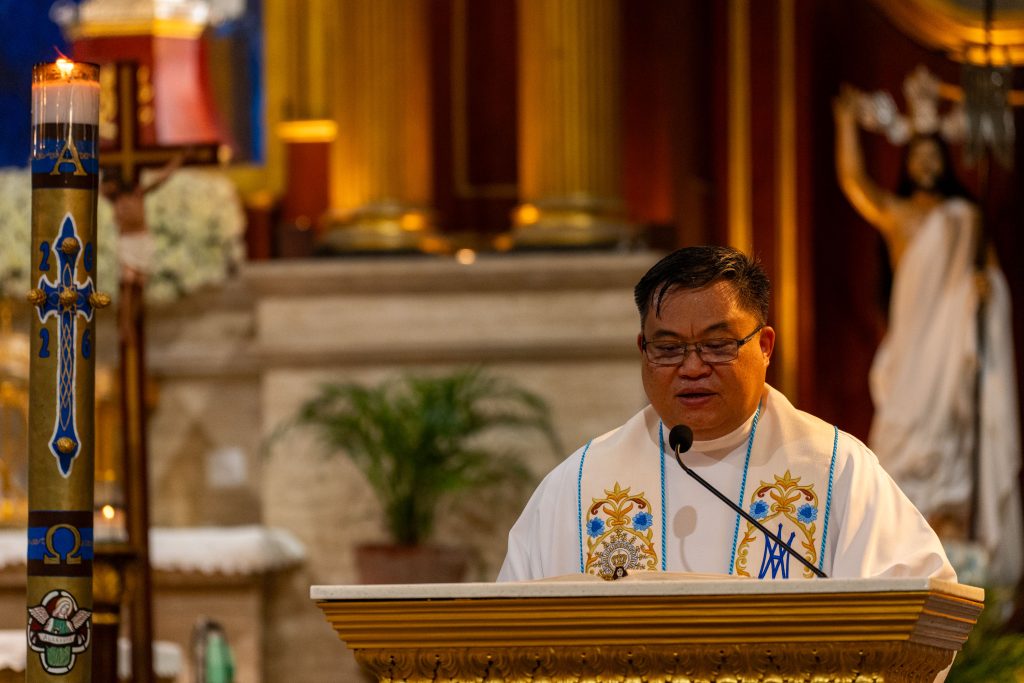
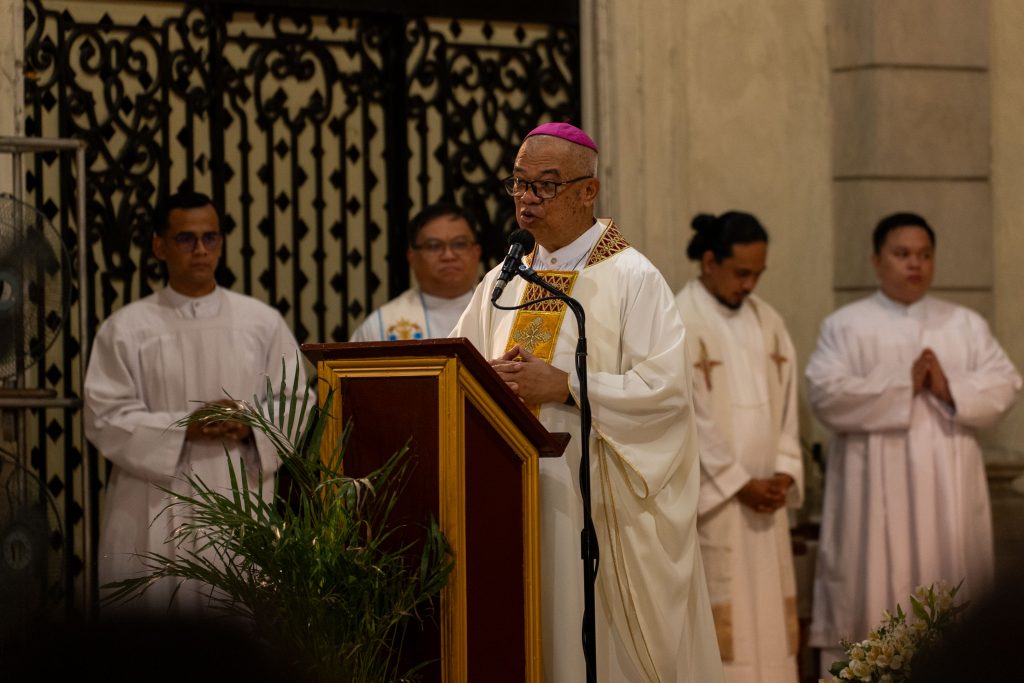
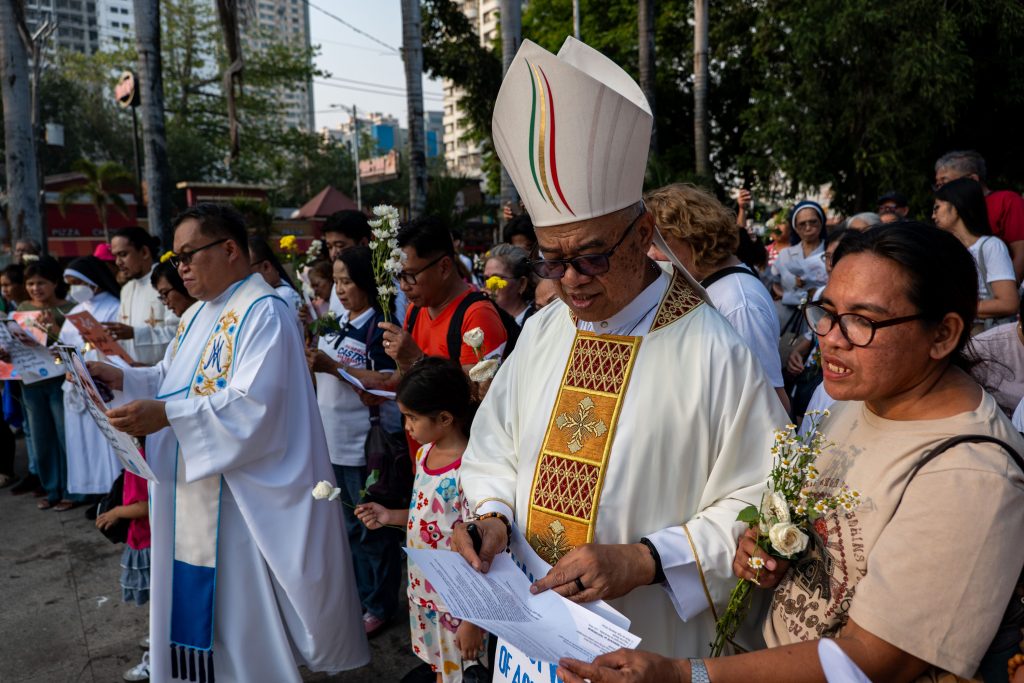
Bishop Gerardo Alminaza of San Carlos, president of Caritas Philippines, presided over a Mass for Peace at Our Lady of Remedies Parish in Manila following a press conference with sectoral organizations and faith-based groups.
The mobilization came as the pope warned of growing global tensions and a dangerous drift toward indifference to violence, urging the faithful to confront war and suffering with renewed commitment to peace.
In his Easter Urbi et Orbi message, the pontiff called on believers to reject resignation to conflict and instead work toward a peace grounded in compassion, dialogue, and transformation in the Risen Christ.
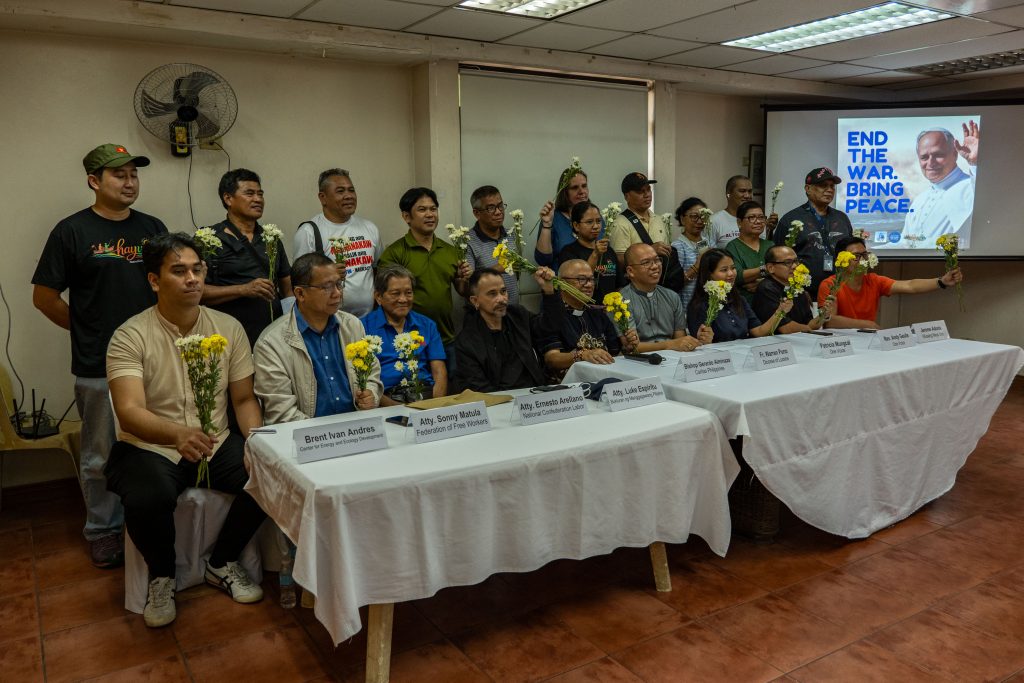
During the press briefing, Alminaza condemned the United States- and Israel-led war of aggression against Iran as “wrong” and “illegal,” saying it has escalated into a wider regional conflict.
The prelate said Filipinos “cannot remain silent about it” because the Middle East conflict is “not just news.”
“It is felt here in the daily lives of Filipinos. When fuel prices rise, the first to be affected are not headlines, but people,” he added.
The Middle East conflict has prompted oil price hikes and rising costs of basic commodities in Asia. The Philippine peso has also weakened significantly, hitting new all-time lows due to the conflict.
Jerome Adonis, general secretary of Kilusang Mayo Uno (May First Movement), said workers and ordinary Filipinos “did not create the crisis, yet we are the ones bearing its impact.”
“In a crisis like this, the government should be at the forefront. The question is: is it?” he said, adding, “We do not want aid that is quickly erased by rising prices.”
The labor leader urged the government to remove oil taxes, scrap the Oil Deregulation Law, and raise the daily minimum wage to ₱1,200 (US$20).
As concerns over the economic fallout mounted during the press briefing, Church youth leaders also warned of the country’s growing vulnerability to escalating geopolitical tensions.
“The presence of foreign military bases in our country puts Filipinos at risk as tensions escalate,” said Patricia Mungcal of the National Council of Churches in the Philippines.
Mungcal raised concerns over the expansion of military sites under the Philippines’ Enhanced Defense Cooperation Agreement with the United States amid rising regional tensions.
“As tensions rise, countries hosting these military sites risk being drawn into conflicts that are not their own,” she added.
Fr. Warren Puno, ecology ministry head of the Diocese of Lucena, warned that the country’s heavy dependence on imported fossil fuels leaves the Philippines especially vulnerable to global conflicts.
“If we continue building coal-fired power plants, we are pushing the country deeper into crisis—energy insecurity, higher electricity prices, and greater burdens on ordinary people,” the priest said. “Coal is not a solution. It is a problem we keep choosing.”
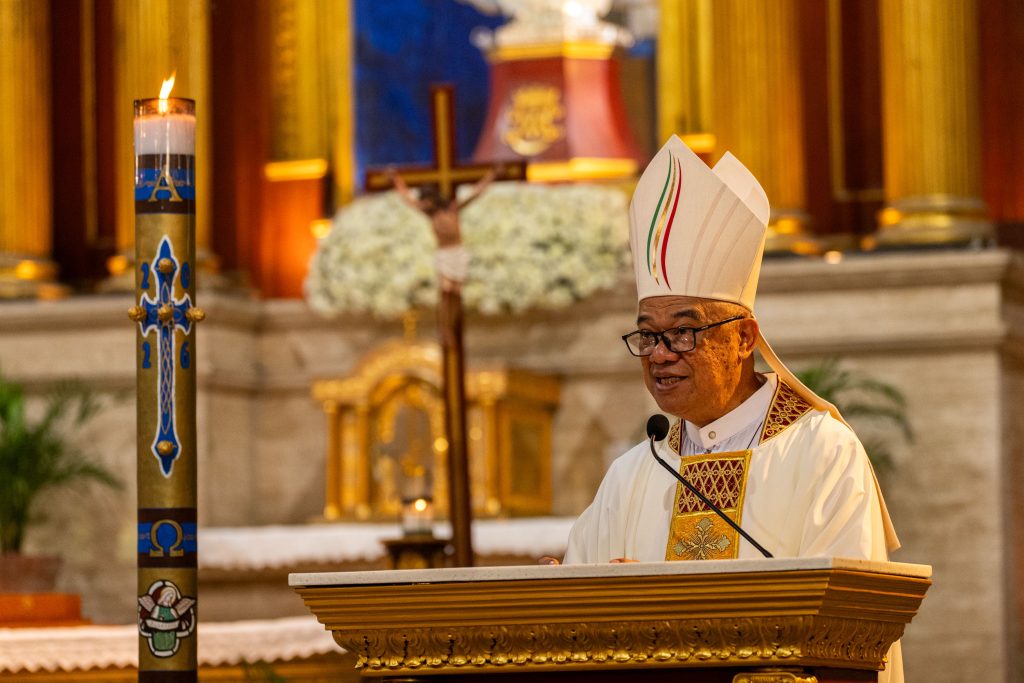
In his homily, Bishop Alminaza described the “unjust war” in the Middle East as one of the “tolerated evils that persist,” not because they are right, “but because we do not act to stop them and instead simply accept them.”
The prelate stressed that the peace the world seeks “is not only prayed for. It is fought for. It is lived.” He added, “We must not allow what is wrong to become normal.”
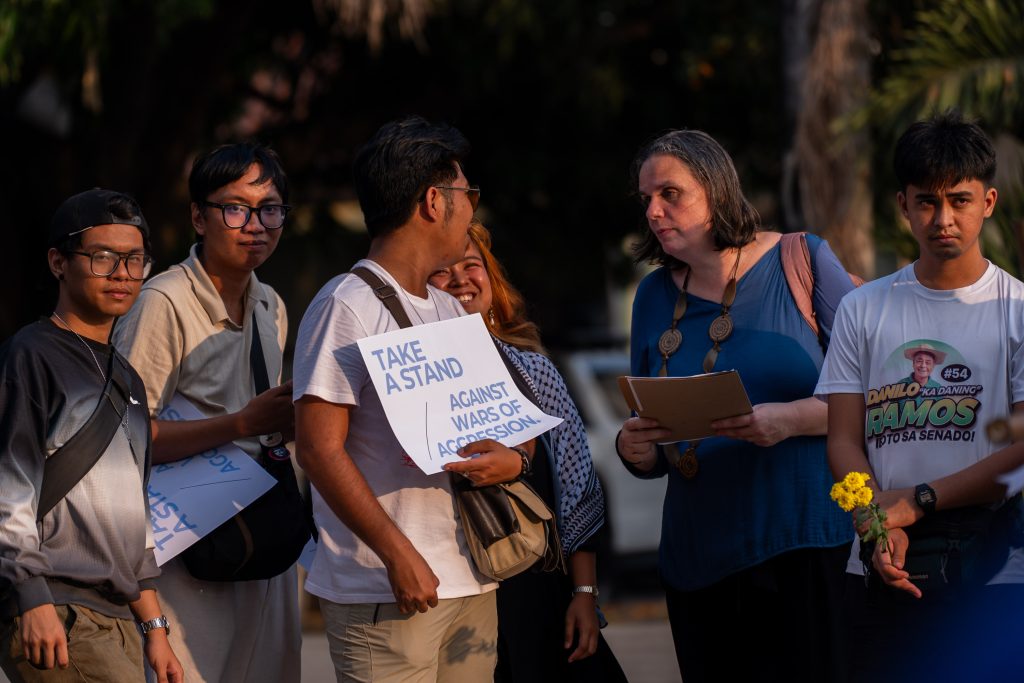
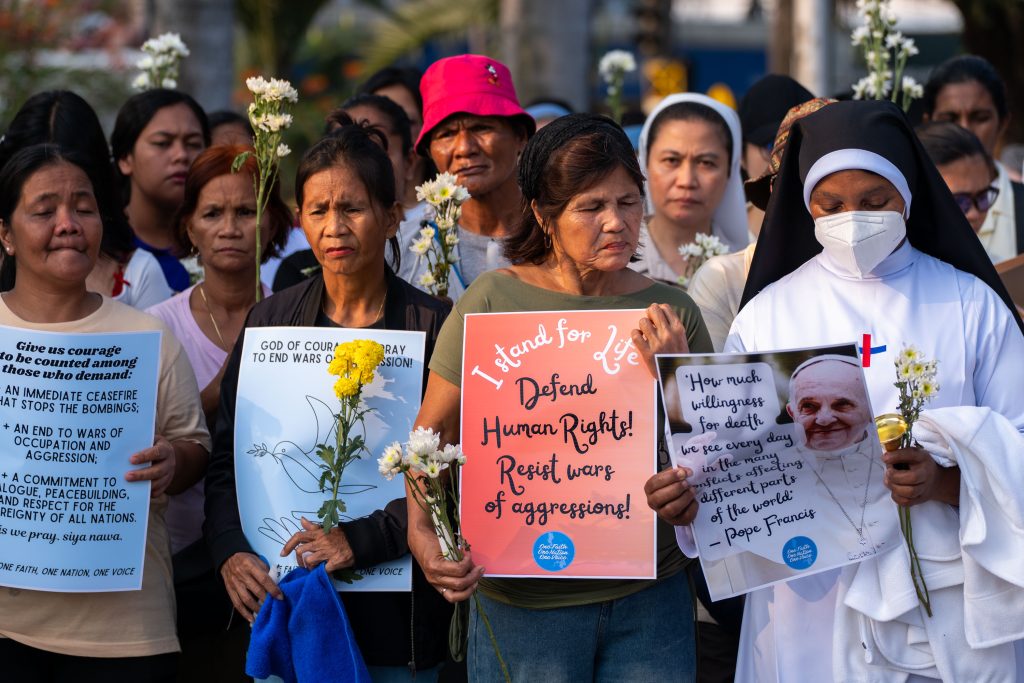
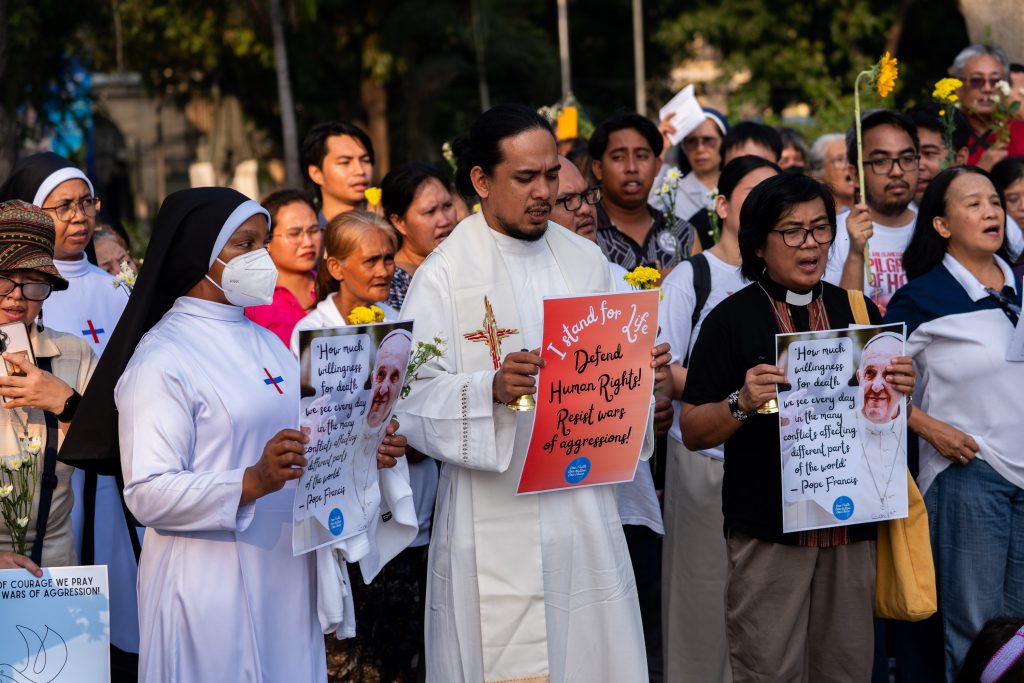
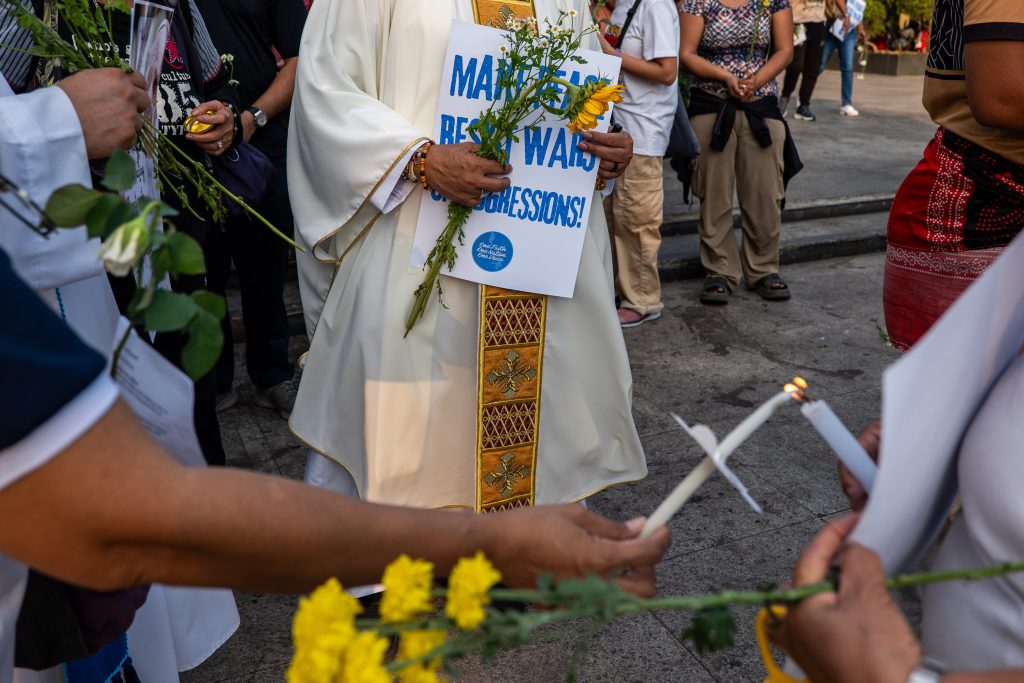
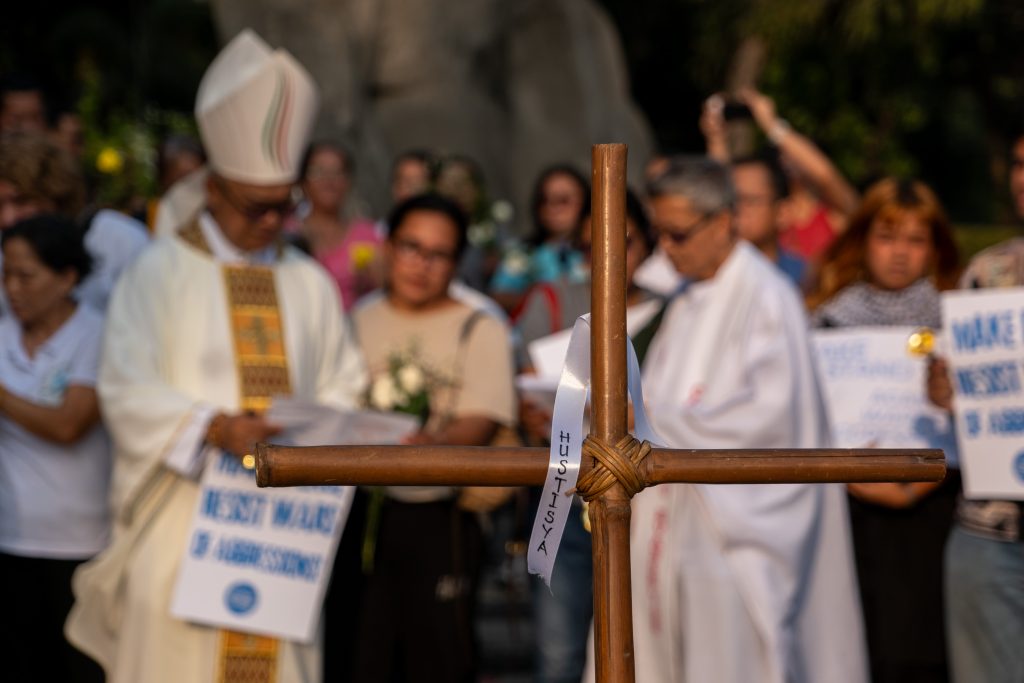
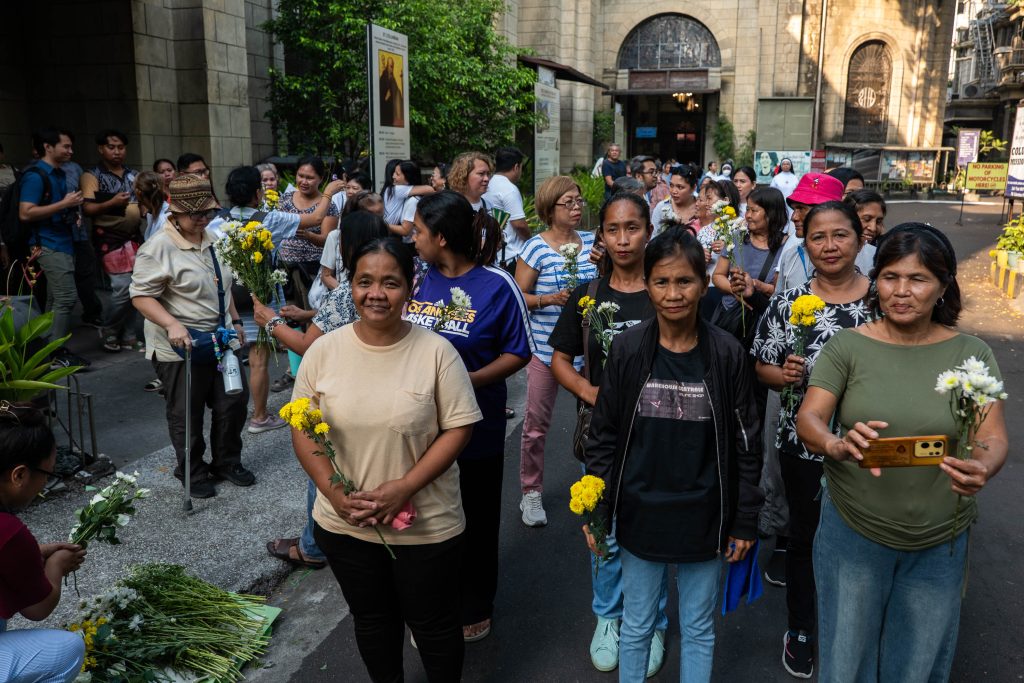
After the Mass, the groups gathered outside the parish for an ecumenical prayer and protest action, carrying flowers and placards calling for peace and an end to wars of aggression.
Clergy and lay leaders led prayers as participants stood along the street, turning the gathering into a public expression of unity for peace across sectors and faith traditions.
All photos by Mark Saludes/LiCAS News