More than 50 environmental groups, community organizations, scientists, and citizens are calling on the Department of Environment and Natural Resources to deny the Special Use Agreement in Protected Areas (SAPA) application of Rizal Wind Energy Corporation (RWEC) for its 603-megawatt wind project in Rizal.
The coalition submitted its petition on November 25, urging authorities to halt all clearances “until critical environmental and governance requirements are fulfilled.”
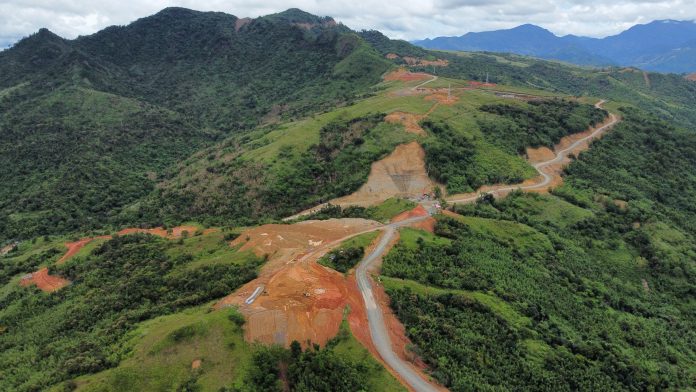
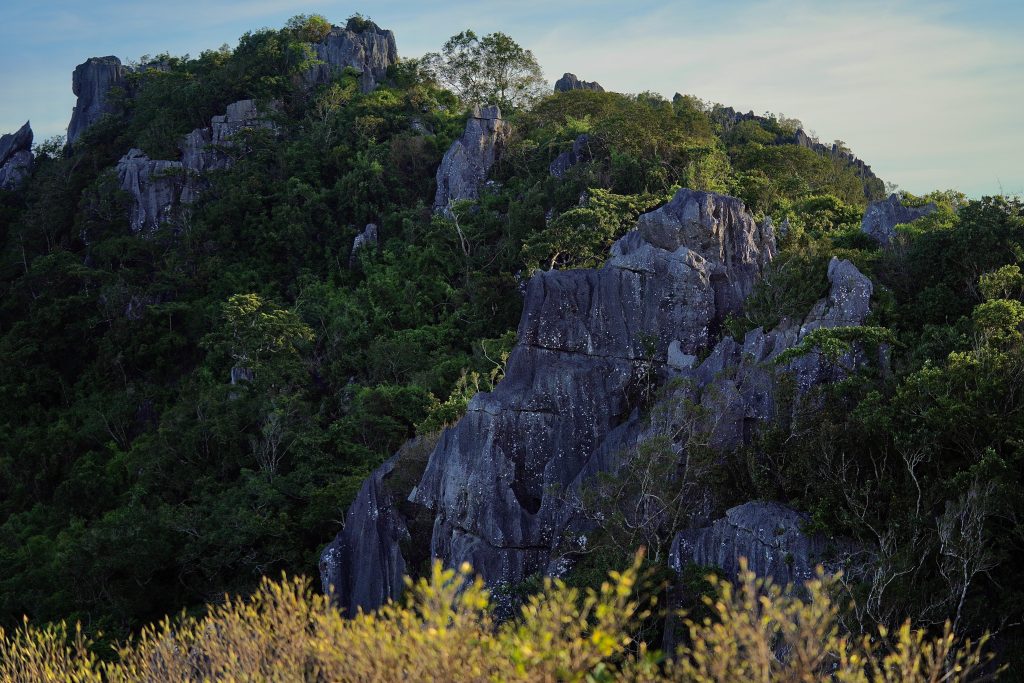
The alliance said the project could place the Masungi Karst Conservation Area (MKCA), the Upper Marikina Watershed, and portions of the Sierra Madre at risk.
These landscapes form Metro Manila’s natural defense line against flooding, typhoons, and prolonged drought.
RWEC, a subsidiary of the Singapore-based Vena Group, plans to build wind turbines and supporting infrastructure across several ridges in Tanay, Antipolo, and Baras.
The coalition warned that the scale and siting of the project could threaten ecosystems that protect millions of residents downstream.
The petition outlines five “non-negotiable conditions,” starting with the call to “exclude the Masungi Karst Conservation Area and its buffer zones from the project site, and revoke all related endorsements and permits.”
Other conditions include stronger safeguards in protected areas and watershed reserves, a review of the project’s Environmental Compliance Certificate, a comprehensive cumulative impact assessment, and “meaningful, transparent, and science-based public participation” throughout the process.
The groups stressed the need to prioritize watershed and forest protection, saying these areas serve as critical natural barriers that must be preserved under the protected areas law.
While expressing support for renewable energy, the coalition said projects must not undermine environmental integrity.
“Energy must not come at the cost of life,” the petition stated, adding that “no industrial project—however branded as ‘green’—should compromise life-support systems such as the Sierra Madre and Upper Marikina Watershed.”
It also emphasized that foreign-backed developments in heritage and conservation zones must “demonstrate accountability to Filipino communities and respect scientific findings and legitimate local concerns.”
The groups urged DENR and Protected Area Management Boards to commit to a “transparent, participatory, and science-based review conducted in full public view.”
They warned that the wind project, estimated to directly affect 503 hectares and indirectly impact a far larger area, could disrupt water systems, undermine reforestation efforts, and accelerate industrial intrusion in a landscape described as one of the country’s most vital climate buffers.
Protect Sierra Madre and Masungi, the alliance behind the petition, brings together youth networks, environmental advocates, people’s organizations, scientists, and community partners pushing for the protection of critical forest and watershed ecosystems.