A Catholic prelate involved in interfaith peace efforts in the Philippines has urged South Korean authorities to uphold due process in the case of detained religious leader Lee Man-hee.
Retired Archbishop Antonio J. Ledesma of Cagayan de Oro made the appeal in a letter after learning of Lee’s detention.
Ledesma, who promoted Catholic-Muslim dialogue during his tenure as archbishop of Cagayan de Oro, said he remained confident in South Korea’s judicial system while calling for fairness and respect for human dignity in the legal process.
Lee, 95, chairs Heavenly Culture, World Peace, Restoration of Light and the Shincheonji Church of Jesus.
He was taken into custody after the Seoul Central District Court approved prosecutors’ request for an arrest warrant on allegations that he coerced more than 50,000 followers to join the conservative People Power Party between 2021 and 2024, in violation of South Korea’s Political Parties Act.
The court cited “the risk of destruction of evidence” in granting the warrant.
Shincheonji denied the allegations, saying Lee cooperated with investigators, that authorities had already secured the relevant evidence and that, given his age, he posed no flight risk.
The church said it would use all available legal means to contest the charges during trial.
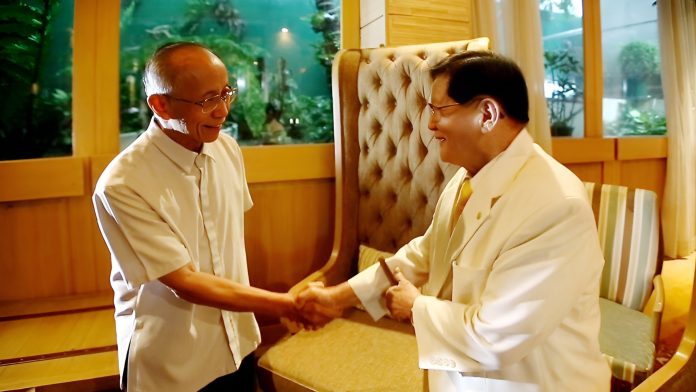
“I express deep concern upon hearing the news that Chairman Lee Man-hee, with whom I have long maintained contact and worked together for peace in Mindanao, has been arrested,” Ledesma said.
The retired archbishop said he witnessed Lee bring together religious leaders from different faiths to promote dialogue and reconciliation in communities affected by conflict.
“His dedication has inspired many people, including myself, and has made a meaningful contribution to the process of reconciliation and peacebuilding in Mindanao,” he said.
While refraining from commenting on the allegations, Ledesma said he hoped Lee would be allowed to undergo legal proceedings without detention if authorities determined there was no risk of flight or destruction of evidence.
He added that “justice is more fully realized when due process, fairness, and respect for human dignity are upheld together.”
Ledesma first met Lee in 2013 through interfaith peace initiatives in Mindanao. In January 2014, the Heavenly Culture, World Peace, Restoration of Light facilitated a civilian peace agreement involving about 300 political, religious and community leaders committed to peaceful cooperation between Christian and Muslim communities.
Among the signatories were former Maguindanao Gov. Ismael Mangudadatu and former Davao Archbishop Fernando Capalla.
Later that year, Ledesma signed the Pact of Religious Unity during the World Peace Summit in South Korea. He also participated in programs organized by the group, including the International Religious Peace Academy and the National Peace Convention in the Philippines.
Founded in 1984, Shincheonji is known for its distinctive interpretation of the Bible, particularly the Book of Revelation. The church has attracted a large international following but has also faced criticism over its recruitment practices.
It also came under intense public scrutiny during the early months of the COVID-19 pandemic, when a large cluster of infections in South Korea was linked to its members.
The case has also drawn attention from international observers of religious freedom. Italian sociologist of religion Massimo Introvigne, founder of the Center for Studies on New Religions, said the case should be resolved through evidence and established legal principles, adding that it has prompted wider discussion about judicial fairness and religious freedom in South Korea.