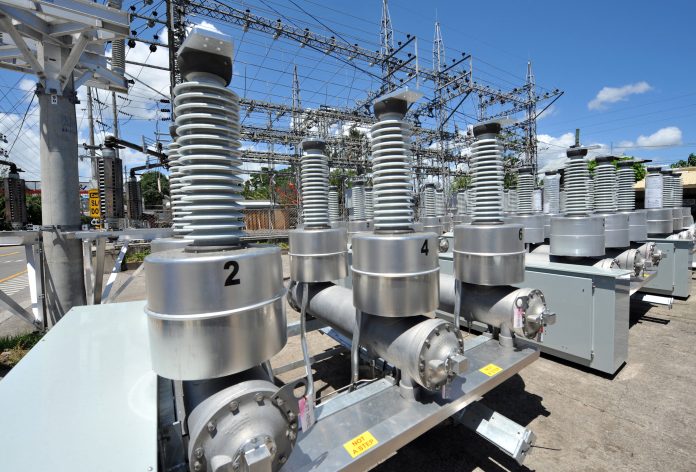
Power outages across the Visayas have renewed scrutiny of the Philippines’ dependence on coal-fired power after advocacy groups blamed repeated breakdowns at an Aboitiz-owned plant for persistent grid instability since mid-May.
In a statement, local advocacy groups said the repeated forced outages involving the two 169-megawatt coal units of Therma Visayas Inc. in Toledo City, Cebu, were among the major causes of yellow alerts affecting the Visayas grid since May 12.
The groups also opposed the company’s planned Unit 3 expansion, warning it would deepen the region’s dependence on fossil fuels amid extreme heat and rising energy pressures.
“Year after year, we see the same script: the temperature rises to extremes, electricity demand peaks, and like clockwork, coal plants like TVI break down. TVI is a huge liability and not a solution, and their plan to expand their existing power plant to a third unit will only bring additional burden to electric consumers,” said Teody Navea, secretary-general of Sanlakas Cebu.
The advocates cited data from the National Grid Corporation of the Philippines showing that TVI Units 1 and 2, along with Unit 3 of Panay Energy Development Corporation, were among the largest contributors to recent forced outages in the Visayas grid.
“It is ironic that while fossil fuel companies profit from an ongoing oil crisis, their own infrastructure cannot even stay running when Filipinos need power the most. We are being held hostage by a fuel source that is as unreliable as it is expensive,” Navea said.
The groups also criticized the Department of Energy’s continued reliance on coal and liquefied natural gas projects.
“The DOE must stop entertaining the false narrative that more fossil fuels—whether coal or LNG—will cushion the blow during times of crisis. The numbers don’t lie: coal plants worsen the problem and adding a new one will only lock us into long-term contracts and high electricity bills for the next ten years,” Navea added.