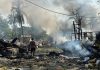
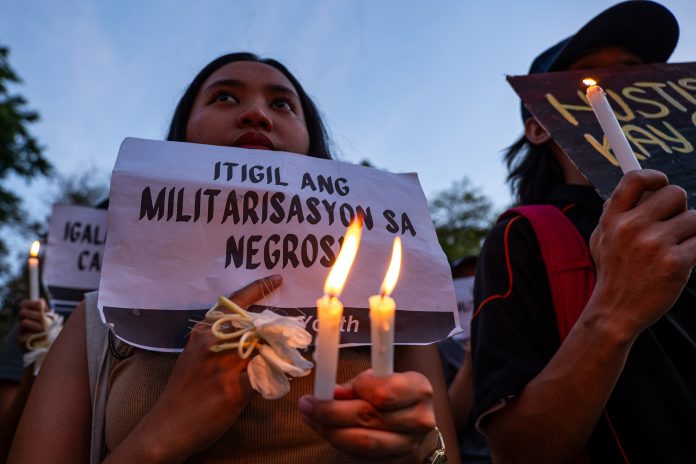
A Philippine military operation in Negros Occidental that left 19 people dead, including a community journalist and a student leader, is under investigation amid conflicting claims over whether those killed were armed fighters or civilians.
Government authorities confirmed that two United States citizens, Lyle Prijoles and Kai Dana-Rene Sorem, were among those killed, adding that they had arrived in Negros Occidental about a month before the operation.
The Commission on Human Rights (CHR) said it was “gravely concerned” over the April 19 incident in Salamanca village, Toboso town, where at least 19 individuals were killed.
It has launched an independent probe through its Negros Island Region office, coordinating with civil society groups, local authorities, and security forces, while assisting families in retrieving the remains.
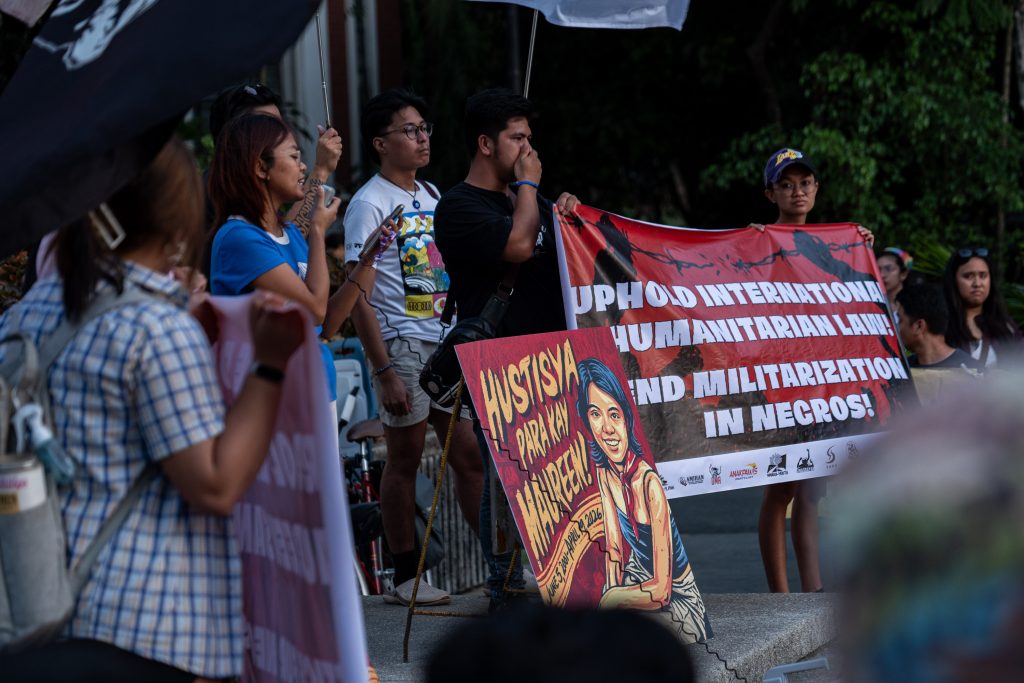
Authorities have issued differing accounts. The Armed Forces of the Philippines (AFP) said those killed were members of an armed group, while human rights organizations and local advocates asserted that some victims were civilians engaged in community work.
Noting “the inconsistencies in the identities of those dead,” the CHR said claims from both sides “require thorough, independent verification”.
It stressed that the “determination of status, circumstances of engagement, and proportionality must be based on verifiable facts and due process,” and underscored that “in case of doubt, persons shall be presumed civilians.”
The military described the incident as “a legitimate armed encounter, not a massacre,” saying troops engaged armed fighters and seized 24 firearms, and that the operation was conducted “in accordance with the Rule of Law, Rules of Engagement, and International Humanitarian Law, with civilian safety as a top priority.”
Philippine Army spokesman Colonel Louie Dema-ala said the military was “open to investigation and the evidence will speak for us.”
Human rights group Karapatan, however, said the “sheer number of those killed triggers significant questions and conclusions on the conduct of the AFP operations,” pointing to concerns over the use of force.
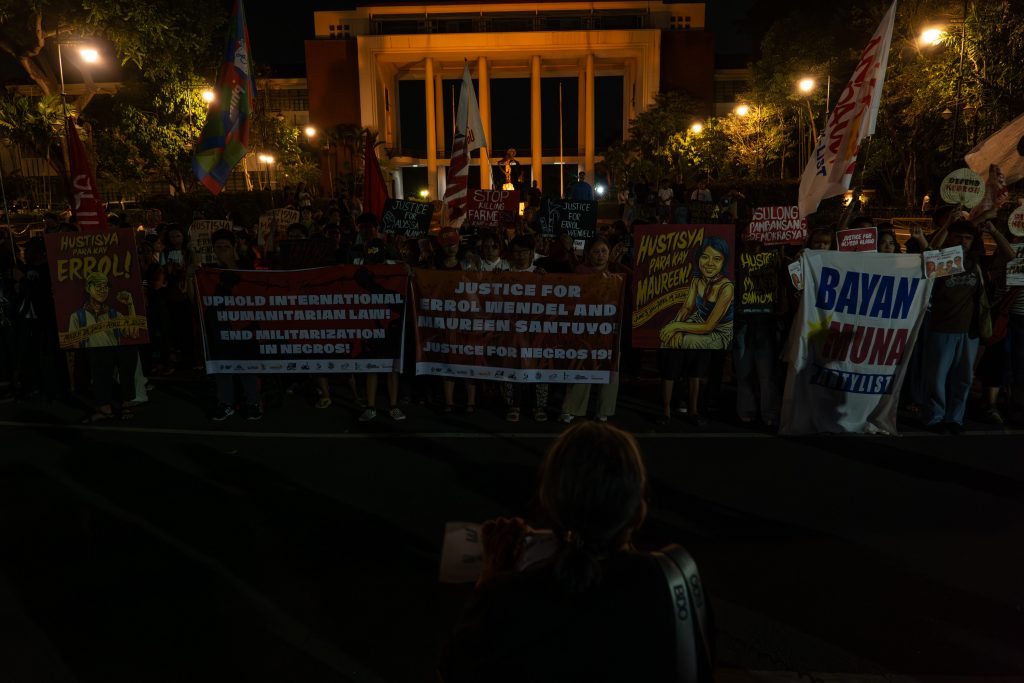
The killing of community journalist RJ Nichole Ledesma has drawn particular concern from media organizations, which said he was in the area for reporting and community work at the time.
Altermidya Network said Ledesma “was in the area doing community work and immersion reporting on the effects of renewable energy projects – including solar farm expansion and windmill projects – on vulnerable farmer communities.”
Human Rights Advocates Negros (HRAN) disputed accounts of where he was killed, saying he “was not in the initial clash site in Sitio Sinugmawan” and was instead “attacked in a separate peasant community in Sitio Plariding during an ensuing military pursuit operation.”
The National Union of Journalists of the Philippines stressed that “Ledesma was a journalist — a duty that he had taken up even as a student at the University of St. La Salle in Bacolod,” adding that his death “illustrates the risks that community journalists, activists, and rights defenders face in doing their work in conflict-prone areas.”
In Congress, lawmaker Leila de Lima said the deaths, including those of Alano and Ledesma, “warrant an urgent investigation,” citing “the high number of casualties” in the military operations carried out by the Philippine Army’s 79th Infantry Battalion.
She said that “beyond the question of whether the military operation was legitimate, there are serious allegations of violations that led to the deaths of 19 individuals,” adding that “we must investigate what truly transpired to find clarity and the truth.”
While expressing support for security efforts, De Lima said, “We do not tolerate unnecessary violence or flagrant violations of human rights and humanitarian laws.”
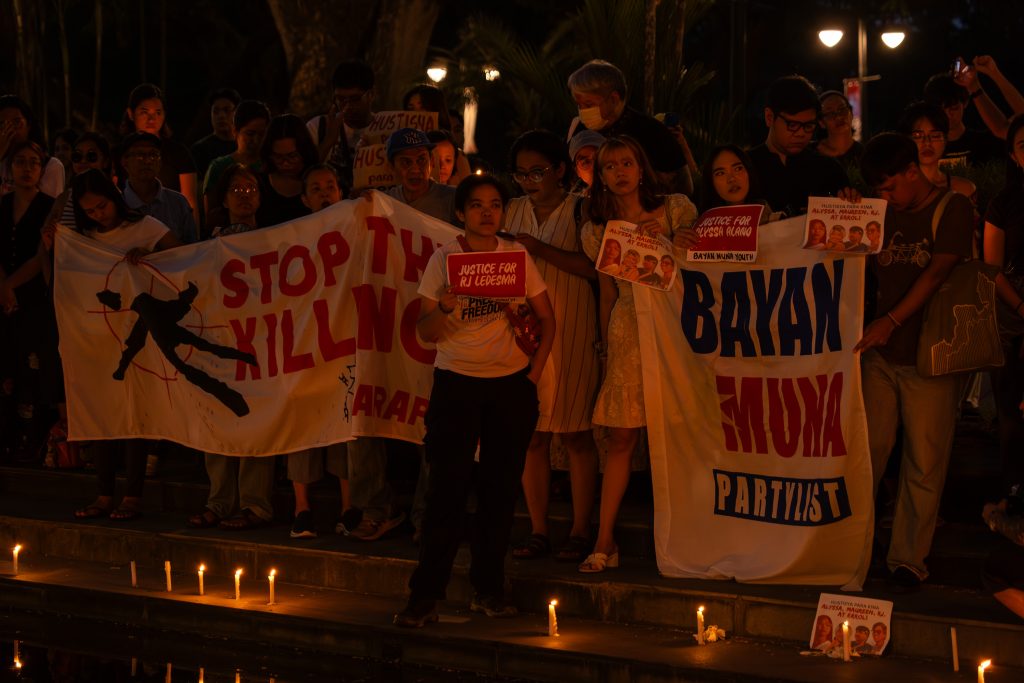
The violence displaced civilians in surrounding communities, with local disaster officials reporting that more than 300 residents fled their homes as gunfire broke out in the remote farming area.
The CHR said over a hundred families were displaced and called on authorities to ensure “adequate humanitarian assistance, protection from further displacement, and access to basic services, in line with human rights and humanitarian standards.”
It also reiterated that parties to a conflict “must distinguish between combatants/fighters and civilians/civilian objects,” adding that “indiscriminate attacks are prohibited, and civilians are protected unless they directly participate in hostilities.”
The incident, the CHR said, “underscores the continuing human cost of armed conflict, particularly in marginalized communities such as those in Negros.”