
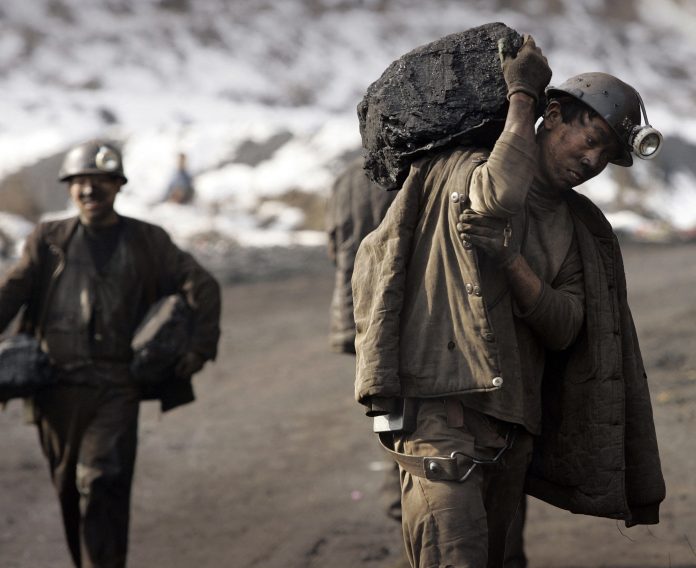
Southeast Asia’s return to coal is driving up energy costs and exposing the region to deeper supply risks, a new analysis shows, as governments respond to the latest global fuel shock.
A report released April 8 by Zero Carbon Analytics found that recent spikes in oil and gas prices, driven by the ongoing Middle East conflict, have pushed countries across the region to switch from gas to coal.
Instead of easing pressure, the shift has raised coal prices and left economies exposed to the same volatility they sought to avoid.
The report argues that the response reveals a deeper structural problem: shifting between fossil fuels does not reduce exposure to global price shocks, but reinforces dependence on unstable energy markets.
“Coal is often seen as a fallback during energy crises, but the data shows it is neither cheap nor stable,” said Amy Kong, author of the report. “Fuel switching may offer short-term relief, but it ultimately locks countries into higher costs and greater exposure to global price shocks.”
The analysis shows how closely fossil fuel markets move together. As demand shifts from gas to coal, prices rise across both sectors.
Since the start of the crisis, Asia’s LNG prices have surged nearly 70%, while coal prices have also climbed as demand increased.
Coal prices in Asia rose nearly 20% above pre-war levels following the shift from gas, reflecting a pattern seen during the 2022 global gas crisis, when coal prices reached record highs.
The findings suggest that switching fuels offers little protection from external shocks.
“Energy security in Southeast Asia will not come from switching between fossil fuels,” Kong said. “It will come from reducing dependence on them altogether.”
Governments across the region have introduced emergency measures to cope with rising energy costs. The Philippines has declared a national energy emergency and adopted demand-side steps, including a four-day workweek in parts of the public sector. Laos has shortened school weeks, while Myanmar has imposed fuel rationing.
The report cautions that coal is unlikely to provide a reliable or affordable alternative. Increased demand during supply disruptions drives prices higher, while many gas-fired power plants cannot easily switch to coal.
By contrast, renewable energy is emerging as a more stable and cost-competitive option. Solar power is already cheaper than coal in seven of the ten ASEAN countries, including the Philippines, Vietnam, and Thailand, based on levelized cost data.
Unlike fossil fuels, renewables do not rely on imported fuel and are less exposed to global price swings.
“Once you account for the full costs of coal, the economic case for renewables becomes overwhelming,” Kong said.
The report estimates that replacing 45 gigawatts of planned gas capacity with solar and battery storage could save the region around $4 billion by 2030. Replacing the same capacity with coal would be the most expensive option.
Beyond costs, the analysis points to wider risks tied to coal use, including air pollution, public health impacts, and rising climate vulnerability. Fine particulate pollution from coal is linked to respiratory and cardiovascular disease, while countries such as the Philippines, Myanmar, and Vietnam remain among those most affected by extreme weather.
The findings come as Southeast Asia faces its second major energy shock in five years. The report says repeated disruptions highlight the limits of fossil fuel-based strategies and the need to accelerate a shift toward domestic renewable energy and stronger regional power sharing.
For energy-importing countries, the findings underscore a stark choice: continue shifting between volatile fossil fuels, or invest in domestic renewables that offer more stable and predictable costs.