For Catholics around the world, reliving the Upper Room experience is more than tradition. It is a tangible invitation to reflect on humble compassion, even in the face of betrayal.
In the Gospel narratives, a mystery emerges: Jesus did not initially disclose the location where he intended to celebrate the Last Supper. Neither Peter, John, nor James knew the destination beforehand. Why did Jesus keep it secret?
In the Gospel of John, Jesus tells Judas, “What you are about to do, do quickly.” At that moment, the other disciples are left guessing. Some assume Judas is buying supplies or giving to the poor because he holds the common purse. Only Jesus knows the plot against him.
By keeping the location secret until the last moment, Jesus shows a profound human wisdom, being “wise as a serpent.” Had the location been disclosed earlier, it might have disrupted God’s plan. To ensure the work of salvation was not interrupted prematurely, Jesus takes precautions.
When the Day of Unleavened Bread arrives, Jesus gives Peter and John specific, almost cryptic, instructions:
“When you go into the city, a man will meet you carrying a jar of water. Follow him into the house that he enters and say to the master of the house, ‘The teacher says to you, “Where is the guest room where I may eat the Passover with my disciples?”’”
In an age without phones or digital communication, this functions as a form of security. Judas has no opportunity to alert authorities to the location beforehand. Peter and John follow the signs, prepare the room, and only then does the group arrive together.
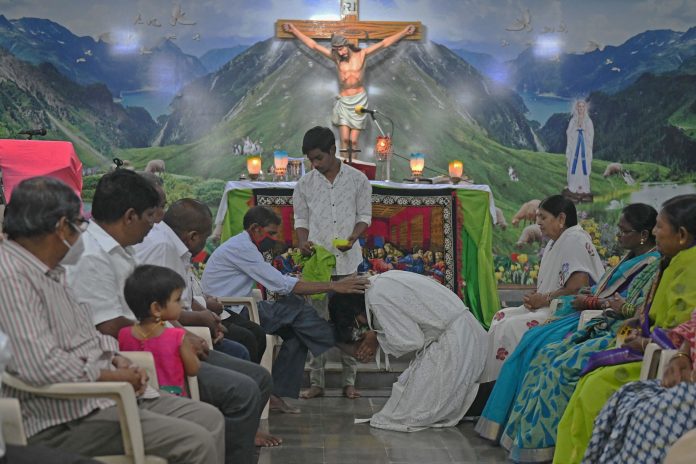
Once there, Jesus performs an act of humility by washing the feet of his disciples, including Judas. Even as he announces that one of them will betray him, his conduct remains composed. When Judas asks, “Surely it is not I, Rabbi?” Jesus answers, “You have said so.”
The compassion Jesus shows toward his betrayer presents a challenge today. It calls for restraint from harboring ill will toward others. While people may feel entitled to revenge or fall into self-righteousness when wronged, the Gospel points to a different path.
The accounts show no vengeful response from Jesus, no arrogance, and no removal of Judas from his role. Instead, they reflect an approach rooted in acceptance and the possibility of renewal, a metanoia.
This raises a difficult question: Are we not, at times, responsible for the breakdown of relationships, health, and peace?
The Gospel also does not show Jesus excluding Judas from the meal or favoring only a chosen few.
Maundy Thursday invites reflection on personal weaknesses and faults, regardless of status or position. It calls for compassion, mercy, and humility, following the example of one who knew he was being betrayed yet chose to serve without resorting to revenge.
Sr. Molly Fernandes SFN is a member of the Sisters of the Holy Family of Nazareth, Sancoale, Goa, India. She currently serves as the Directress of the Holy Family Communication Centre and editor of the congregation’s magazine. A speaker and writer, she actively evangelizes through mass media, using communication as a tool for faith formation and outreach.