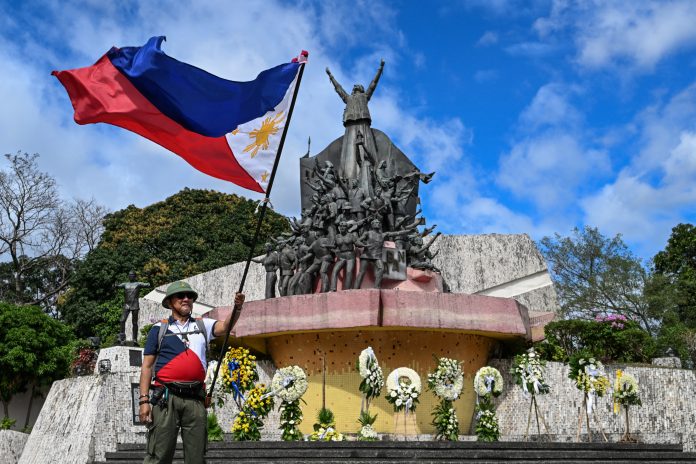
Catholic bishops in the Philippines marked the 40th anniversary of the 1986 People Power uprising with a call for political reform, urging the passage of an “authentic Anti-Dynasty Bill” and renewed action against impunity.
In a pastoral letter commemorating the 1986 uprising, the bishops said Filipinos must move beyond remembrance and confront what they described as persistent corruption and weakened institutions four decades after the fall of dictatorship.
“Let us fight impunity together. Impunity is the absence of accountability; wrongdoing goes unpunished; those responsible always get away with it. What is wrong becomes normal. Sin escapes punishment, and justice remains silent. The powerful fear nothing. So that we may hold power accountable, let us rally together for the passage of an authentic Anti-Dynasty Bill. Power must remain in the people, not in a few,” the bishops said.
In the letter, the Catholic Bishops’ Conference of the Philippines acknowledged that the promise of the 1986 uprising remains unfulfilled for many Filipinos.
“We realize that we have squandered the gift of EDSA –the dawn of a new freedom. We became inured to it. We forgot that freedom is both a task and a duty. We took for granted the opportunity to start anew,” they said.
They pointed to enduring social problems as evidence of what they called a collective failure.
“This betrayal stares us in the face: persistent poverty, entrenched graft, eroded trust, underdevelopment. ‘All have sinned and fall short,’ Scripture warns, reminding us that justification comes through humble faith, not self-righteousness.”
The prelates outlined three duties for Catholics and “all peace-loving Filipinos”: “to remember, to repent, to respond – that we may welcome again the spirit of that miracle, and bring us to a better future.”
Recalling the events that led to the collapse of the dictatorship, the bishops said, “The dictatorship fell, not through violence but through quiet perseverance and power of piety and collective faith that clamored for justice and true change.”
Beyond legislative reform, the bishops encouraged grassroots civic engagement, including the formation of parish- and diocesan-based monitoring groups.
“Let us be vigilant. Let us initiate local, diocesan or parish-based volunteer groups and movements for public accountability and monitoring of public funds, programs and projects,” the letter said.
They also urged early preparation for the 2028 national elections.
“Let us support honest and competent leaders, mindful of the common good. Let us continue the education for good citizenship and governance in view of 2028 Elections. Let us start voters’ education early. And let us identify who genuinely serve and those who are already engaged in electioneering.”
Framing the 1986 uprising in theological language, the bishops described it as “synodality in action” and called it “‘kairos’ –a moment of grace.”
“The 1986 People Power was ‘kairos’ –a moment of grace. Let us remember with gratitude, repent with humility, and respond with courage and love.”