Caritas Philippines called on the government to halt mining exploration in Nueva Vizcaya province, saying development imposed on rural communities without consent “loses human meaning” and deepens injustice.
In a pastoral statement dated Jan. 20, the Catholic Church’s social action arm said rural communities in Dupax del Norte town continue to bear the cost of development projects “they did not choose,” as residents face mounting pressure linked to the entry of Woggle Corporation.
“When power is used to silence the dissent rather than protect life, development loses human meaning,” said Bishop Gerardo Alminaza of San Carlos, president of Caritas Philippines.
Caritas Philippines said it stands “in firm and prayerful solidarity” with the people of Dupax del Norte, who are defending their land, livelihood, and dignity amid corporate exploration activities.
The organization echoed the Diocese of Bayombong’s call for an immediate halt to Woggle Corporation’s exploration and for the issuance of a cease-and-desist order to prevent further harm and escalation of conflict.
“Silence in the face of such suffering is not neutrality; it is complicity,” the statement read.
The group urged the national government to cancel the company’s permits and review policies that repeatedly place communities in harm’s way, stressing that extractive projects that displace and divide cannot be justified as progress.
“Development that displaces, divides, and destroys is not authentic development,” said Caritas Philippines, adding that this pattern “further deepens inequality and normalizes injustice.”
The group also expressed deep concern over what it described as credible reports of harassment, arrests, and violent dispersal of residents engaged in peaceful resistance, including the deployment of armed personnel to enforce corporate entry.
“Laws that protect profit while endangering communities may be legal, but they cannot claim moral legitimacy,” the group said.
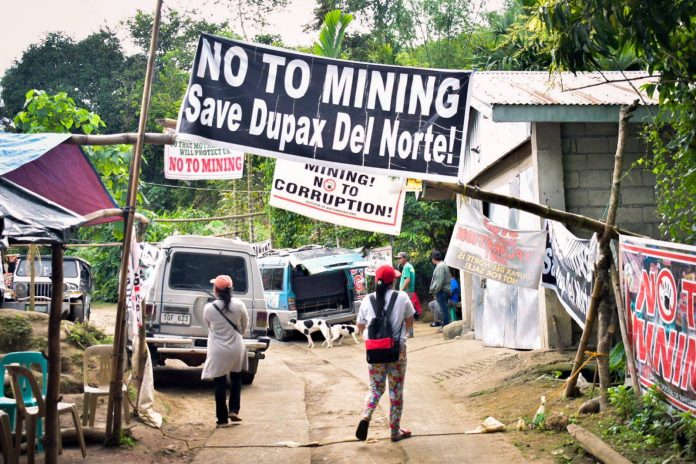
Addressing residents maintaining barricades against the project, Caritas Philippines said their struggle reflects a deeper moral question about who is excluded from decisions made in the name of development.
“Justice does not begin with permits, but with people.”
The organization urged the faithful, civil society groups, and the wider public to remain vigilant and united, calling the defense of life, land, and dignity “a shared moral responsibility.”
“To the people of Dupax Del Norte, we say: you are not alone,” the group said. “They may dismantle barricades, but your rights remain.”