
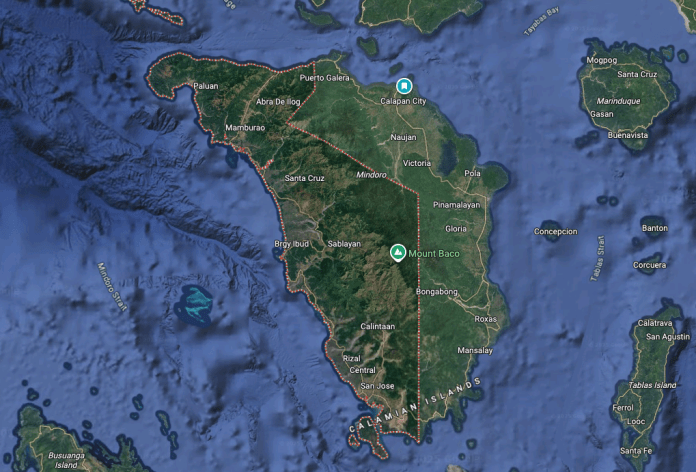
The Philippine Movement for Climate Justice (PMCJ) has condemned the Supreme Court’s (SC) decision declaring the 25-year moratorium on mining in Occidental Mindoro unconstitutional, warning it undermines local autonomy and the rights of climate-vulnerable communities.
In May, the SC struck down the provincial ban, ruling that local government units (LGUs) cannot impose policies that override national laws such as Republic Act No. 7942, or the Philippine Mining Act of 1995, which centralizes mineral resource control under the national government.
PMCJ called the ruling “an appalling reversal of significant steps made by climate-vulnerable communities who are determined to take back their future from the current situation of ecological degradation, displacement, cultural loss, food insecurity, and health issues caused by the irreversible consequences of mining.”
The group said the decision “sets a bad precedent that an LGU’s local autonomy and vested mandate to uphold the health, security, well-being, and interests of its constituents can easily be set aside when the bottom line of mining companies is threatened.”
It accused the SC of “legal bullying” and “misplaced” use of authority, saying “legal intimidation is a common reproach used to de-mobilize communities that embrace climate justice and other just causes.”
The Occidental Mindoro ban, also enforced in the municipality of Abra de Ilog, was first challenged by Agusan Petroleum and Mineral Corporation, which holds a Financial or Technical Assistance Agreement allowing large-scale mining in partnership with the government.
PMCJ criticized the court for affirming that efforts to halt mining could violate the Constitution’s non-impairment clause and the Regalian Doctrine. “The SC unfortunately does not recognize the mining ban as a righteous and necessary response to the mining companies’ exploitation of local ecosystems and mining-affected populations,” it said.
The group argued the case reveals “how neoliberal economic policy and the centralization of state power work together to ensure that profit and corporate interests take utmost precedence over the pressing societal demand for climate justice.”
Calling the Mining Act “a bastardization of the state’s duty to the Filipino people,” PMCJ urged its repeal or radical amendment to remove provisions that “legalize harm to community welfare and ecological integrity.”
It also called for the passage of the People’s Just Transition Mineral Management Bill, which would strengthen Free, Prior, and Informed Consent, embed strong environmental safeguards, and support ecological restoration alongside national industrialization.
PMCJ said LGUs, communities, and indigenous peoples must be “further capacitated to critically assess and oppose environmentally harmful projects” and supported with “accessible legal aid, scientific, and grassroots governance and civic action.”