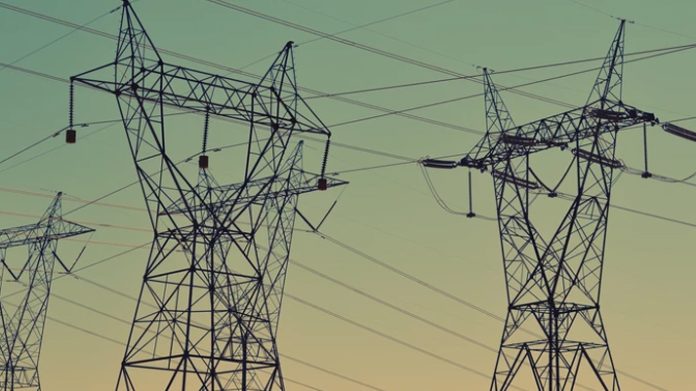
Yellow alerts across the Luzon and Visayas grids have exposed the Philippines’ heavy dependence on a few large power plants, prompting calls for a shift to renewable and decentralized energy systems.
The Institute for Climate and Sustainable Cities (ICSC) said the April 16 alerts point to a deeper structural problem, warning of “a recurring vulnerability in the Philippines’ power system” as the energy sector “remains baseload-centric and relies on large power plants, making the grid more exposed to disruptions that affect Filipino households and businesses across the country.”
The alerts were triggered after unplanned outages hit major liquefied natural gas facilities, including the Excellent Energy Resources, Inc. and Ilijan plants, alongside reduced output from other generating units.
The disruptions briefly cut supply but exposed how quickly the system can tighten when a few large plants go offline.
“Even short-term outages or plants operating below normal capacity can quickly reduce available reserves and affect grid stability,” ICSC said.
The National Grid Corporation of the Philippines reported that outages and plant derations led to the loss of 5,137 megawatts of baseload capacity in the Luzon grid, with the impact spilling over to the Visayas grid, which relies on power imports from Luzon and Mindanao.
While scheduled maintenance at hydropower facilities also reduced supply, ICSC said a significant share of unavailable capacity came from LNG-fired plants, underscoring the system’s reliance on a limited number of major generating units.
“This underscores how closely overall system conditions are tied to the performance and location of major generating units,” the group said.
The think tank warned that the Visayas grid remains particularly exposed due to its dependence on high-voltage direct current imports, leaving it vulnerable when supply in Luzon tightens.
ICSC urged policymakers to address recurring grid instability by shifting toward a more decentralized and diversified energy system.
“To break the cycle of grid alerts, the Philippines must move towards a more decentralized, diversified, and flexible power system, where the outage of a single facility does not put the entire grid at risk,” it said.
The group added that expanding renewable energy sources such as geothermal, hydropower, solar, and wind, supported by energy storage, would strengthen resilience and reduce exposure to volatile global fuel markets.
“A system built on diversified, distributed, and flexible resources minimizes single points of failure, and it provides a more stable foundation for affordable, reliable, and secure electricity for all Filipinos,” ICSC said.