
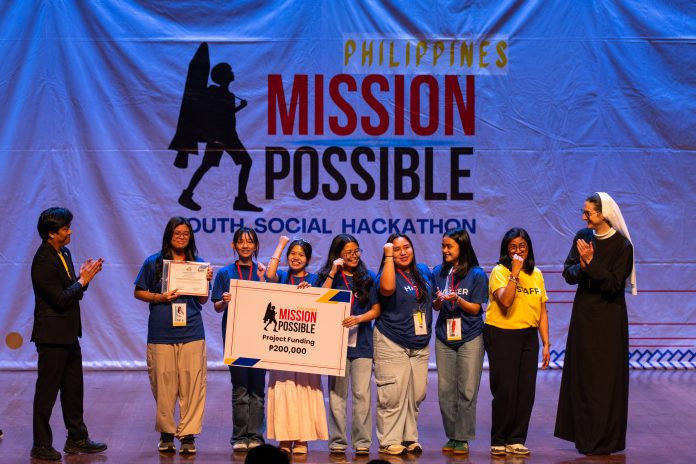
At the MISSION POSSIBLE Youth Social Hackathon in the Philippines, young people didn’t just share opinions – they designed real solutions.
For the Assumption Antipolo team, that meant turning a “safety pin” concept into a lifeline for commuters — proof that when youth are trusted, they build more than ideas, they build hope.
The all-girl group emerged as the top winner of the three-day hackathon jointly organized by Assumption Antipolo and LiCAS.News, besting participants from Catholic schools across the Philippines.
Their project that involves a safety pin proposes a small, wearable device that allows commuters — especially women and children — to signal distress or danger while traveling.
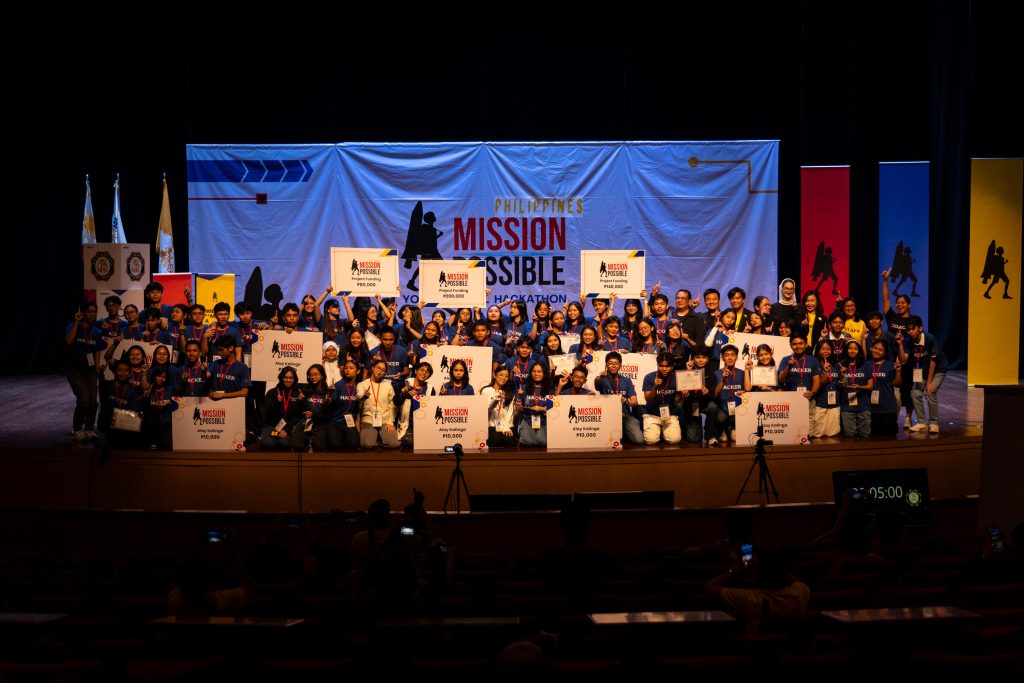
Receiving the highest funding of PHP200,000, the student hackers from Assumption Antipolo impressed the judges with their practical yet innovative solution that combined pre-existing technology, community engagement, and accessibility.
The concept stood out for its potential to translate easily into a real-world safety system that can be adapted for local transport conditions.
“I believed so much in our project and in the hard work that we did,” said Mikaia Raine Sanchez, one of the youth hackers of Assumption Antipolo.
She noted that several other pitches were very strong and that there would have been no shame in losing to them. As the reality of their win set in, a sense of duty quickly replaced celebration.
“First things first, we need to do deeper research,” Sanchez said. “While creating the pitch, our research was quite surface-level because we didn’t have much time. Now, we need proper facts and statistics to make sure we can really produce the product we want.”
At the heart of their proposal is the PasaHERO Movement, a campaign designed to empower everyday pasahero — or commuters — to take an active role in their own safety and community care.
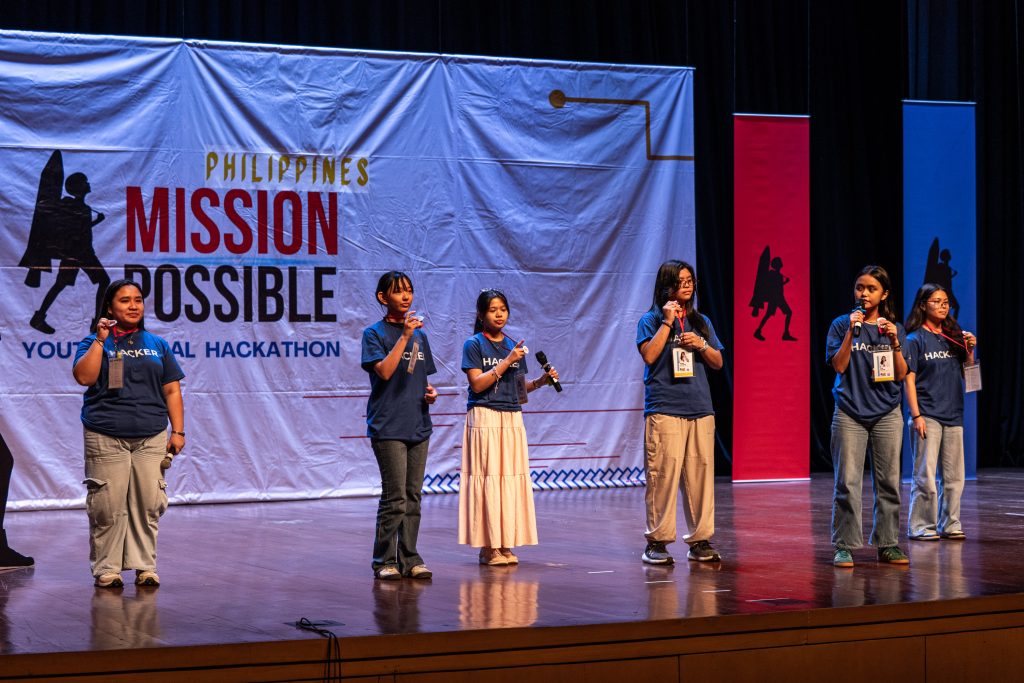
Through a seminar series titled “Commune and Commute,” the team aims to equip passengers with knowledge and awareness to make their daily journeys safer and more meaningful.
The “safety pin” functions as a discreet commuter alert system, connected to a network of fellow PasaHEROES in nearby areas — emphasizing solidarity, vigilance, and community care in public spaces.
The project also confronts a deep social reality: public transportation in the Philippines often exposes commuters, especially women and minors, to harassment and manipulation.
By connecting technology with community education, the students hope to shift the commuting experience from vulnerability to empowerment.
As they said in their pitch, “We strive to empower every individual to be more than just a commuter — to be a PasaHERO.”

The MISSION POSSIBLE program was first launched in Thailand in 2024 as part of a regional effort to engage students in social innovation through faith and dialogue.
Its Philippine edition continues that spirit of synodality — encouraging young people to walk together in responding to the challenges of their communities.
Organizers described it as “a living expression of synodality” and “a laboratory of hope” — a space where ideas meet empathy and faith takes form in action.
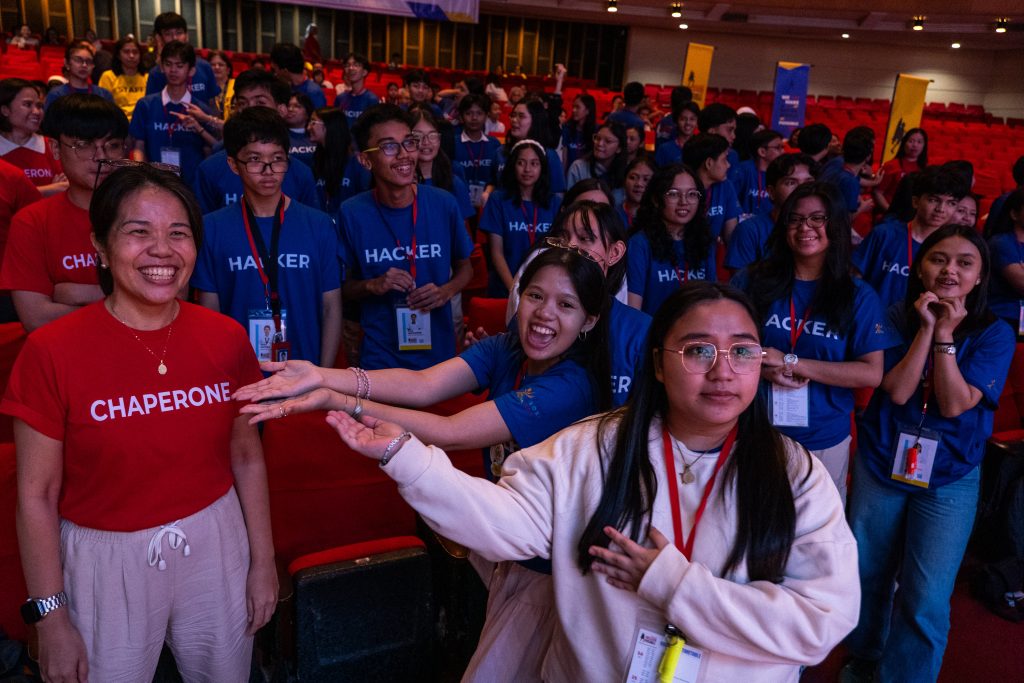
The hackathon gathered student innovators, educators, and mentors who explored how Catholic education can translate compassion into concrete social impact.
Their roadmap begins with prototype development, followed by outreach to engineers, NGOs, and local schools.
“We believe Assumption Antipolo will also help us implement this,” Sanchez added. “Right now, our focus is in Rizal and Luzon, but if the movement grows, we can reach Visayas and Mindanao, especially through the Assumption network.”
The MISSION POSSIBLE hackathon also highlighted the depth and diversity of youth-led ideas.
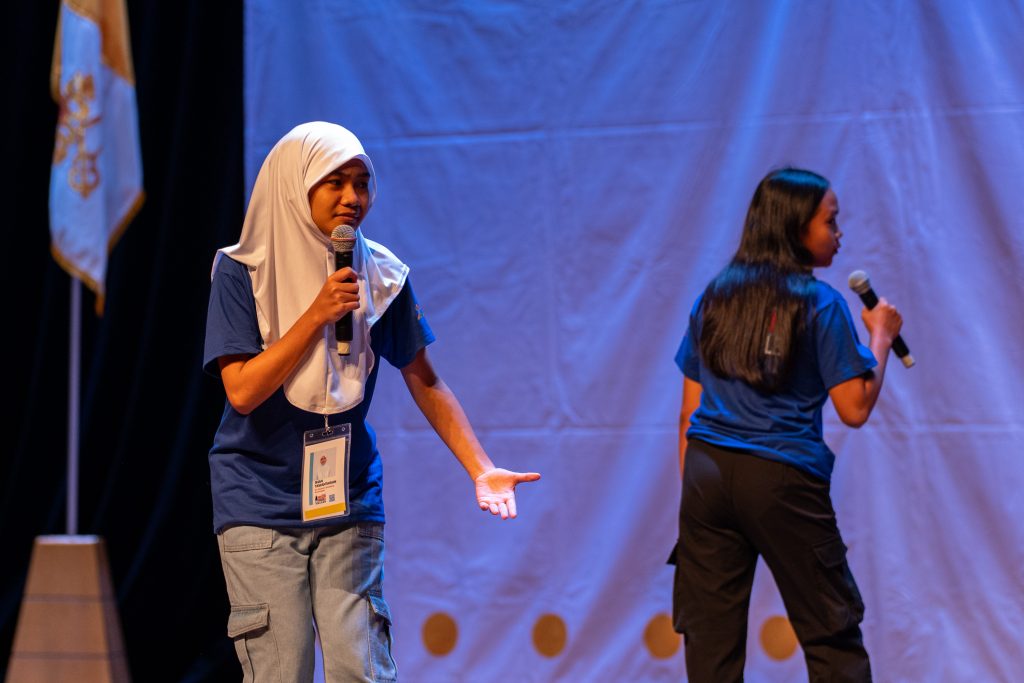
From St. Vincent’s Academy in Kauswagan, Lanao del Norte, student hackers from the Maranao community courageously challenged stereotypes and prejudice.
Their presentation asked, “What do you really know about me? What do you really know of Maranao? Is it just this veil?”
Their proposal sought to plant the seed of interreligious understanding and empathy, taking inspiration from the hackathon’s expert mentors to build peace “starting from the mind.”
Meanwhile, student hackers from Assumption San Lorenzo took the moonshot of tackling food waste in farming ecosystems.
Their pitch proposed a new system connecting farmers with key stakeholders so that crops typically rejected and discarded could still have economic value.
Teacher-chaperone Mermey Salazar of Assumption Antipolo said the experience proved how youth imagination flourishes when adults step aside and let students take the lead.
“Sometimes, from the point of view of adults, we think of the constraints first before we go for it,” she said. “But I realized the young ones are unafraid to dream big. We must be doing something right as Catholic educators if we see young leaders like this.”
Salazar said the school will support the team in building networks with professionals and organizations. “If this project responds to a real need in other communities, the sisters and our partner schools will be very supportive,” she added.
For School Director Marie Grace Magtaas, the victory marks both a milestone and a mandate. She said the challenge for the team now shifts from competition to implementation — transforming their winning concept into real-world impact.
Magtas emphasized that lasting change “will require more than securing the largest funding.” True success, she said, lies in sustained commitment, careful planning, and a deep understanding of the complex realities faced by public commuters.
She described the journey ahead as demanding but full of promise — “a moonshot worth taking,” rooted in hope and guided by faith in the students’ ability to bring their vision to life with the community’s support.
Dr. Peter Rachada Monthienvichienchai, executive director of LiCAS.News, said the event affirmed what can happen when young people are trusted to lead.
“The student hackers have once again exceeded even our highest expectations,” he said. “They surprised us with their courage in the issues they chose to tackle. They gave all the organizers, experts, and coaches tremendous hope for the future with the moonshots in their pitches.”
What began as a five-minute pitch has become a mission rooted in faith, service, and imagination — a testament to what happens when young people are not just heard but trusted to lead.