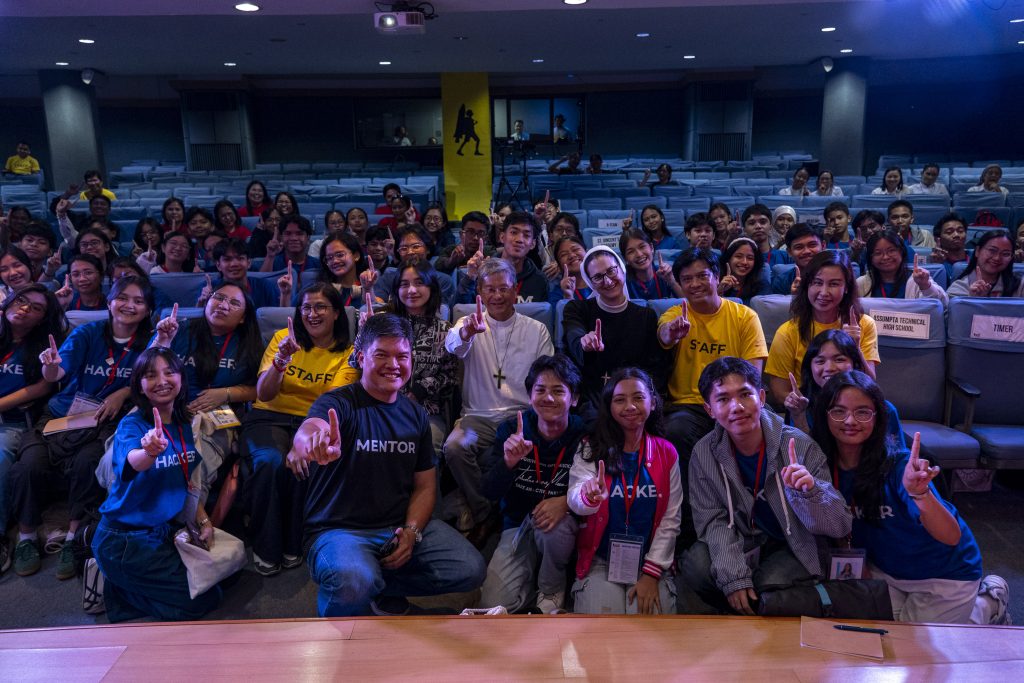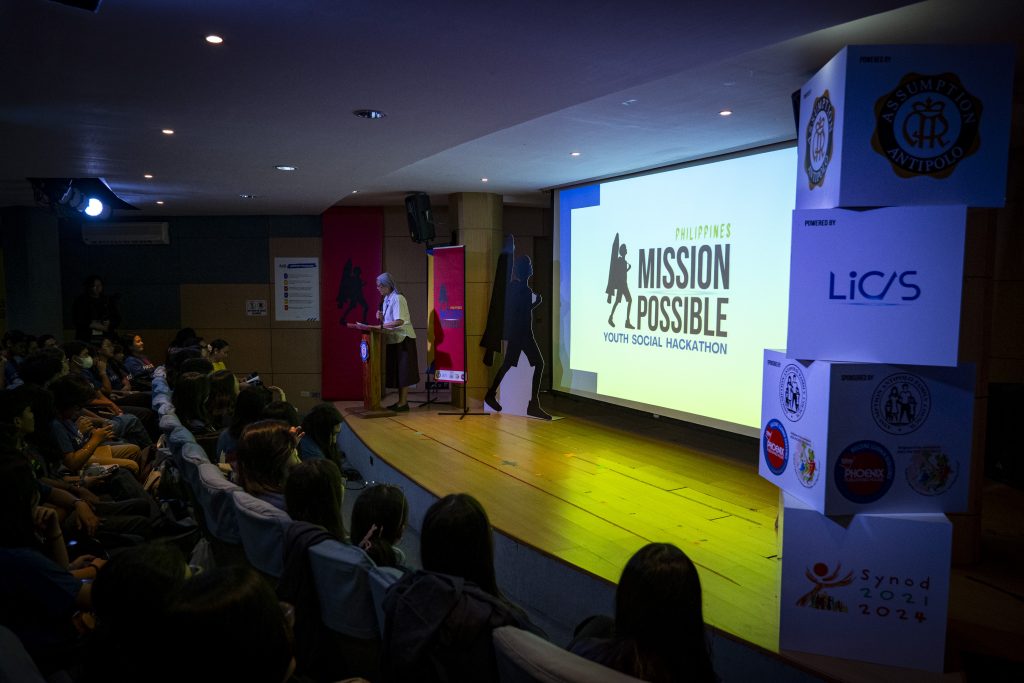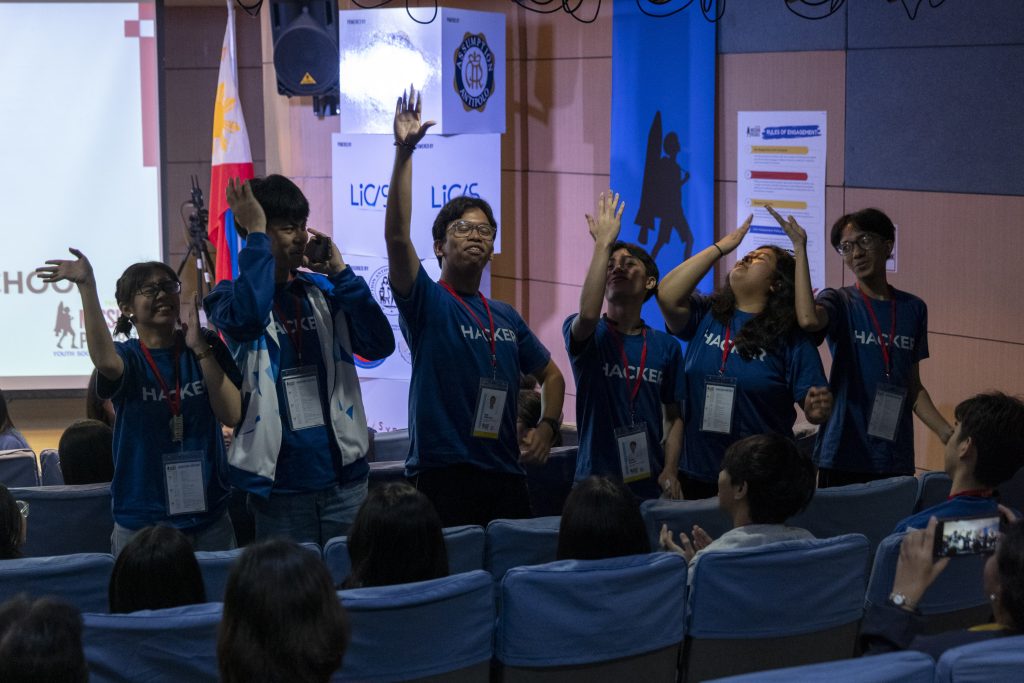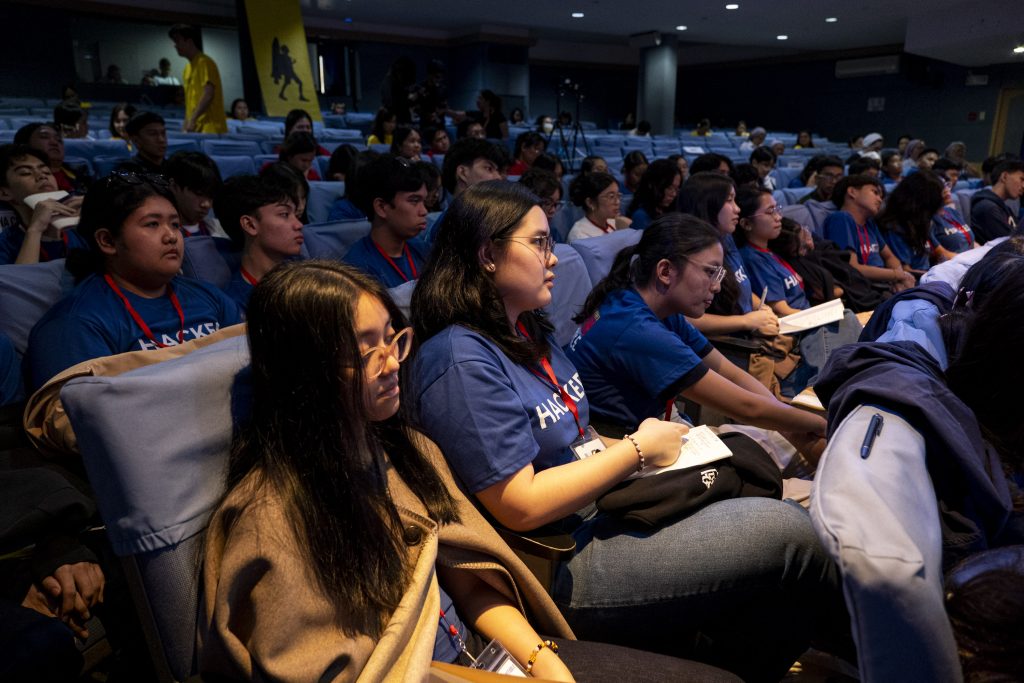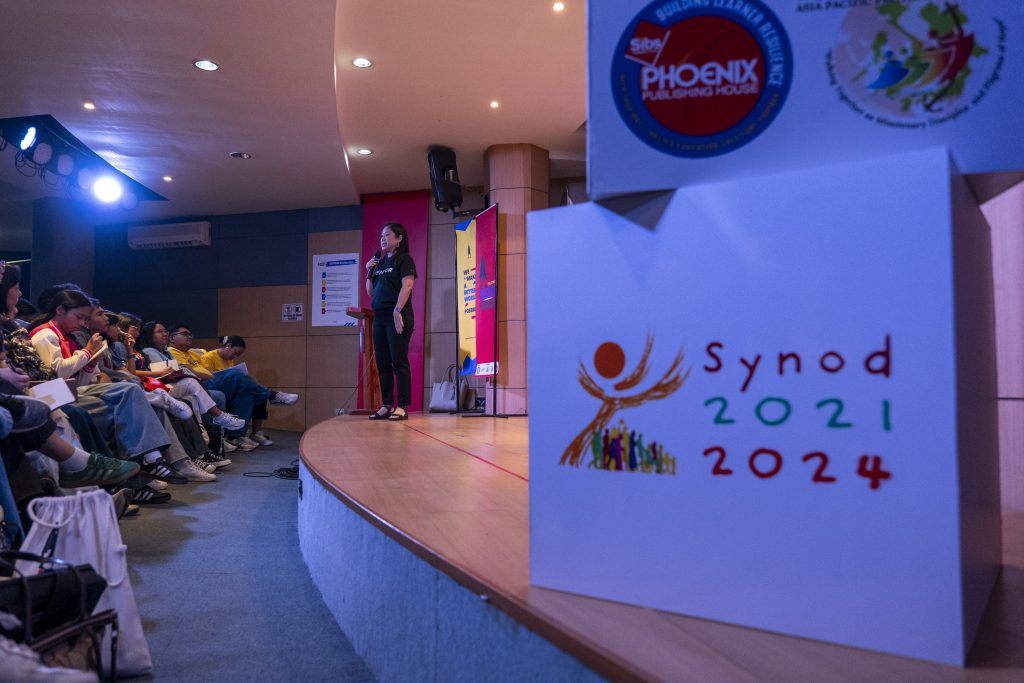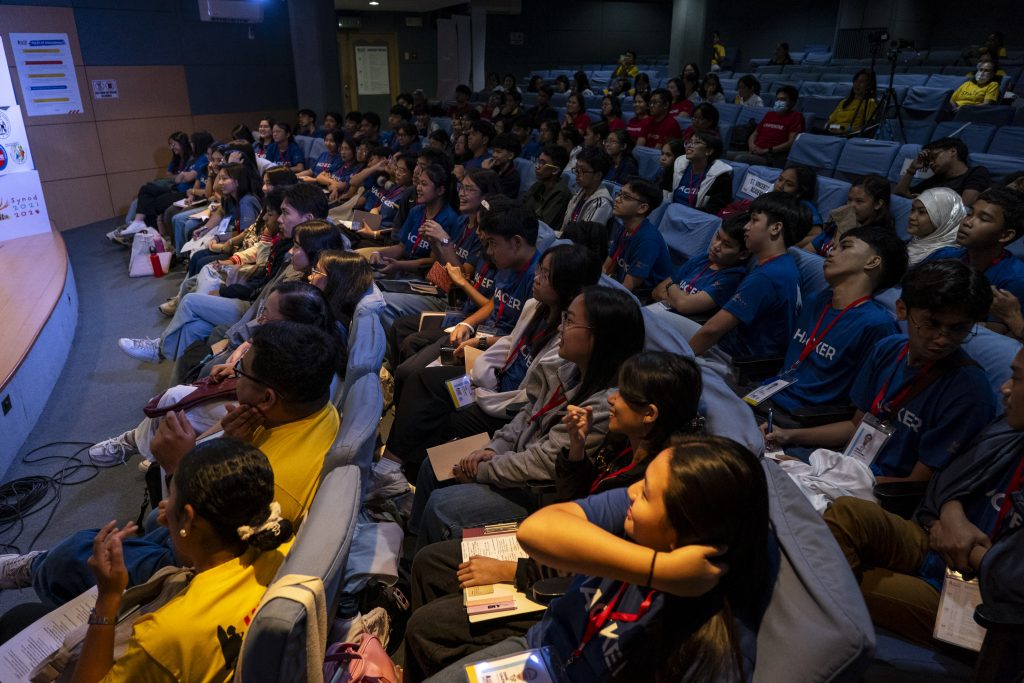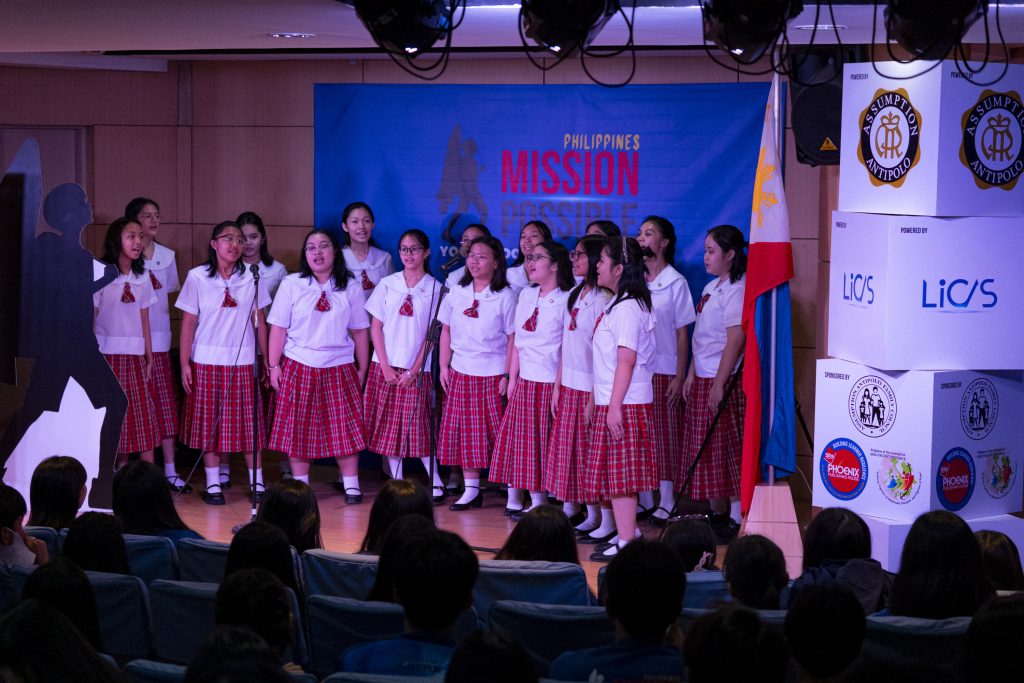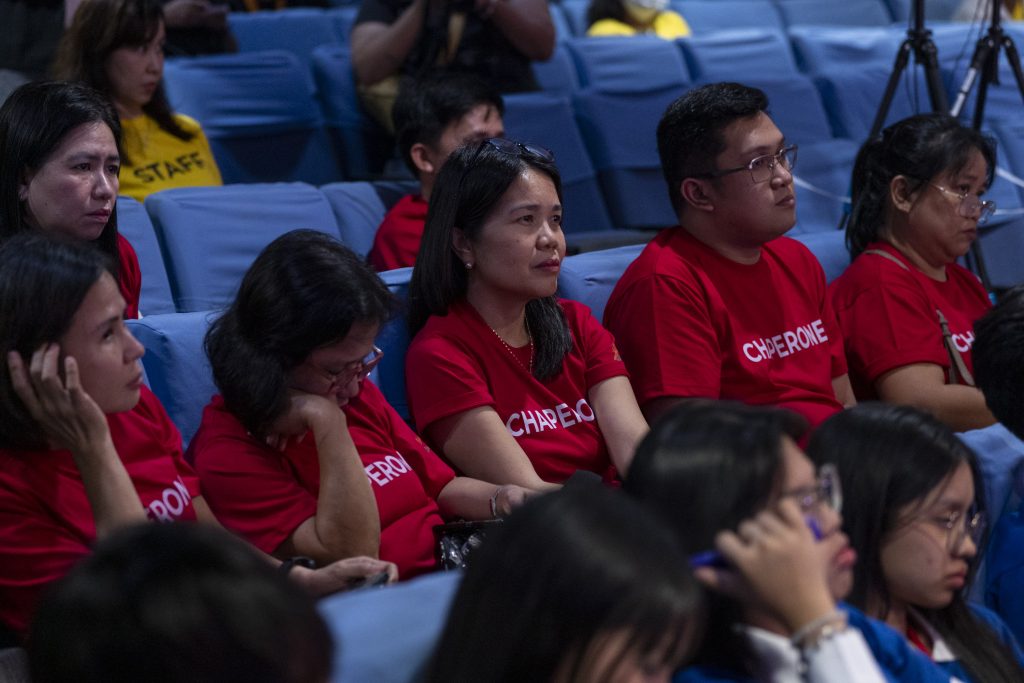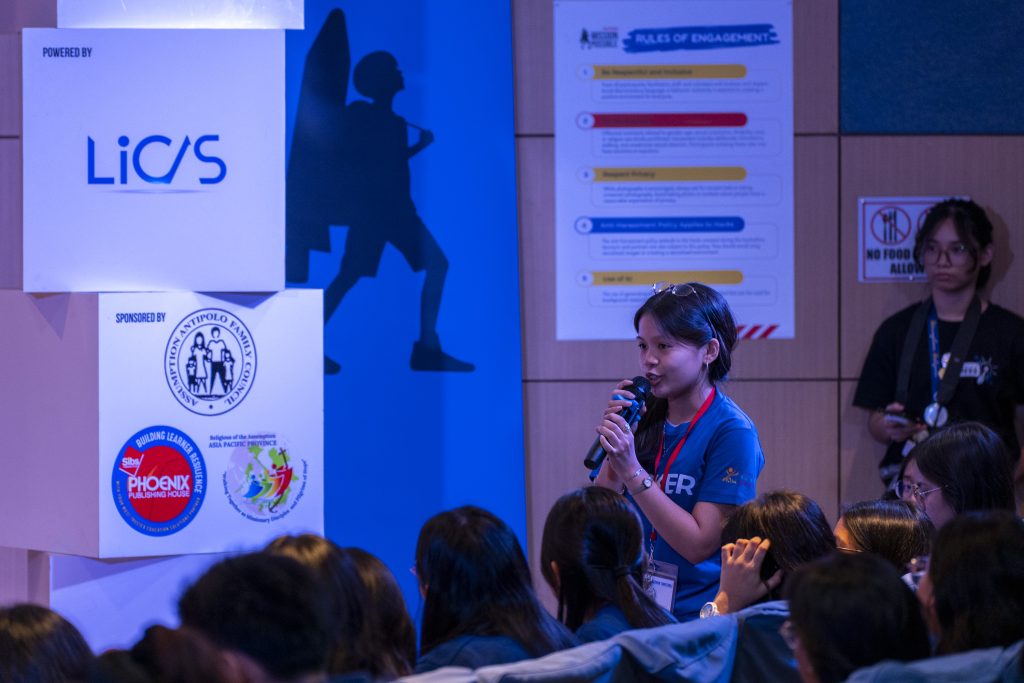
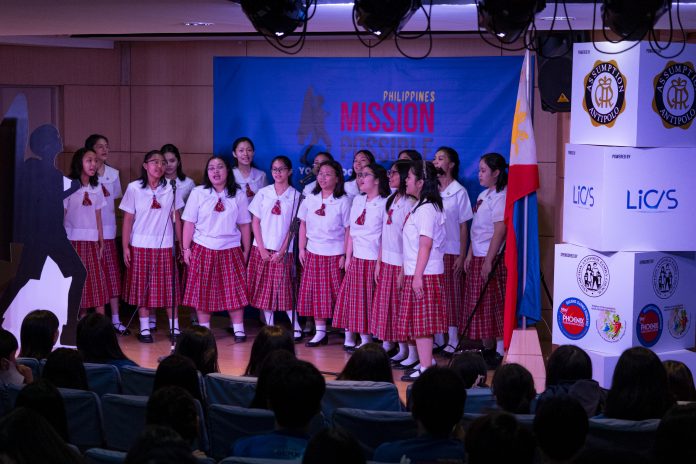
A three-day extensive youth social hacking has opened in the Philippines, gathering students from 12 schools to tackle pressing social issues in a spirit of synodality.
The event, codenamed MISSION POSSIBLE Youth Social Hackathon, which runs from October 24 to 26, was co-organized by Assumption Antipolo and LiCAS News to engage young people in developing creative, faith-driven responses to the social realities that affect their communities.
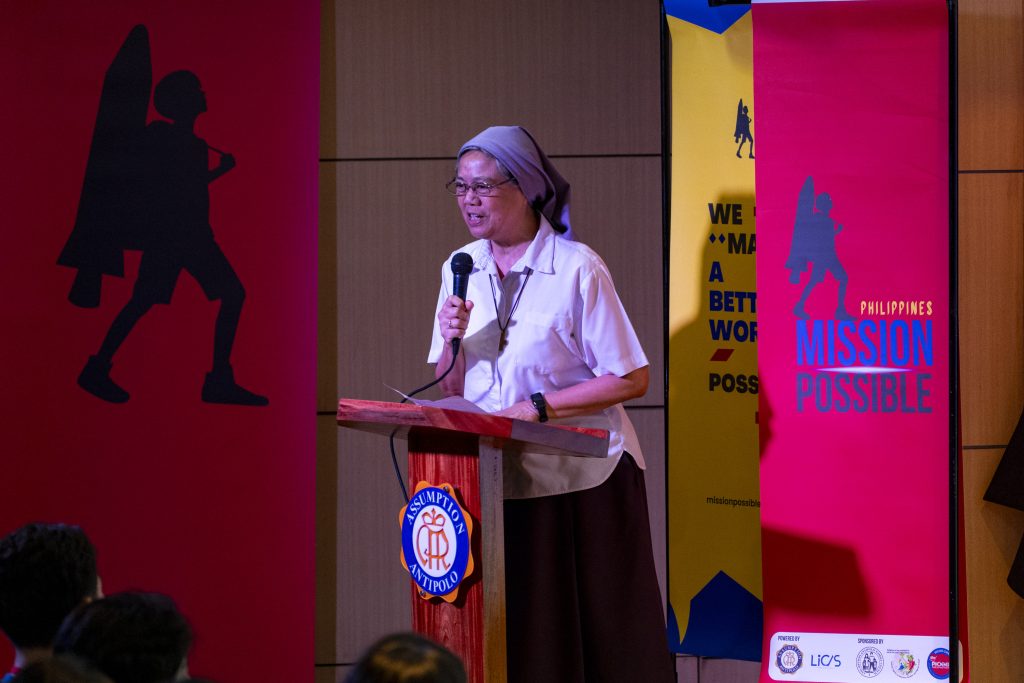
“It is a time to dream together, to listen to one another, to discover how you can build bridges of hope and change,” said Sr. Mary Joseph Concepcion, RA, Superior of the Assumption Antipolo Community, in her opening message.
The Philippine edition follows the two seasons of the Hackathon held in Thailand in 2024 and 2025. Like the pioneering runs, the Antipolo gathering invites students to “journey together” — a hallmark of synodality — as they listen, discern, and act collectively on issues affecting their schools and communities.
A school mission amplified
For Marie Grace Magtaas, School Director of Assumption Antipolo, hosting the first Philippine edition was “an inspired journey.”
“We saw that it was a project worth pursuing,” she said. “Because that is, basically, our mission as a school — youth empowerment. We felt that this would really amplify that mission, not just through our students but also through the involvement of others.”
– Newsletter -Subscribe to Spotlight, our daily newsletter.
She said what made the initiative possible was the “confidence in how this community would take it on,” adding that “this is Assumption Antipolo — and it’s not just the school. When we talk about the school, we don’t just mean the administration or the teachers. We have the students, the family council, the alumnae — even the ‘old girls.’”
Magtaas described the project as a “whole-school effort embraced by the entire community,” noting the support of the Asia-Pacific Province of the Religious of the Assumption and the local diocese, which endorsed and helped identify participating schools.
“Everything just unfolded very smoothly,” she said. “It was difficult, yes — putting it all together, coordinating remotely with LiCAS News — but when you believe in what you’re doing, it’s worth pursuing.”
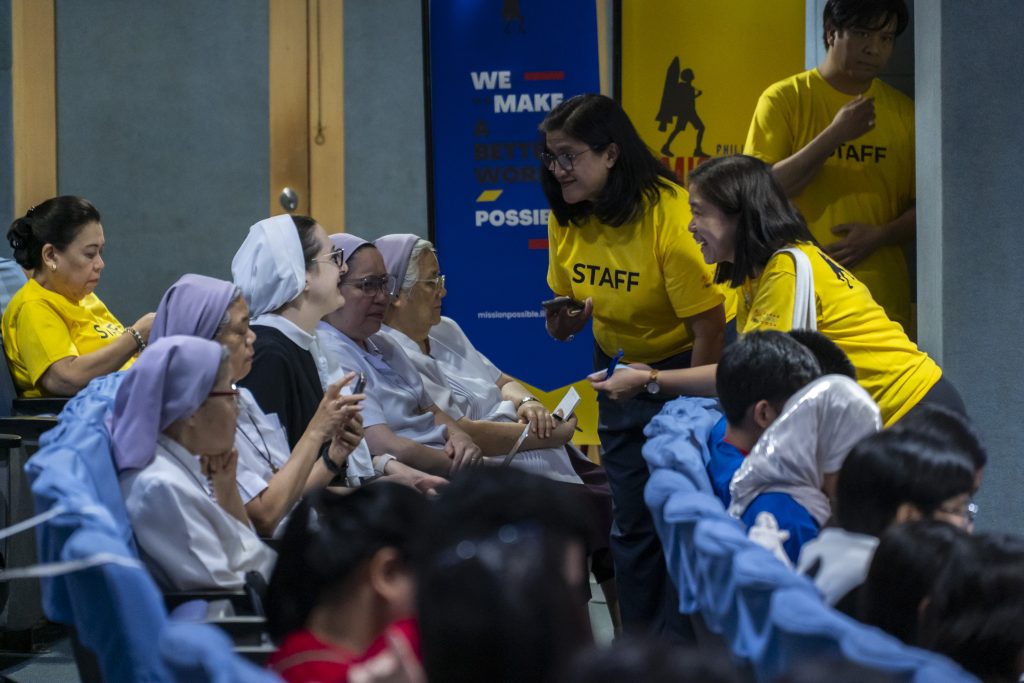
Building bridges and builders
The hackathon encourages participants to identify real social problems and propose innovative solutions through collaboration, dialogue, and faith-based reflection.
“You will be builders — not just participants. You will be builders of peace, of compassion, and understanding,” Sr. Mary Joseph told the participants, affirming the youth’s role as co-creators of positive change.
Sr. Mary Joseph emphasized the importance of openness and faith, urging participants to let their actions become instruments of change and hope for the world.
“We are super excited to be launching for the first time in the Philippines MISSION POSSIBLE Youth Social Hackathon,” said Peter Monthienvichienchai, Executive Director of LiCAS News.
“As we did for the first season of the hackathon in Thailand, we are once again challenging the children to take the moonshot — to make a radical difference to their community while taking inspiration from the Synod on Synodality — to listen with the ears of the heart,” he added.
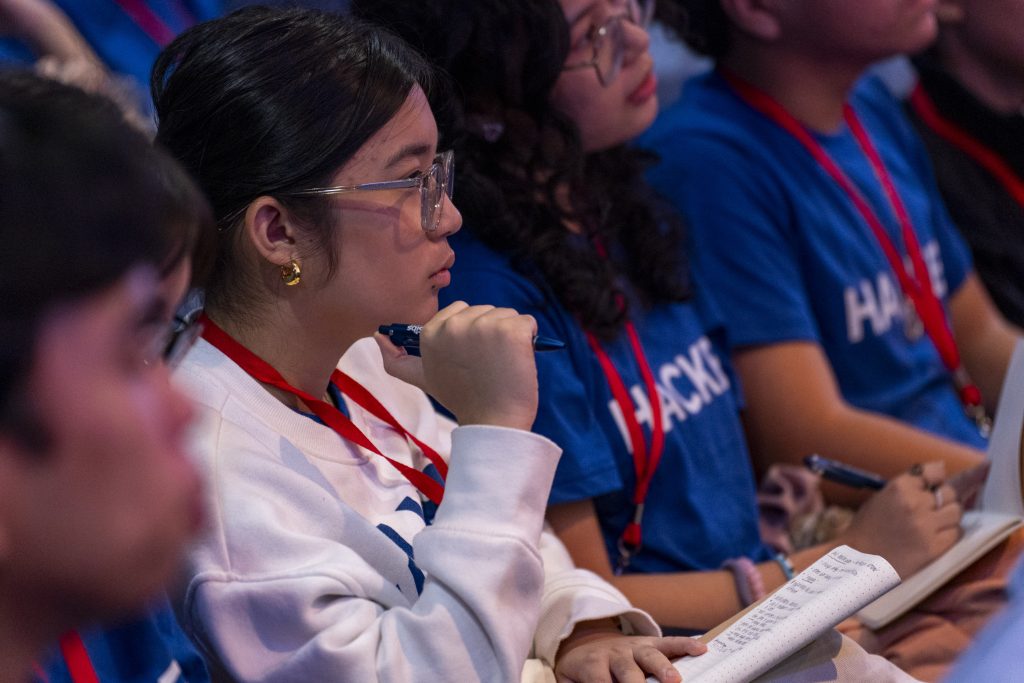
Monthienvichienchai noted that the Philippine participants displayed contagious energy and creativity from the first day, actively engaging with mentors and showing strong potential to deliver inspiring pitches throughout the hackathon weekend.
He also commended the host institution’s example of collaboration, saying, “The hosting school themselves, Assumption Antipolo, have practised synodality in connecting with their community to make Mission Possible happen.”
“The whole community has really come together to not only make today possible, but to also do it in a uniquely Filipino way,” he added.
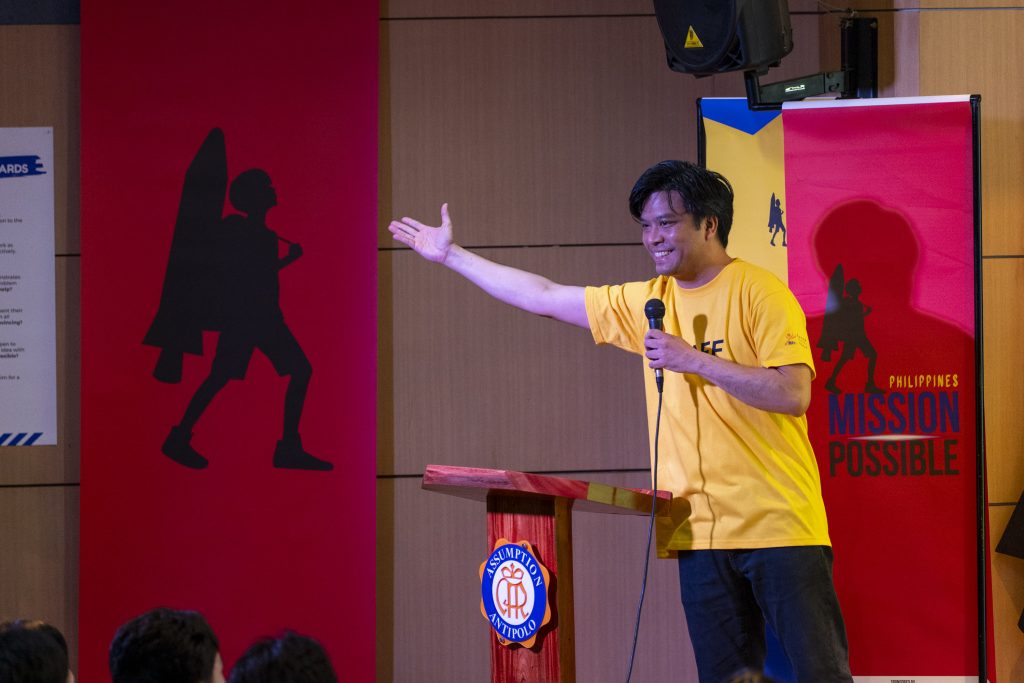
Hackathon with a mission
Throughout the three-day program, students are guided by mentors and pitching coaches — practitioners in social innovation and community development — who accompany them in refining their ideas.
The goal goes beyond creating project proposals; it seeks to form young changemakers capable of translating their insights into concrete action when they return to their schools and communities.
For Magtaas, the excitement “keeps building up.” She said hearing from students on the first day gave her a sense of “a spark that will ignite deeper inspiration for the next two days.”
“I just can’t wait,” she said. “There’s great anticipation for what they’ll come up with — a burst of inspiration they’ll draw from one another and share with those who’ll listen to them.”
She added that Assumption Antipolo is open to hosting future editions or even developing a localized version that could include public schools.
“Those who know about it are already inspired. It’s very promising. And I feel this is really the time of the youth, especially with what’s happening in the country,” she said.