Speaking at a United Nations Committee joint discussion in New York dedicated to the Eradication of Poverty and to Agriculture development, food security and nutrition, Archbishop Gabriele reflected on a series of indispensable requirements for sustainable development and the fight against poverty and hunger.
Hunger lingers on
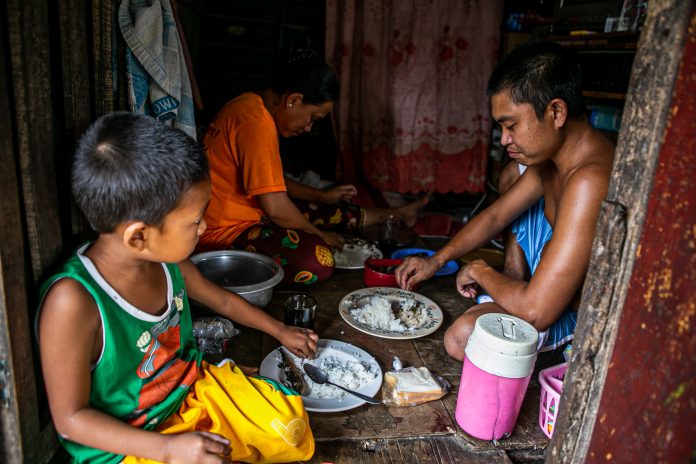
Basing his argumentations on statistics showing that globally more than 800 million people live in extreme poverty and one in every 12 people suffer from hunger, the Holy See’s Permanent Observer to the UN highlighted the uncomfortable contradiction that we face even with advancement in technology and economy.
“These statistics do not reflect the profound human suffering reflected in our families and communities, as poverty and hunger can not be measured by statistics, they represent a serious outrage to the integral God-given dignity of the human person,” he said.
The archbishop also drew attention to the fact that this reality impacts a person’s fundamental human rights – the right of life – and is a failure of the international community.
“Our efforts to eradicate poverty and hunger must be grounded in the imperative of protecting human dignity and pursuing integral human development for all,” he said.
Poverty eradication
In his just-released Apostolic Exhortation, Dilexi te, Pope Leo XIV has expressed concern that “Financial resources and innovative technologies are being diverted from the eradication of poverty and hunger in the world to the manufacture and trade of weapons.”
This, the archbishop said, is a painful contradiction that resources that should be used to nourish, educate, and heal instead cause further pain and suffering.
He noted that this subversion of priorities not only prolongs the suffering of those living in poverty but also fuels conflict and instability.
Appeal
Archbishop Gabriele Caccia emphasized that poverty is not inevitable and can only be eliminated when structural causes are identified and addressed, through international cooperation and coordination, global solidarity, and actionable measures taken, creating conditions that enable people to flourish in every dimension of life.
Measures such as investing in quality education, creating opportunities for decent work, and establishing comprehensive social protection systems are to be taken to promote economic welfare.
This article was originally published on Vatican News. All copyrights reserved to the Dicastery for Communication – Vatican News. Unauthorized republication by third parties is not permitted.