Mainline Protestant churches in the Philippines have condemned large-scale corruption in government flood-control projects, describing it as a symptom of “systemic rot” that erodes public trust and deepens inequality.
The United Church of Christ in the Philippines (UCCP) warned that corruption is “not an isolated aberration but a symptom of a deeper malignancy infecting all branches of governance.”
“We, the Council of Bishops of the United Church of Christ in the Philippines, with heavy hearts and moral urgency, denounce the rampant corruption embedded within government agencies, particularly the recent scandal involving the Department of Public Works and Highways (DPWH),” the UCCP said in a pastoral statement on September 9.
The UCCP bishops said corruption in flood-control projects and the diversion of aid intended for the poorest illustrate how graft thrives at all levels of government, sustained by networks of complicity involving elected officials, bureaucrats, and both past and present administrations.
Calling the scandal “not an isolated failure but systemic rot,” they urged churches and faith communities to unite in “reflection, dialogue, and collective action—so that together, as one moral and prophetic voice, we may confront corruption, demand accountability, and advance justice and the common good.”
The Board of Church and Society of the United Methodist Church (UMC), in a September 7 statement, condemned the “widespread corruption in flood control projects.”
“God does not want dishonesty and abhors corruption, therefore we must unite to stand, act, and oppose these practices!” the church leaders said.
The Methodist leaders urged the government to pursue a full investigation into the anomalies in flood-control projects.
They stressed that accountability should extend to the Department of Public Works and Highways, the Philippine Contractors Accreditation Board, both houses of Congress, other concerned agencies, as well as private individuals involved.
The Methodist Church affirmed the church’s commitment to stand in solidarity with affected communities by protecting creation, defending the oppressed, and resisting all forms of corruption that cause suffering among the people.
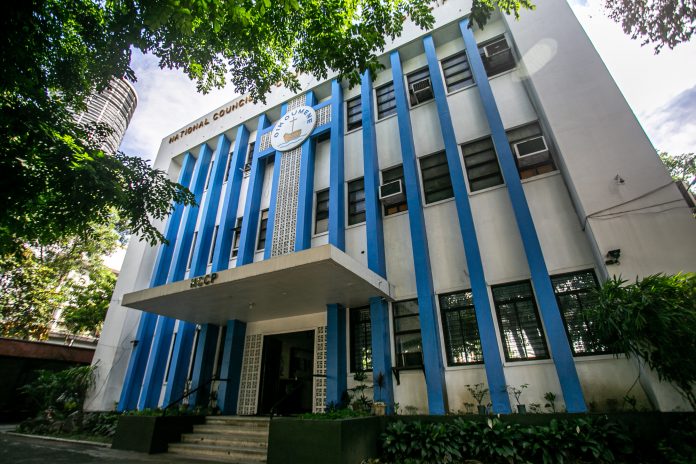
The National Council of Churches in the Philippines (NCCP) also issued a statement on September 6 condemning the “deeply entrenched evil that is corruption in government, now laid bare in the issue of flood control projects.”
“What should have protected the lives of the Filipino people from torrential rains have instead exposed the bitter historical reality of corruption and the unholy collusion between politicians, contractors, and government agencies,” it said.
The NCCP urged the creation of an independent body capable of conducting swift and thorough investigations, with the authority to hold accountable all those involved in corrupt practices, regardless of political affiliation or connections.
It also demanded that “all government officials undergo lifestyle checks and release their Statement of Assets, Liabilities, and Net Worth (SALN) for public scrutiny.”
Earlier, the Catholic Bishops’ Conference of the Philippines (CBCP) urged young Filipinos to take the lead in exposing anomalies in flood-control projects.
In a pastoral letter on September 8, the bishops said the youth “hold the keys to a new culture” where truth and accountability can thrive.
“Expose injustice, share facts, demand reforms. Make corruption shameful again,” the letter read.
The CBCP denounced kickbacks of up to 60 percent in public works funds, saying, “Shame must be inclusive: legislators, district engineers, government auditors, and political patrons also share in the plunder.”
“Survival cannot be the standard of our politics,” the bishops added, quoting Christ’s words: “I came that they may have life, and have it abundantly” (John 10:10).
Both Catholic and Protestant leaders stressed that systemic corruption undermines justice, perpetuates poverty, and demands vigilance from citizens and faith communities alike.