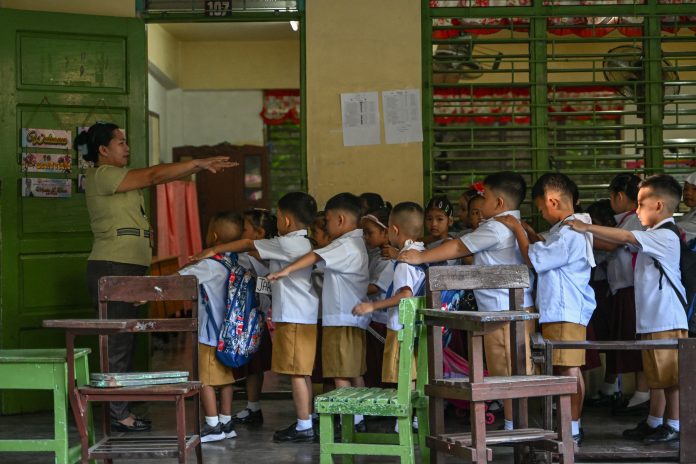
The Philippine government has assured the country’s Catholic bishops that it is committing billions of pesos to tackle what church leaders have described as a national crisis in child nutrition and education.
In a letter dated August 14, the Department of Budget and Management (DBM) told the Catholic Bishops’ Conference of the Philippines (CBCP) that it has “already taken steps to address the items enumerated” in the bishops’ recent call to action.
DBM Undersecretary Margaux Salcedo said more than ₱1 billion (about US$17 million) was released in April to establish Child Development Centers in 328 local government units.
“As of June 2025, 182 National Child Development Centers have already been built,” she told LiCAS News in an interview on August 16.
The project, Salcedo said, prioritizes low-income municipalities identified by the Department of Education in line with the findings of a congressional commission on education reform.
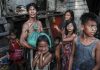
The DBM also highlighted measures to fight stunting and undernutrition, a problem affecting more than a quarter of Filipino children under five.
The 2026 national budget increases funding for the Department of Social Welfare and Development’s Supplementary Feeding Program by 18 percent to ₱6.1 billion.
– Newsletter -Subscribe to Spotlight, our daily newsletter.
At the same time, the country’s education department will receive ₱11.8 billion for its School-Based Feeding Program, which will provide meals for over three million primary school pupils.
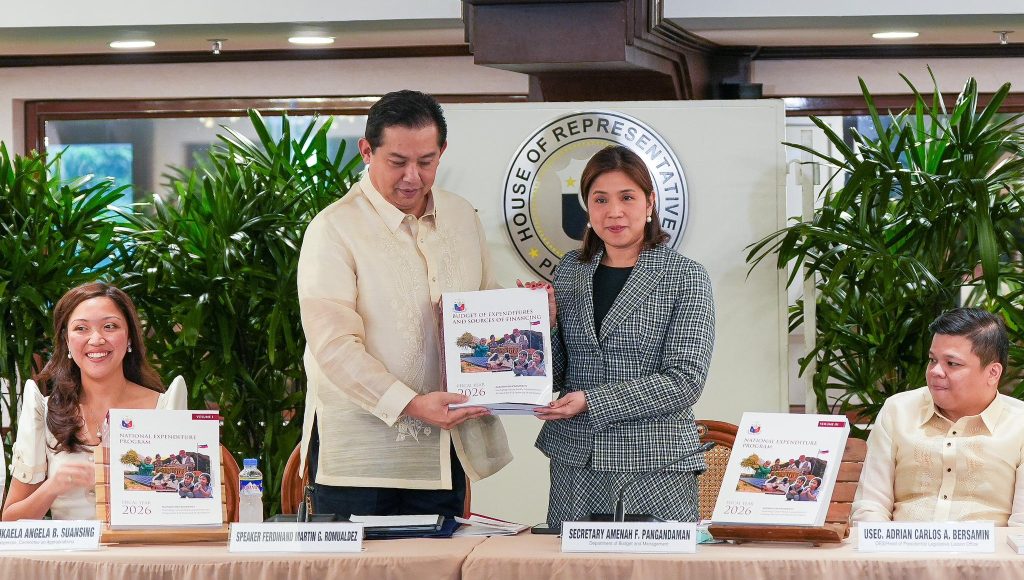
To strengthen accountability, the DBM launched a new Child Budget and Expenditure Tagging and Tracking tool, developed with UNICEF and the European Union.
According to Salcedo, the system “will also strengthen and harmonize existing efforts and investments for children, establishing a cohesive, efficient, transparent, and sustained mechanism for child-responsive public financing.”
Looking ahead, the DBM announced that the education sector will receive a record ₱1.224 trillion (around US$21 billion) in 2026.
Salcedo said this level of funding “will now meet the UNESCO Education 2030 Framework for Action recommended education spending of 4.0 to 6.0 percent of Gross Domestic Product (GDP),” and falls within the global benchmark of allocating 15 to 20 percent of total government expenditure to education.
Salcedo told LiCAS News that the DBM shares the urgency conveyed in the bishops’ pastoral letter and is working to ensure full support for implementing agencies like the Department of Education to “fix the foundations” of the country’s struggling education system.
The DBM’s assurance followed the release of a pastoral statement by the bishops after their 130th plenary assembly in Anda, Bohol, held from June 30 to July 7.
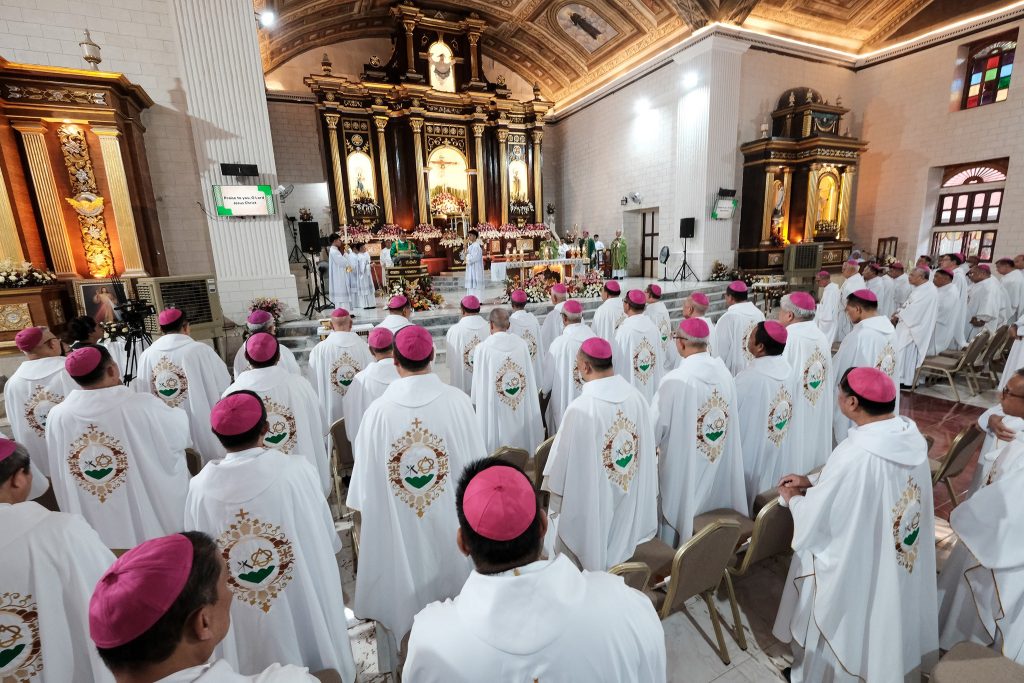
In their letter titled “Call to Immediate Action: Responding to the Crisis in Nutrition and Early Childhood Development,” the CBCP warned that the Philippines faces a deepening education crisis “rooted in severe stunting and malnutrition, low participation in child care and development, and the high number of children who are functionally illiterate.”
The bishops cited findings from the Second Congressional Commission on Education (EDCOM II), which reported that 26.7 percent of Filipino children under five are stunted—a rate higher than the global average of 22.3 percent—and that progress has remained stagnant since 2000.
They pointed out that only a quarter of Filipino children between six to 12 months meet the recommended energy intake, with many lacking protein and healthy fats needed for growth.
Participation in early childhood care remains alarmingly low, with just 21 percent of children aged three to four engaged in early learning, and even fewer among those aged zero to two.
The bishops also noted that 5,800 barangays (villages) nationwide still lack child development centers, despite legislation mandating their existence since 1990.
“These consequences are alarming,” the bishops wrote, noting that nearly half of Grade 1 to 3 students are not prepared for their grade level, 80 percent of Grade 3 students struggle with basic mathematics, and 30 percent are not functionally literate.
The letter called on the government “to take immediate action to prioritize and fully fund programs that improve the nutrition of pregnant women and children aged 0–4 … expand access to early childhood education … and immediately invest in establishing child development centers and early learning opportunities in every barangay, prioritizing municipalities with low-income communities.”
Cardinal Pablo Virgilio David, president of the CBCP, signed the statement, stressing that caring for children is both a moral duty and a national imperative.
“To delay, ignore, or fail to respond to the basic needs of our children is to delay the progress of our nation’s future,” he wrote.