A Catholic bishop in the central Philippines pressed energy officials to explain who has been held accountable for repeated power outages in the Visayas, saying consumers continue to bear the consequences when electricity providers fail to deliver.
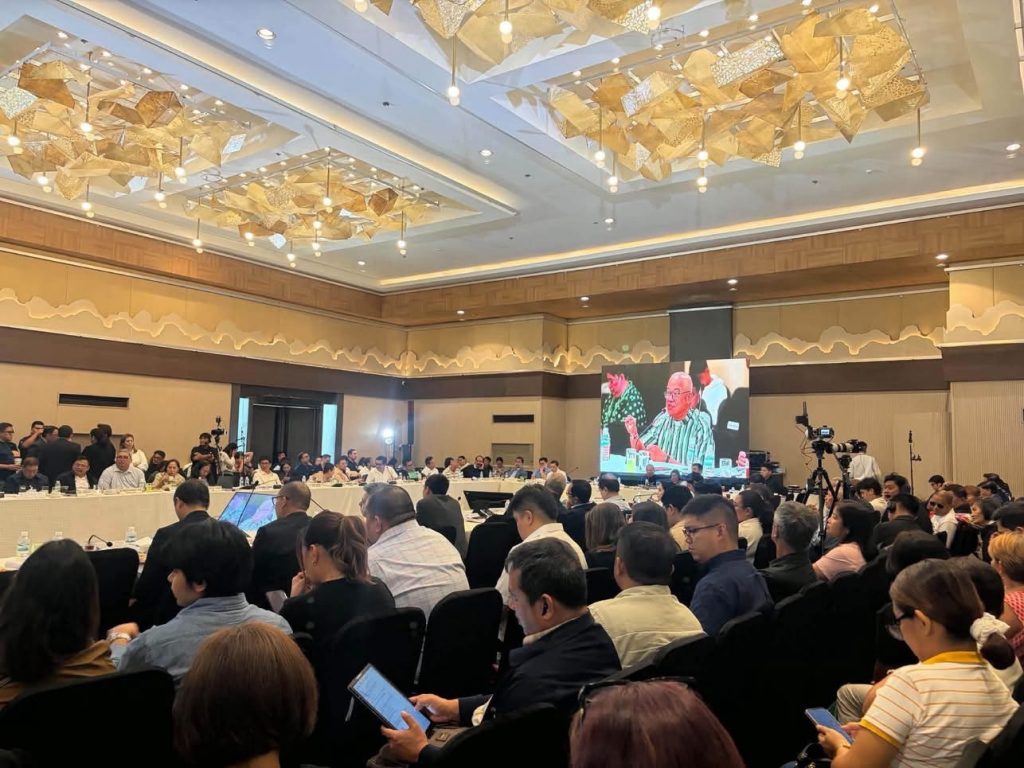
Bishop Gerardo Alminaza of San Carlos raised the issue during a joint congressional hearing on the Visayas power crisis in Bacolod City on Oct. 3, six months after the declaration of a national energy emergency.
Alminaza, who heads Caritas Philippines, questioned whether the Department of Energy was holding companies accountable when they failed to meet their commitments while consumers continued to endure rotating brownouts.
“Is the DOE as an agency able to make people accountable if they are not able to deliver their commitments?” Alminaza asked.
The prelate also sought greater transparency over the causes of the outages and the government’s response to the crisis.
“We demand for transparency, consumer protection, and clean energy for Negros,” the bishop said.
The Center for Energy, Ecology and Development (CEED) said consumers continued to face expensive and unreliable electricity despite power being an essential public service.
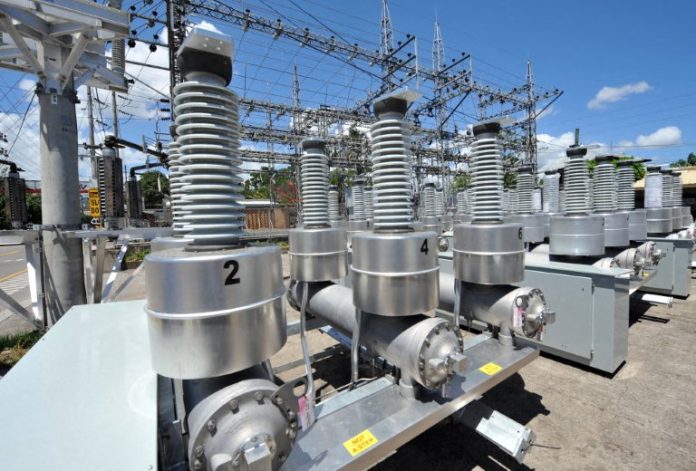
According to CEED, the Visayas grid recorded 160 yellow and red alerts from January to September 2026, with forced and unplanned coal plant outages repeatedly contributing to regional power shortages.
Therma Visayas Inc. Unit 1 was cited as a major cause of alerts 117 times, while TVI Unit 2 was cited 98 times. Panay Energy Development Corp. was cited 80 times and Cebu Energy Development Corp. 13 times.
CEED said outages at TVI Units 1 and 2 each removed 169 megawatts of capacity from the grid, while outages at Panay Energy Development Corp. meant a loss of 150 megawatts.
The group said tighter supply also exposed consumers to higher electricity prices through the Wholesale Electricity Spot Market.
Average spot-market rates in the Visayas rose from 5.22 pesos per kilowatt-hour before the May alerts to 11.58 pesos afterward.
The highest recorded WESM settlement rate for coal in the Visayas from May to July reached 45.63 pesos per kilowatt-hour.
CEED said power shortages affected households beyond electricity bills, leaving homes without lighting and electric fans and disrupting internet access and schooling. It called for generation companies operating failing coal plants to be held accountable for exposing consumers to what it described as avoidable harm.
Alminaza said the burden of an unreliable power system fell heavily on ordinary consumers, particularly poor families who had the least capacity to absorb higher costs and interruptions to basic services.
The prelate also questioned continued reliance on large centralized power plants as sources of baseload electricity when outages at those facilities could contribute to red and yellow alerts.
He urged policymakers to consider distributed energy resources and maximize renewable energy available in Negros rather than continue relying heavily on electricity transmitted from other islands.
CEED said repeated coal plant failures showed that expanding coal generation would not resolve problems of expensive and unreliable electricity. The group called instead for distributed renewable energy and stronger protection for consumers.
It also criticized regulations governing power plant outages, saying the Energy Regulatory Commission had expanded allowable outage periods from 16 days to between 27 and 32 days.
Former Negros Occidental Gov. Rafael Coscolluela, who also spoke at the hearing, urged the Department of Energy to disclose the status of its investigations into power plants under forced outage, including corrective action plans and any sanctions imposed.
He also sought timelines for restoring affected plants and deploying battery energy storage systems.
Coscolluela pointed to the Secure Negros roadmap, which calls for a just transition to renewable energy and distributed energy resources while addressing generation, transmission, distribution and electricity use.
“We know there is no silver bullet or a single solution. What is needed is a coherent, cohesive action plan that addresses all the key issues and constraints,” he said.
Alminaza said energy decisions should also take into account their impact on poor communities, the environment and future generations.
He warned against responding to the immediate power crisis with measures that could create longer-term social and environmental costs, saying decisions made today would affect generations yet to come.