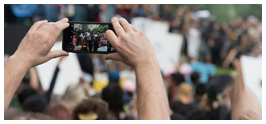
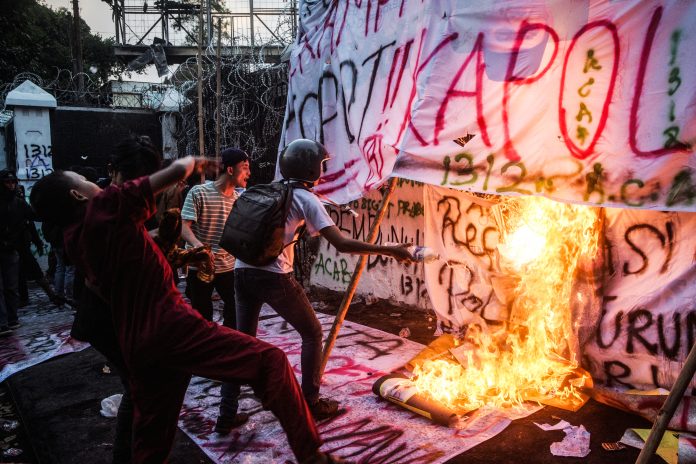
Archbishop Franciskus Nipa of Makassar has appealed for peace and non-violent methods as protests across Indonesia turned deadly, leaving at least six people dead and fueling anger over corruption, rising costs, and police abuses.
“Now the situation on the streets of Makassar has normalized and is calm again, but until yesterday, the protests agitated the population, especially the students. And violent groups have taken advantage of the opportunity to create chaos,” Archbishop Nipa told Fides News Agency.
The prelate reported that protests in Makassar, on Sulawesi island, left three people dead and several others injured, sparking unrest and fear across the city. Demonstrators also torched the regional parliament building, an act seen as both serious and symbolic in their challenge to the government.
The archbishop stressed that the unrest stems from “general dissatisfaction with the government,” noting that “the salary increase for parliamentarians was a measure that caused uproar and outrage,” while corruption and new taxes “have generated frustration and a sense of injustice, and above all, have caused difficulties for many groups of workers.”
He added that “the protests for justice and good governance” involve “large sections” of the population, especially students and young people.
The killing of a motorcycle taxi driver in Jakarta—run over by an armored police vehicle—further inflamed tensions and triggered nationwide protests, according to reports from Agence France-Presse.
Demonstrations have spread from Jakarta to Yogyakarta, Bandung, Semarang, Surabaya, and Medan, marking the worst unrest since President Prabowo Subianto took office.
“We reject all forms of violence and, as Indonesian Catholic bishops, have spread a message calling for peace and the choice of non-violent methods,” Archbishop Nipa said.
The Indonesian Bishops’ Conference (KWI) on Sunday urged both authorities and citizens to pursue peace, justice, and democratic values, stressing that their constant appeal is for good governance that genuinely serves the common good.
They said the unrest reflects “great disappointment with senseless and unjust words, actions, and policies” and calling on leaders to embody the principles of Pancasila, Indonesia’s national ideology.
“We express our deep sorrow for our brothers and sisters who were injured or lost their lives while fighting for truth and justice and exercising the freedoms guaranteed by the Constitution,” the bishops said.
The faith leaders urged the government “to listen carefully to the people’s aspirations, act fairly and responsibly, and ensure transparent and accountable governance.”
KWI chairman Bishop Antonius Subianto Bunjamin, OSC, and secretary general Bishop Paschalis Bruno Syukur, OFM, signed the statement, which also reminded security forces to be “true protectors of all citizens” and urged the public “to refrain from provocations and criminal acts that cause damage, harm, and obstruct fraternity and national unity.”
Meanwhile, the Forum of Indonesian Catholic Societies (FMKI) condemned the death of the motorcycle taxi driver as an “act of state violence” and demanded “respect for human rights and democratic principles.”
The escalating crisis has forced President Prabowo to withdraw a controversial perks scheme for lawmakers and cancel an overseas trip, as security forces tighten control over cities with checkpoints, armored vehicles, and snipers.