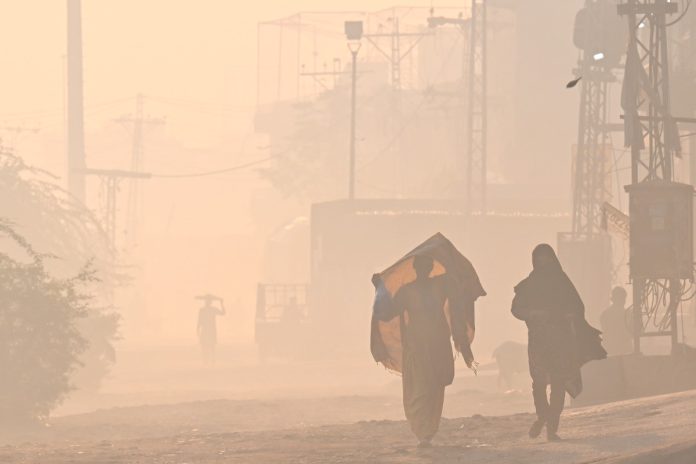
Women and girls in South Asia face heightened risks of poverty and income losses as climate change deepens existing inequalities, according to a United Nations report released Nov. 10 during the COP31 climate summit in Antalya, Türkiye.
The report by UN Women identifies Central and Southern Asia among the regions where exposure to floods, cyclones and droughts combines with insecure livelihoods and gender inequality, making it harder for women and girls to cope with climate-related disasters.
The report, Gender Equality in the Age of Climate Crisis, found that at least 1.5 billion women and girls worldwide live in climate hotspots, mostly in sub-Saharan Africa and Central and Southern Asia.
Under a worst-case scenario, climate change could push up to 141 million additional women and girls worldwide into extreme poverty by 2050.
“The climate crisis threatens planetary life and is deepening the inequalities that leave women and girls most at risk,” the report said.
UN Women found that women and girls in countries least responsible for climate change face some of its worst consequences, particularly where poverty, insecure employment and limited access to resources make recovery from disasters difficult.
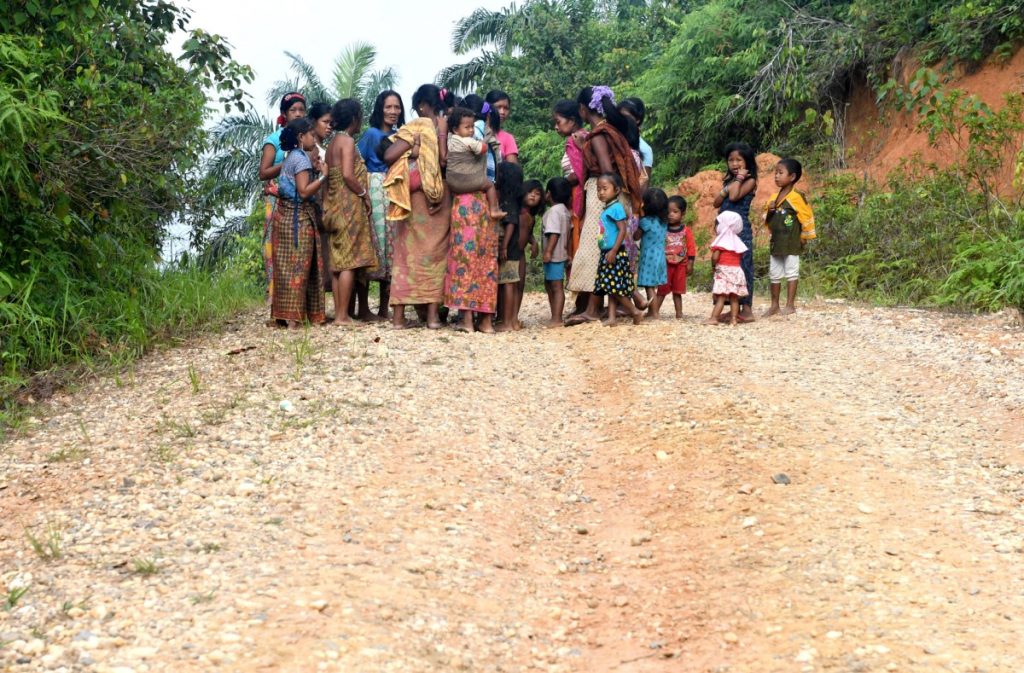
In Pakistan, where floods and cyclones pose significant threats, women spend 11 times as many hours on unpaid domestic and care work as men, according to the report.
The agency identified unpaid care responsibilities as a major factor increasing women’s vulnerability to climate disasters, alongside limited land rights and insecure employment.
The report also identified Nepal among countries where child marriage rates were substantially higher in more arid areas than in more humid environments.
Of 46 countries with available data, 24 recorded higher child marriage rates in more arid areas. The difference exceeded 20 percentage points in Nepal, Cameroon and Nigeria.
UN Women warned that climate change could undermine progress in ending child marriage as environmental pressures threaten household livelihoods.
The report also found that rising temperatures could widen income disparities between women and men.
Data from 24 low- and middle-income countries showed that a 1-degree Celsius increase in average temperatures was associated with women losing 34% more of their total income than men.
The disparity reflects women’s limited opportunities to shift to nonagricultural employment or migrate when harvests fail.
Climate change could also worsen hunger. Under a worst-case scenario, an additional 185 million women and girls could experience food insecurity by 2050, compared with 147 million more men and boys.
Women and girls also shoulder a disproportionate share of unpaid domestic work, including collecting water and fuel and caring for family members after disasters.
Of the 1.8 billion people worldwide without water on their premises, women are the primary water collectors in two-thirds of households. Under a high-emissions scenario, water collection times could increase by as much as 30% by 2050.
The report also linked climate-related displacement, livelihood losses and resource scarcity to increased risks of gender-based violence.
Across 14 countries, exposure to prolonged extreme drought was associated with 21% higher odds of sexual violence against adolescent girls and young women.
Despite these risks, national climate policies have yet to adequately address the needs of women and girls.
UN Women found that 73% of national climate action plans recognize gender-specific climate risks, but only slightly more than one-third address them comprehensively.
Measures addressing unpaid care work, women’s health and gender-based violence remain particularly neglected.
The report also found that only 8.7% of people in the world’s most climate-vulnerable countries have access to at least one form of social protection, compared with 52.4% globally.
UN Women called for greater investment in climate-resilient agriculture, social protection and care services, alongside stronger land rights and decision-making powers for women.
The agency also raised concerns about unequal access to climate financing.
Global climate finance reached about $2 trillion in 2024, but 78% went to advanced economies and China. International climate finance for developing countries totaled $136.7 billion, far below their estimated annual needs of $455 billion to $584 billion by 2030.
Nearly 70% of climate finance to developing countries is provided through loans, adding to existing debt burdens.
The report called for greater access to public and highly concessional financing, particularly for women’s organizations and communities facing the worst effects of climate change.
“Across the world, women are already leading the fight for a better future – in their communities, in laboratories, in parliaments and on the front lines of the climate crisis,” said Sima Bahous, UN Women’s executive director.
“We must give women and girls equal rights, resources and the power to lead, and they will help drive the change our world so urgently needs.”
At COP31, UN Women urged governments to put gender equality and women’s rights at the center of climate policies, protect women environmental defenders and give women a greater role in decisions affecting their communities.