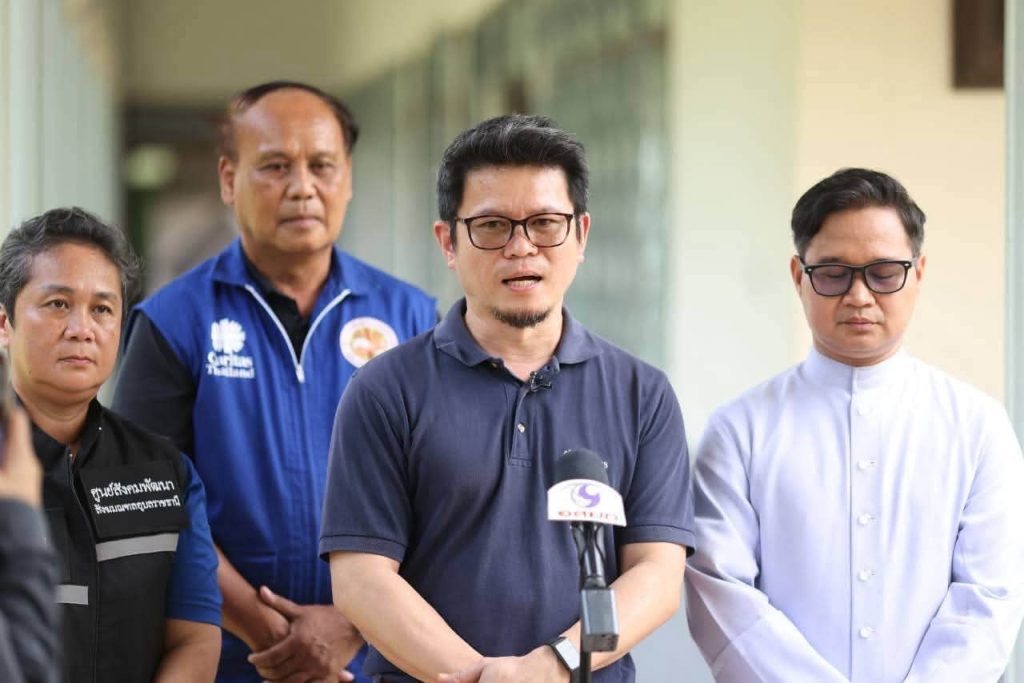
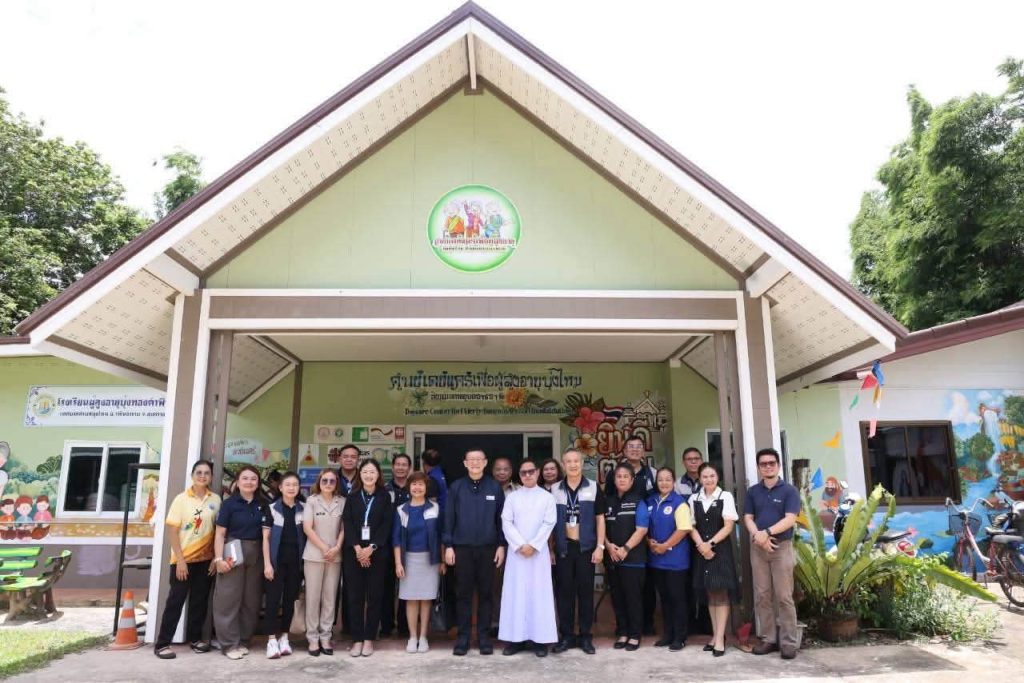
Senior officials from the National Health Security Office (NHSO) gathered to evaluate a model of Catholic community care at the Diocesan Social Action Center (DISAC) in Warin Chamrap District, Ubon Ratchathani Diocese, in northeastern Thailand on Aug. 17.
According to Jirawat Chenpasuk, program coordinator of Caritas Thailand, the Church-led project was launched in 2021 as a pilot initiative of Caritas Thailand and DISAC Ubon Ratchathani.
Supported by Caritas Germany and the German Federal Ministry for Economic Cooperation and Development (BMZ), the program serves as a bridge between pastoral accompaniment and formal health care.
The initiative offers a continuum of support tailored to aging in place.
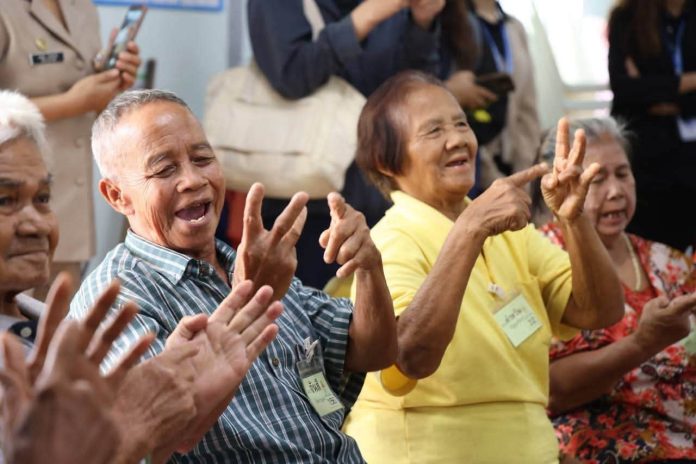
Operating Monday through Friday, the center’s day care facility serves 178 enrolled seniors, with an average of 25 people attending daily.
Beyond center-based activities, home care teams reach 138 homebound elders through individualized care plans managed by community supervisors and 28 volunteers.
The project also operates group homes for vulnerable seniors who live alone, allowing them to remain within their communities rather than move into institutional care.
“The center’s activities place the human person strictly at the center, aiming to extend their joy, dignity, and active social participation,” said Father Narathip Ngamwong, director of the Social Development Center of the Diocese of Ubon Ratchathani.
“To meet the needs of a rapidly aging population, we are preparing for formal certification to expand our reach,” the priest added.
Father Narathip said the center plans to register as a designated “Life-Saving Center” under Section 3 of the NHSO framework, which would systematically integrate community-level palliative and end-of-life care with Catholic pastoral presence.
Duangthida Srisema, a public health specialist, said the facility has already met Department of Health care standards, paving the way for official NHSO accreditation.
For local elders, the impact is personal.
“I used to stay home alone with only my grandchild, constantly worrying about my high blood pressure, diabetes, and kidney disease,” said Yin Khunsasan, an 80-year-old resident.
“Coming here for the past two years has renewed my spirit. Having friends and caring staff around has restored my health and mental peace,” Khunsasan added.
NHSO Deputy Secretary-General Atthaporn Limpanyalerd commended the initiative, dubbed the “Bung Mai Model,” as a blueprint for cooperation between public institutions and religious organizations.
“Elderly care cannot rely solely on clinical systems,” Atthaporn said.
“It requires the living witness of religious organizations that reside at the heart of local villages. The NHSO intends to draw from this success to strengthen national healthcare networks,” Atthaporn added.
Atthaporn said the model shows how local communities, religious institutions and health care systems can work together to extend care beyond hospitals while preserving the dignity of older people in their own communities.
As Thailand faces a demographic shift, the pilot program shows how Church-based social action can complement community and public health systems in caring for older people.