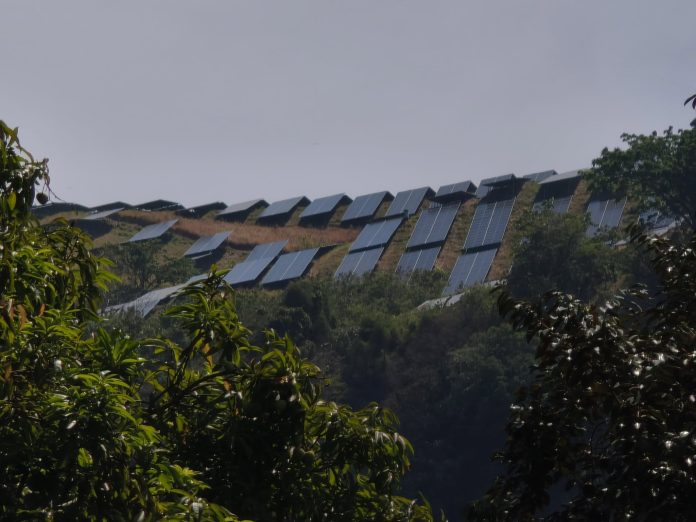
An environmental investigation by Indigenous and civil society groups found that the proposed expansion of an Aboitiz Renewables solar project in Olongapo City, Philippines, could damage a protected watershed while displacing Ayta communities and threatening their traditional livelihoods.
The groups released Tuesday the findings of an Environmental Investigative Mission conducted from May 29 to 31 in communities affected by Phase 1 of the Olongapo Solar Power Project and the proposed Phase 2 expansion.
The mission covered the villages of Santa Rita, New Cabalan, Old Cabalan, and Gordon Heights.
KATRIBU Kalipunan ng Katutubong Mamamayan ng Pilipinas, AGHAM-Advocates of Science and Technology for the People, PROPEL-Pro-People Engineers and Leaders, the Justice, Peace and Integrity of Creation office of the Redemptorist Vice-Province of Manila, and PAMILALAMU-Church and Ayta Partnership in Central Luzon conducted the investigation.
The groups said tree clearing for the proposed second phase could damage local biodiversity, including bird populations important for conservation.

They also warned that construction within the Olongapo Watershed Forest Reserve could affect water supply, weaken soil stability, and increase the risk of flooding in downstream communities.
“As the area sits within the Olongapo Watershed Forest Reserve, clearing of the trees for the solar farm may cause problems in water supply and soil stability, which may potentially lead to flooding in the downstream barangays during severe rainfall events,” said Julius Roa of PROPEL.
The mission also documented the loss of agricultural land and traditional livelihoods, which the groups said had worsened economic insecurity among affected residents.
The investigation alleged violations of the Aytas’ right to free, prior, and informed consent involving Aboitiz Renewables and the National Commission on Indigenous Peoples.
It also cited increased exposure to disasters and health risks linked to changes in land use.
“This project by Aboitiz proves that renewable energy projects are not inherently beneficial for marginalized communities if such projects operate under the same violent frameworks seen in traditional extractives,” said Funa-ay Claver, secretary-general of KATRIBU.
Residents affected by the Olongapo project shared testimonies during the launch on its impact on their livelihoods, ancestral lands, and daily lives.
They were joined by residents from Nueva Ecija who reported similar displacement and livelihood losses linked to the MTerra Solar Project.
The groups said the accounts pointed to a broader pattern in which large renewable energy projects are imposed on communities without genuine consultation or respect for their rights.