Church and human rights groups on July 1 marked 10 years since former President Rodrigo Duterte launched his controversial war on drugs with renewed calls to end impunity.
The National Council of Churches in the Philippines (NCCP) issued the appeal as a coalition of victims’ families, faith-based organizations, lawyers, artists, journalists, academics, and human rights advocates launched DEKADA ng Sama-samang Pag-alala, Pagkakaisa para sa Hustisya, a nationwide campaign of remembrance and public education that will run through December.
The anniversary marked a decade since the issuance of Philippine National Police Command Memorandum Circular No. 16-2016, or “Project Double Barrel,” which operationalized Duterte’s nationwide anti-illegal drugs campaign.
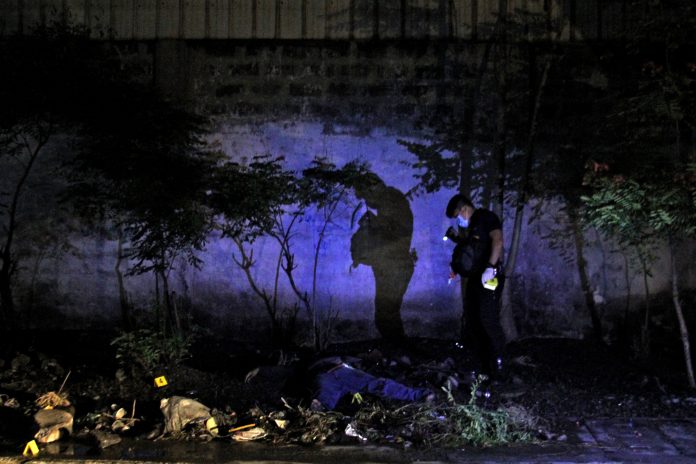
In its statement, the NCCP said the campaign left thousands of suspected drug users and small-time drug pushers dead, many of them from poor and marginalized communities.
“Many lost their lives without due process. Behind the statistics are grieving parents, widows, orphaned children, and communities left to bear the enduring trauma of violence,” the council said.
The church body said the killings fostered a culture of impunity that extended beyond the anti-drug campaign.
It accused Duterte and his close allies of nurturing that culture and said his rhetoric normalized the violence, while misinformation, disinformation, and fear made public discourse “increasingly hostile toward accountability.”
The NCCP said its advocacy was rooted in the Christian belief that every person bears the image of God.
“Our call to stop the killings, respect human rights and justice for the victims are rooted in our faith and belief that we are made in God’s image (Genesis 1:26-27), thus when rights are denied and violated, the divine image within the human person is violated, and the dignity that it confers is diminished,” it said.
The council welcomed Duterte’s arrest by the International Criminal Court on charges of crimes against humanity but said accountability remained incomplete.
It noted that “his co-accused, including the fugitive Sen. Bato, remains at large,” and accused Duterte’s supporters of trying to undermine the rule of law and international law through fake news, public mobilizations, and political efforts “to undermine efforts for accountability, including the impeachment process against Vice President Sara Duterte.”
The NCCP also said the culture of impunity had persisted under the current administration. Citing data from the Dahas Project of the University of the Philippines Third World Studies Center, it said drug-related killings had continued under President Ferdinand Marcos Jr., while “killings and rights violations against human rights defenders persists, and the NTF-ELCAC is still continuing its deadly practice of red-tagging.”
“Ten years after the beginning of the so-called ‘war on drugs,’ our vigil continues. The NCCP remains committed to accompanying the victims and their families in their search for truth, justice, healing, and accountability. We will continue to stand with the bereaved, defend the oppressed, and proclaim that every human life is sacred because every person bears the image of God,” it said.
The DEKADA coalition described the anniversary as “ten years of grief, mourning, resistance and most importantly, the journey from family-victims to survivors.”
It also called July 1 “the foundational date of a decade of state-sanctioned violence and impunity.”
The coalition said the campaign seeks “to move beyond narratives of violence and spectacle to center the humanity of those affected.”
It invited the public to reflect “on the voices, time, dignity, and futures that were taken and on our collective responsibility to uphold due process, accountability, and human worth.”
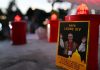
The campaign opened Wednesday with a candle-lighting ceremony at the Bantayog ng mga Bayani in Quezon City led by surviving families of drug war victims alongside human rights groups, faith-based communities, and legal organizations that have supported them over the past decade.
Organizers said the campaign will continue through December with exhibitions, film screenings, discussions, and other public events.