A Catholic charity in central Vietnam is building toilets for poor rural families as part of a wider effort to protect human dignity, improve women’s safety, and promote environmental care.
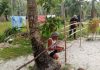
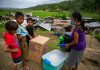
This month, 10 toilet facilities were handed over to low-income families in the parishes of Hoa Lam, Tra Kieu, Xuan Thanh, Chiem Son, and O Gia, according to a report published by Caritas Da Nang.
The turnover ceremony was attended by Fr. Peter Nguyen Long, deputy director of Caritas Da Nang and coordinator for Caritas in the Tra Kieu deanery, along with representatives from the Caritas office and parish-based Caritas groups.
The sanitation program was launched in 2024 by Fr. Simon Nguyen Can Truong, director of Caritas Da Nang, to support poor households and ethnic minority communities in remote mountainous areas, including Tay Giang, Dong Giang, Nam Giang, Nam Tra My, Hiep Duc, Phuoc Son, Nong Son, and Bac Tra My.
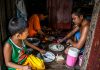
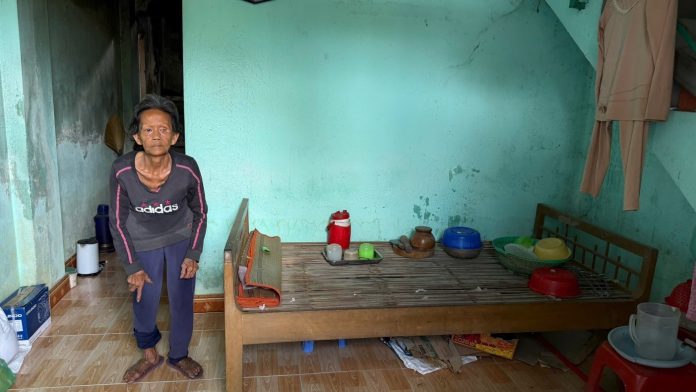
Caritas Da Nang said many families in rural communities continue to live without basic sanitation facilities or rely on severely deteriorated toilets, creating daily difficulties especially during the rainy season and at night.
The organization said the lack of safe sanitation disproportionately affects women, girls, older people, and vulnerable residents.
To date, Caritas Da Nang has completed and handed over 81 toilet facilities. “Though they are only small structures, what the program aims for is much greater,” the group said.
“A safe and clean toilet not only helps protect health, prevent disease and improve daily living conditions,” it added. “It also contributes to protecting privacy, improving quality of life and preserving human dignity, especially for women, girls, the elderly and vulnerable people.”
The organization said the initiative also encourages healthier living habits, community health awareness, environmental responsibility, and care for the “Common Home,” a phrase widely associated with Catholic ecological teaching inspired by Laudato Si’.
Caritas Da Nang said the program also carries a deeper social meaning by promoting respect for women and gender dignity in poor communities where women and girls often face unsafe and uncomfortable conditions due to the absence of private sanitation facilities.
One resident who received a newly built toilet said he wanted his daughter to use it first so she could live “cleaner, safer and with less hardship” in daily life.
The organization said the project has also strengthened ties between Church communities, local authorities, donors, and isolated rural families.