
The Philippines has called on Southeast Asian nations to take a united stance on “Loss and Damage,” warning that the region is already facing irreversible climate impacts that displace communities and undermine livelihoods.
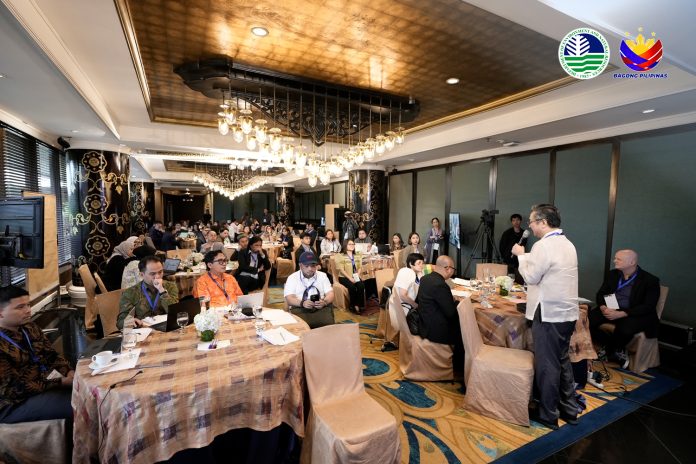
The Department of Environment and Natural Resources (DENR) hosted the first ASEAN policy dialogue on the issue on August 6–7 in Makati City.
Government officials, climate experts, and development partners discussed how to define Loss and Damage in the regional context and set priorities for responding to it.
The term covers climate impacts that “go beyond the limits of adaptation,” including rising seas, deadly heat waves, biodiversity loss, and collapsing harvests.
“We can transform ASEAN into a beacon for climate resilience and sustainable development, safeguarding the well-being of our communities and the future of our planet,” said DENR Undersecretary Jonas Leones, who chairs the ASEAN Senior Officials on the Environment.
Delegates also examined how ASEAN could access the Fund for responding to Loss and Damage (FrLD), created at COP27, and stressed the need for a common definition and coordinated approach to secure support.
The Philippine government paired the regional talks with a domestic push for private-sector involvement in climate action.
On July 31, the DENR signed an agreement with the Ayala Group of Companies to plant five million trees by 2028 in critical watersheds across six provinces. The project will use satellite and drone monitoring to track tree survival and carbon capture.
Environment Secretary Raphael Lotilla urged businesses to move beyond selling carbon credits. “Can we take a look at how we can catch or capture part of the value added?” he said.
The DENR said 21 other entities have joined the program, which it says will help protect biodiversity, improve air and water quality, and reduce disaster risks.