
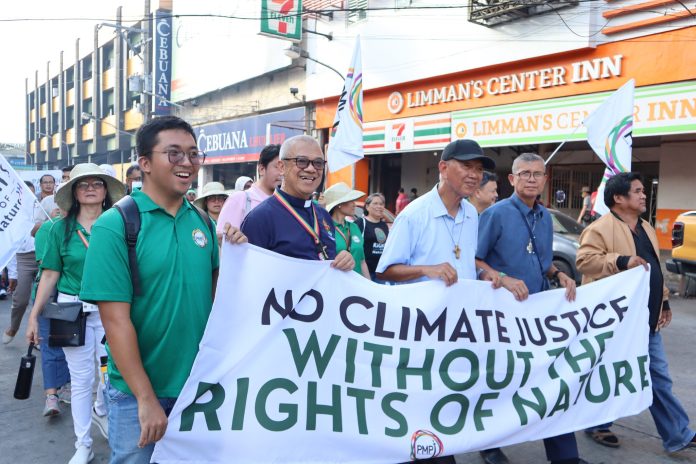
A faith-based group has welcomed the International Court of Justice’s (ICJ) landmark advisory opinion affirming that states have a legal duty to act urgently on the climate crisis.
The ruling recognizes that failure to prevent environmental harm is a wrongful act under international law.
The Philippine Misereor Partnership, Inc. (PMPI), an advocacy and development network, said the decision strengthens global efforts to confront environmental destruction and protect future generations.
It described the opinion as a crucial boost to campaigns linking environmental protection with social equity and intergenerational justice.
In the Philippines, PMPI is pushing for the passage of the Rights of Nature Bill, which seeks to recognize ecosystems as legal entities with inherent rights to exist, regenerate, and be restored.
The measure would empower citizens to file legal actions to prevent ecological destruction, impose penalties for environmental harm, establish restoration programs, and protect biodiversity.
PMPI noted that the ICJ opinion reinforces the urgency of institutionalizing this legal framework. It also emphasized that climate inaction and environmental negligence can constitute violations of international law, particularly for vulnerable communities most exposed to climate-related disasters.
The group urged the Philippine government to take bold, legally grounded steps based on the ICJ’s guidance, including ambitious climate action, environmental restoration, and the recognition of nature’s rights.
PMPI said the court’s pronouncement underscores the moral and legal imperative of protecting the planet, adding that the law should serve as a shield for the environment rather than a tool for exploitation.
It called on policymakers, civil society, and communities to act collectively in ensuring that nature is treated not as property, but as a rights-bearing entity deserving protection.