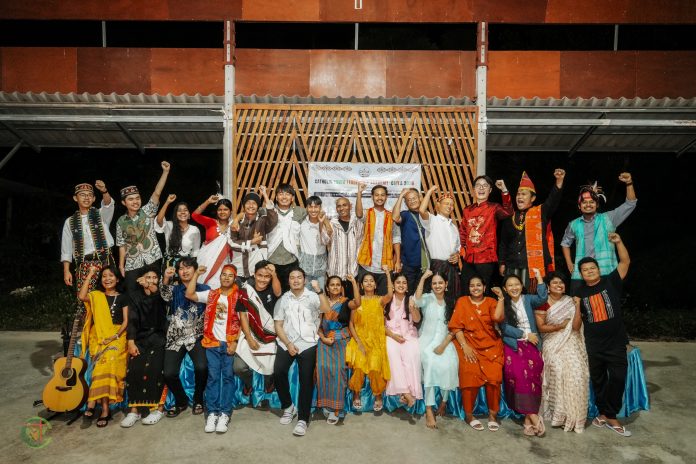
Young Catholic leaders from across Asia have urged the Church to put its social teachings into practice and give young people a greater role in pastoral planning, leadership and decision-making.
The appeal was made in the Chiang Mai Declaration adopted Nov. 13 at the conclusion of the Catholic Youth Leadership Academy (CAYLA 2026) in Thailand.
“We call on the Church to move beyond preaching about social justice and translate Catholic Social Teaching into concrete community action,” the declaration read.
“At the same time, the Church should provide young people with genuine opportunities to participate in decision-making, pastoral planning and leadership, rather than treating them merely as volunteers,” it added.
The declaration, titled “Our Shared Voice for Peace, Justice and Care for Creation,” called for stronger action to address human rights violations, discrimination, environmental destruction and the struggles of marginalized communities.
The Nov. 3-13 academy in Chiang Mai was organized by the International Youth Training Centre (IYTC) in collaboration with the International Movement of Catholic Students (IMCS) Pax Romana Asia Pacific and other partners.
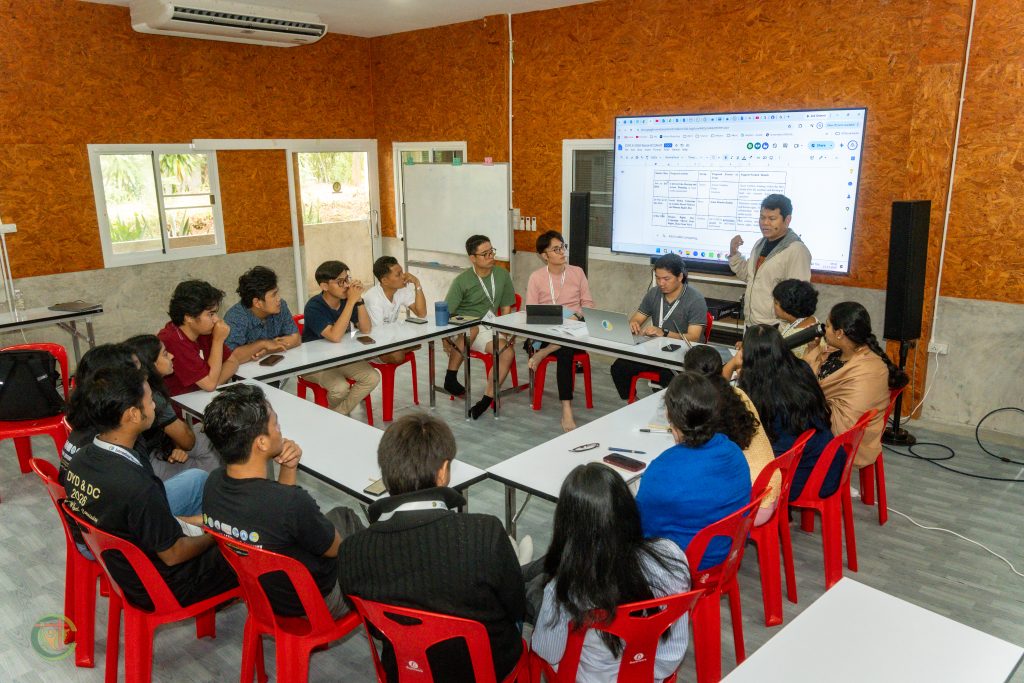
Participants examined Catholic Social Teaching, synodality, human rights, gender justice, Indigenous Peoples’ rights, peacebuilding and environmental protection.
The declaration identified human rights violations, discrimination, environmental destruction and armed conflict among the major challenges affecting communities across Asia.
It raised particular concern over the struggles of Indigenous Peoples, low-income families, refugees, displaced people and migrant workers, including unequal opportunities and limited access to basic services.
The young leaders also warned that climate change, deforestation, pollution and resource exploitation threaten the health and livelihoods of vulnerable communities.
They called on governments to strengthen human rights protections, improve access to basic necessities and ensure that marginalized communities are heard in decisions affecting their lives.
“We call on the Governments and Public Institutions to put people before power, protect everyone’s rights and ensure that no one is left behind,” the declaration read.
The participants urged governments to protect women, children, refugees, internally displaced people, persons with disabilities and other marginalized groups.
They also called for greater transparency in public institutions and meaningful opportunities for young people to participate in policymaking.
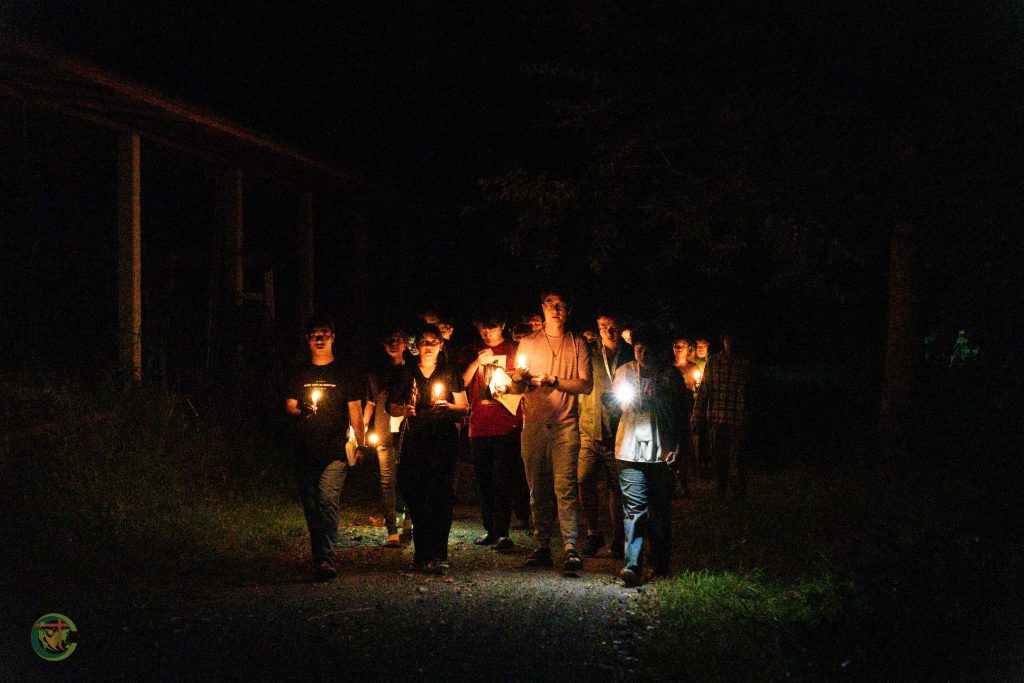
Civil society organizations were urged to work more closely with marginalized communities and involve young people in developing responses to social problems.
The declaration also appealed to development partners to support youth-led initiatives through scholarships, mentoring, leadership training and other resources.
The young Catholics committed themselves to applying Catholic Social Teaching in their communities through practical action.
They pledged to use the See-Judge-Act approach to examine social conditions, reflect on them in light of the Gospel and respond to the needs of affected communities.
During the 11-day academy, participants attended sessions on advocacy, communication, lobbying, human rights mechanisms and community organizing.
Community exposure activities introduced them to the experiences of people affected by displacement and other social problems.
“The stories of displaced people deeply touched my heart and helped me understand their struggles,” said Salom Nokrek of Bangladesh in his program evaluation.
Archana A., an assistant professor at St. Vincent College in India, said the experience deepened her understanding of the relationship between faith and social responsibility.
“Faith is not just about belief, but about putting compassion, courage and solidarity into action,” she said.
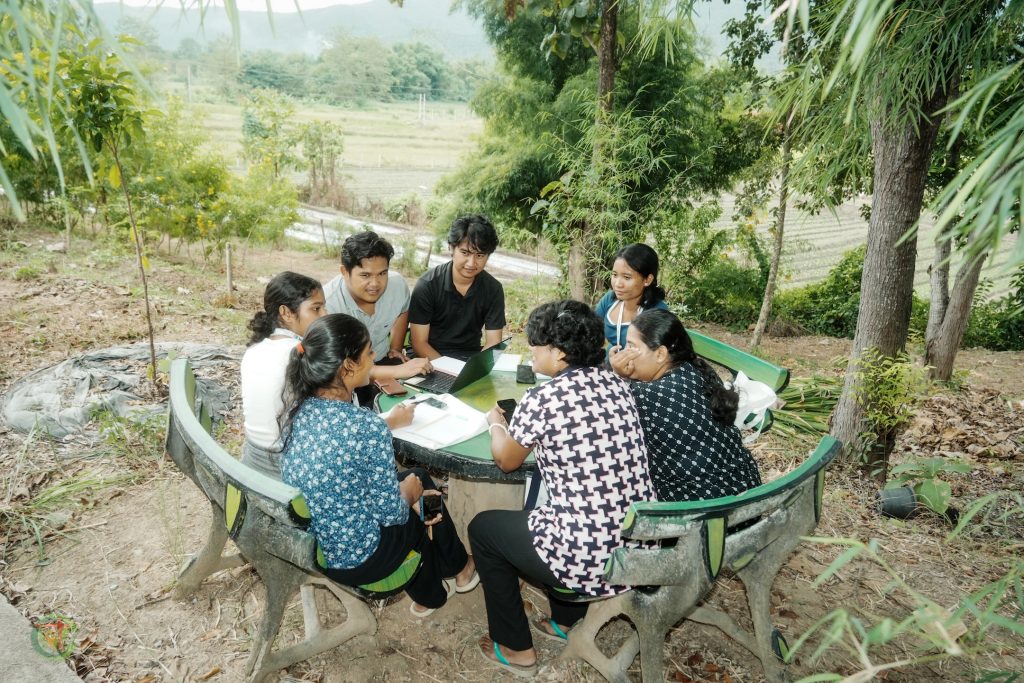
The program also examined women’s rights, Indigenous Peoples’ rights and international human rights mechanisms, including ways young people could use them to advocate for affected communities.
Dr. Peter Rachada Monthienvichienchai, secretary-general of SIGNIS and executive director and co-founder of LiCAS News, introduced participants to solutions journalism, focusing on reporting that examines how communities respond to social challenges.
Participants also discussed using digital platforms to raise awareness of social issues and amplify the concerns of marginalized groups.
Anselmo Lee, vice president of Pax Romana ICMICA Asia-Pacific and a CAYLA co-founder, urged participants to continue serving their communities after the academy.
“You need no title to lead. Leadership begins whenever you accept responsibility, bring people together, and serve with courage and humility,” he said.
William Nokrek, international president of IMCS Pax Romana and co-chair of the IYTC Steering Committee, said the academy drew inspiration from Pope Francis’ call for young people to become agents of social change.
“CAYLA began with a simple belief: young people need opportunities not only to learn about their faith, but also to understand what is happening in their communities and find ways to respond,” he said.
The academy also discussed preparations for World Youth Day 2027 in Seoul, South Korea, and opportunities to strengthen cooperation among Catholic youth movements across Asia.
Before concluding the gathering, participants developed community action plans through a Strategic Lab and established a CAYLA alumni network to support collaboration on justice, peace, human rights and environmental protection.
David Pau Deih Lien of Myanmar said he intended to begin responding to community needs using the resources already available to him.
“Rather than waiting for massive resources, I will start immediately with what I already have, my network, my skills, and my voice, to address one concrete need at a time,” he said.
The Chiang Mai Declaration called on young Catholics to continue working with their communities and organizations after returning to their respective countries.
“Let us not simply witness change; but become the change we wish to see,” it concluded.