
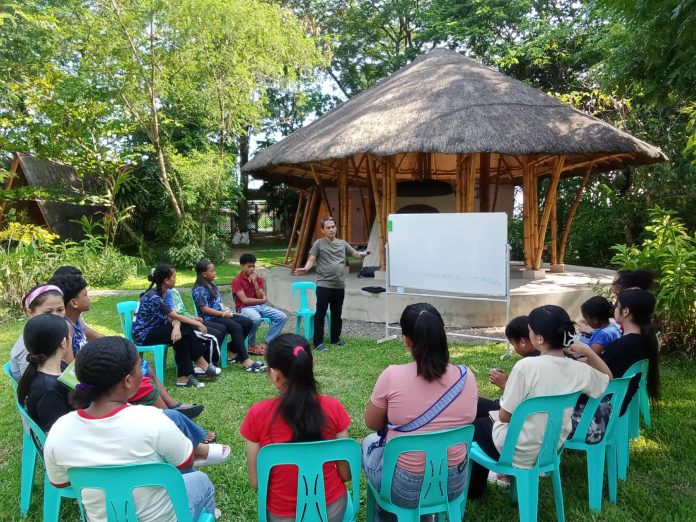
Indigenous youth leaders from five Indigenous communities across the Philippines have agreed to launch community-led initiatives focused on cultural preservation, environmental stewardship, and educational support following a leadership convergence under a Catholic-backed accompaniment program.
The convergence brought together youth representatives from the Ati of Boracay, Aklan; the Subanen of Midsalip, Zamboanga del Sur; the Ayta of Floridablanca, Pampanga; the Dumagat of General Nakar and Polilio, Quezon; and the Umayamnon of Cabanglasan, Bukidnon.
Participants developed a common action plan covering June 2026 to June 2027, centered on three priorities: revitalizing Indigenous cultures, caring for the environment, and supporting access to education.
The gathering forms part of the Indigenous Youth Leadership Accompaniment Program launched in 2023 by the Office for Pastoral Services of the St. Vincent School of Theology. The initiative has received support from DKA-Austria and ROOTS Asia.
According to Dr. Emil Ibera, a lay theology professor and ROOTS Asia coordinator, the program emerged from conversations with Indigenous leaders concerned about preparing younger generations to face new challenges confronting their communities.
“There was a thought from the Ayta leaders to help them in building up the leadership capacity of their youth, and so we acted on it. Then, as I moved around and consulted other communities, they had the same concern,” Ibera said.
“Community leaders want their future leaders to be prepared, especially when they see new challenges that they have to face. So, the whole objective is to accompany the indigenous youth in building up their leadership capacity,” he added.
During the convergence, participants took part in reflections and workshops on Indigenous cultures in a changing world, Catholic social teaching, human rights, and the future of Indigenous communities.
Under the cultural revitalization component of the action plan, each community will implement cultural education initiatives and take the lead in documenting the struggles and aspirations of Indigenous youth.
Participants will also join monthly online learning sessions that address issues affecting their communities, according to Ibera.
The environmental component includes the development of ecological sanctuaries in each community, alongside workshops and reflections on ecological spirituality and permaculture as pathways toward sustainable living.
To strengthen educational opportunities, Ibera explained, the youth leaders agreed to support students facing financial difficulties and organize tutorial services for Indigenous children in basic education.
Ibera said the convergence demonstrated the willingness of Indigenous youth to engage in community-building efforts when provided with opportunities to participate and lead.
“Over-all, I have witnessed their readiness to cooperate in all the activities,” he said.
“It was so encouraging to see that when the indigenous youth are given the right opportunity and freedom to express themselves, they do well,” he added.
The convergence concluded with participating communities committing to carry out their respective initiatives over the next year while continuing to learn from one another through regular exchanges and formation activities.
ROOTS Asia describes itself as a network of Catholic Indigenous leaders, together with members of other Christian churches and Asian religions, working to support Indigenous spiritualities and advance the protection and promotion of Indigenous Peoples across Asia.