Traditional New Year festivals across Southeast Asia this week, marked by water rituals and cultural celebrations, carry a deeper spiritual meaning that resonates with the Christian faith, according to a Jesuit leader in Myanmar.
Rooted in ancient Buddhist and Indian traditions, April New Year celebrations in countries such as Thailand, Myanmar, Laos, and Cambodia symbolize renewal, purification, and the hope of new beginnings.
While each nation preserves its own unique customs and identity, the common thread of spiritual renewal remains central.
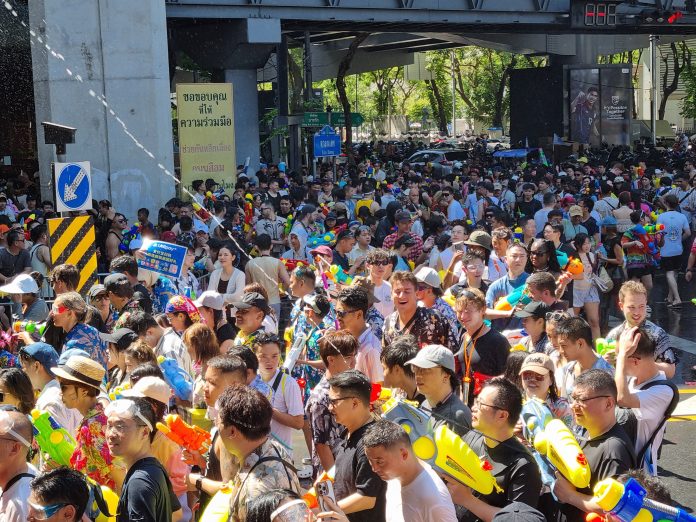
In Thailand, the festival of Songkran blends vibrant public celebrations with longstanding religious practices.
Streets in major cities transform into lively scenes of water splashing, music, and communal joy, while families also observe quieter traditions such as visiting temples, making merit, cleaning homes, and pouring scented water over elders as a sign of respect and blessing.
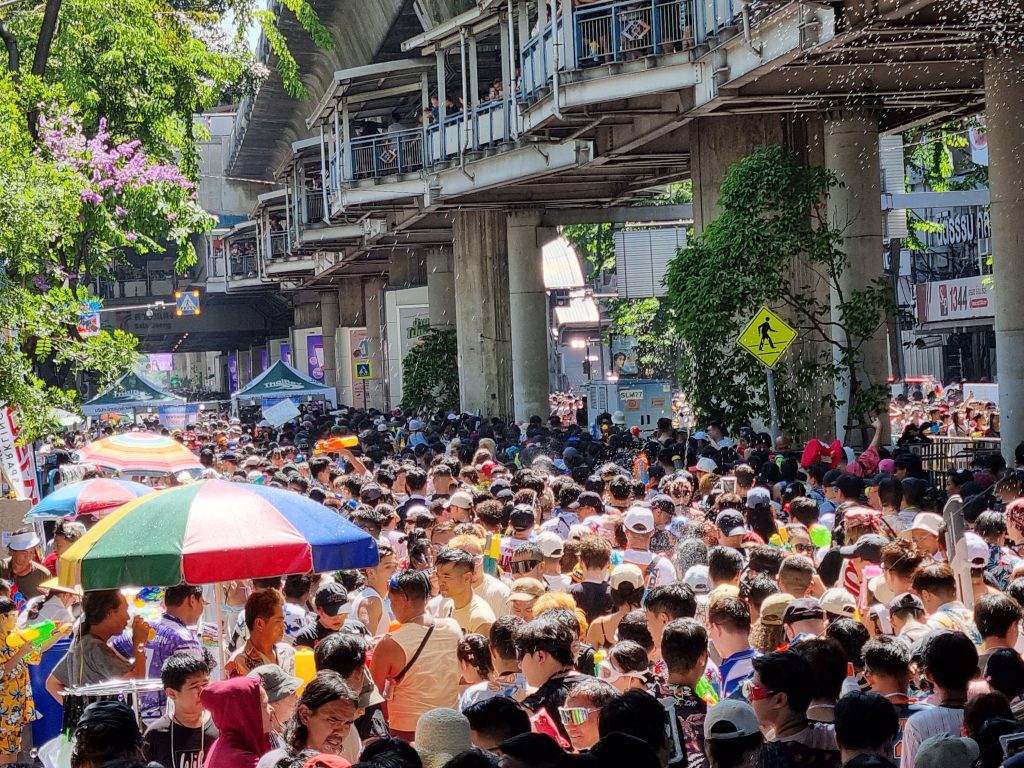
Photo by LiCAS News
Similarly, Myanmar’s Thingyan, and the New Year festivals in Laos (Pi Mai Lao) and Cambodia (Chol Chnam Thmey), emphasize purification through water, alongside temple visits and acts of charity.
These celebrations, typically held from April 13 to 15, reflect a shared cultural heritage across the region, even as each country maintains its distinct expressions.
Both Songkran and Thingyan have been inscribed on the UNESCO Intangible Cultural Heritage of Humanity list, underscoring their enduring cultural and spiritual significance on the global stage.
However, beyond the cultural dimension, Fr. Girish Santiago, SJ, Regional Superior of the Myanmar Jesuit Region, has drawn attention to a profound spiritual parallel between these traditional festivals and the Christian observance of Holy Week.
“Interestingly, this year’s April invites us to see the connection between Catholic Holy Week and Thingyan, the Burmese New Year,” Fr. Girish Santiago noted in his April reflection.
He emphasized that while Thingyan is not rooted in Christian doctrine, it carries a deeply symbolic and spiritual meaning within Myanmar’s cultural context. At the heart of both celebrations, he said, lies a shared theme: purification and renewal.
Fr. Girish Santiago explained that Holy Week, particularly the Easter Triduum from Holy Thursday to Easter Sunday, centers on repentance, cleansing from sin, and the passage from death to new life.
“Water appears in Baptism as the ultimate sign of cleansing,” he said, adding that Jesus’ washing of the disciples’ feet also expresses humility and purification.
In a similar way, Thingyan rituals focus on washing away the misfortunes and moral burdens of the past year. “Water is the central symbol,” he said. “People pour water on one another as a sign of cleansing and renewal.”
Described as the largest water festival in Southeast Asia, Thingyan draws millions of participants each year across Myanmar, from major cities such as Yangon and Mandalay to smaller towns and villages.
The multi-day celebration includes traditional music, dance, communal feasts, and cultural performances, reflecting both national identity and communal solidarity.
For Fr. Girish Santiago, the deeper meaning of these celebrations lies in their shared call to transformation.
The Burmese New Year, he noted, signifies not only a change in the calendar but a renewed commitment to moral and social responsibility.
“It is the ‘death’ of the old year and the ‘birth’ of the new,” he said. “In all, there is a movement from the old to the new, from brokenness to renewal.”
Drawing a parallel with the Christian message of Easter, he concluded: “Thingyan washes the body; Holy Week cleanses the heart. Easter and the New Year both proclaim that life can begin again. This is our hope.”