
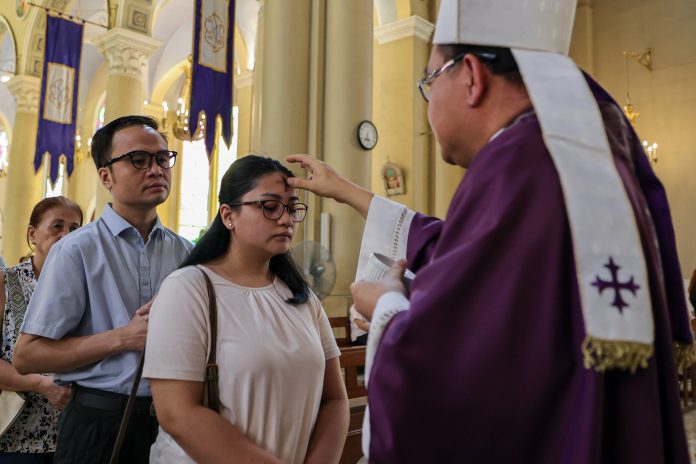
A Filipino bishop called on Catholics to begin Lent with urgent conversion, urging them to “return” to God, seek reconciliation, and embrace fasting that leads to justice.
“Today, we begin our Lenten journey. And this journey is no other than going back to our roots, going back to our Father,” said Bishop Elias L. Ayuban Jr. of Cubao during his Ash Wednesday homily.
Drawing from the prophet Joel, Ayuban framed conversion as an intentional turning back to what is essential.
“Return to the Lord with all your heart,” he said, explaining that conversion “means turning back, turning around. It means retracing our steps.”
“If we have walked too far down the wrong road, we have to return to the Lord,” he said. “Because many times we have focused on other important things, but not the essential ones—like our success, the pursuit of comfort, appearance, and even control.”
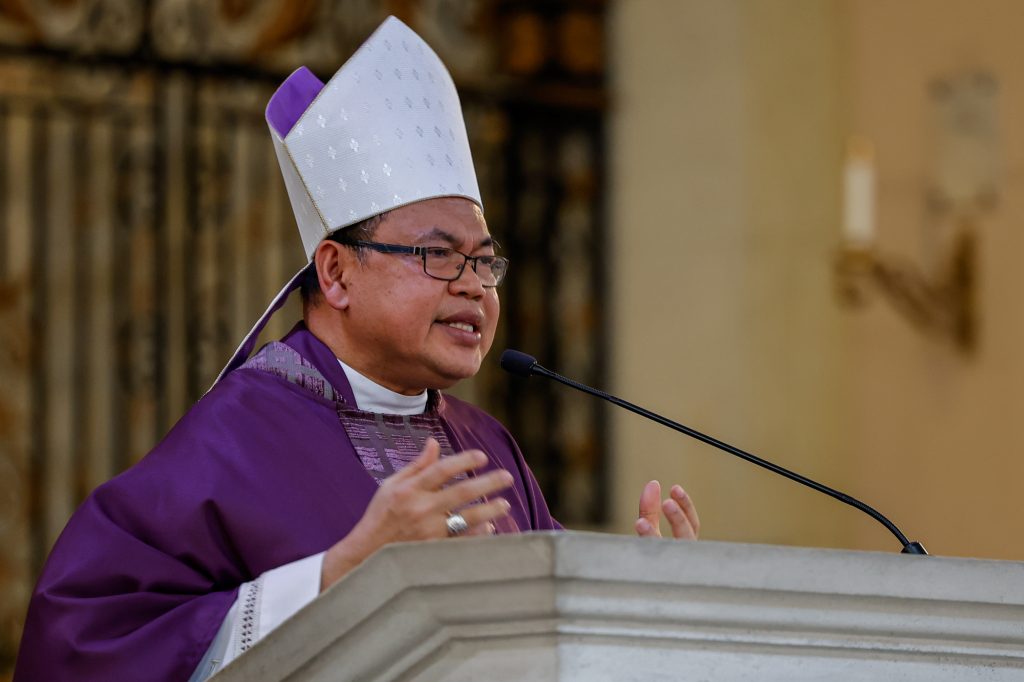
Ayuban structured his message around three themes: return, reconcile, and reward.
Echoing St. Paul’s appeal, he urged the faithful to “Be reconciled to God,” stressing that sin damages relationship rather than merely violating rules.
“Because sin is not just breaking a rule. It is not just breaking a commandment. It is a rupture in our relationship with God. It is living out of harmony with God’s heart,” he said.
He emphasized urgency: “Now is the acceptable time. Not tomorrow, not some other day, but now.”
Turning to the traditional Lenten disciplines of almsgiving, prayer, and fasting, Ayuban cautioned against performing religious acts for recognition.
“Your Father who sees in secret will reward you,” he said.
He clarified that the Gospel’s “reward” is not public praise. “It is not applause. It is not admiration. It is not a heavenly payment for good behavior,” he said.
“The reward Jesus promises is much more profound and deeper. It is becoming more like the Father. It is growing in our capacity to love. The reward is our intimacy with God.”
On almsgiving, the bishop linked charity to justice and stewardship.
“Almsgiving is not simply giving our loose change. It is restoring justice,” he said. “When we give, we are not being generous with what is ours. We are sharing what belongs to the Father.”
Quoting Pope Francis, he encouraged personal encounter with the poor: “When you give alms to the poor, do not be content with hearing the sound of the coins dropping into the container. Look into the eyes of the beggar. Know his or her name. Touch his or her hands.”
Ayuban described prayer as an interior transformation rather than persuasion.
“Prayer is entering into our inner room and listening. It is allowing God to align our hearts with His heart. Prayer changes us more than it changes our circumstances.”
On fasting, he stressed that sacrifice must lead to solidarity.
“Christian fasting is joyful because it frees our hearts from slavery to things. It creates space for others,” he said. “The true fast, as the prophet says, is breaking injustice, sharing bread with the hungry, and lifting burdens from the oppressed. Fasting that does not lead to love is empty.”
Ayuban also cited a recent statement from the Catholic Bishops’ Conference of the Philippines encouraging digital media fasting during Lent, particularly in response to the pressures of constant connectivity.
“Technology is a blessing when used responsibly. Yet excessive media use often leads to distraction, fatigue, loss of focus, weakened relationships, and diminished spiritual awareness. Constant connectivity leaves little room for silence and reflection. Digital media fasting helps restore balance and reminds us that technology must serve human life, not dominate it,” he said.
He further referenced a Lenten message from Pope Leo urging restraint in speech, quoting: “Let us begin by disarming our language, avoiding harsh words and rash judgments, refraining from slander, and speaking in defense of those who are not present and cannot defend themselves.”
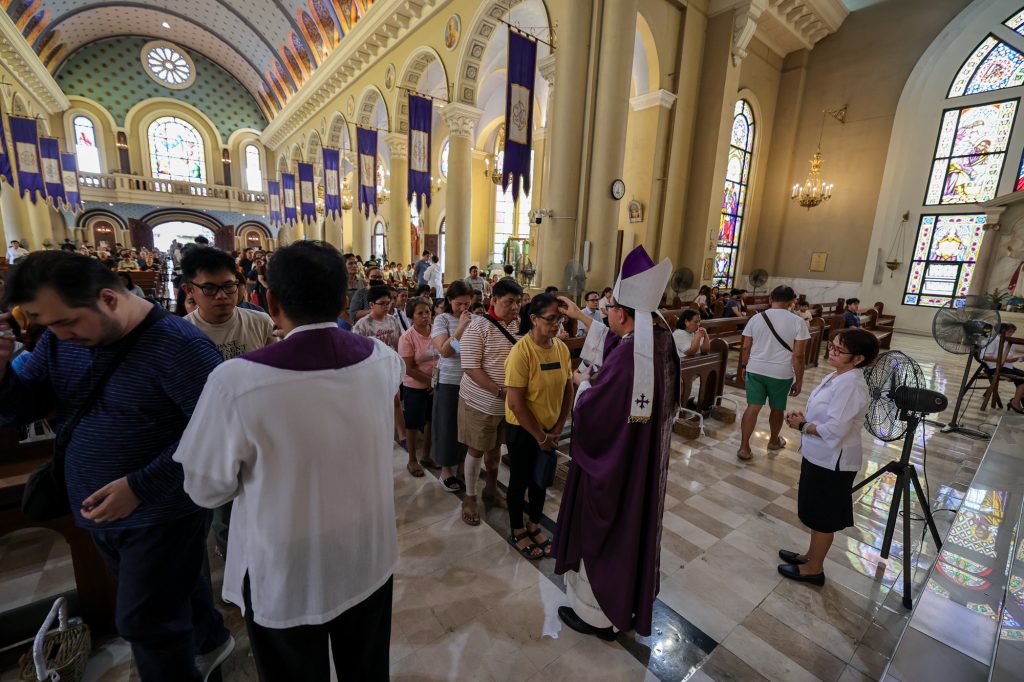
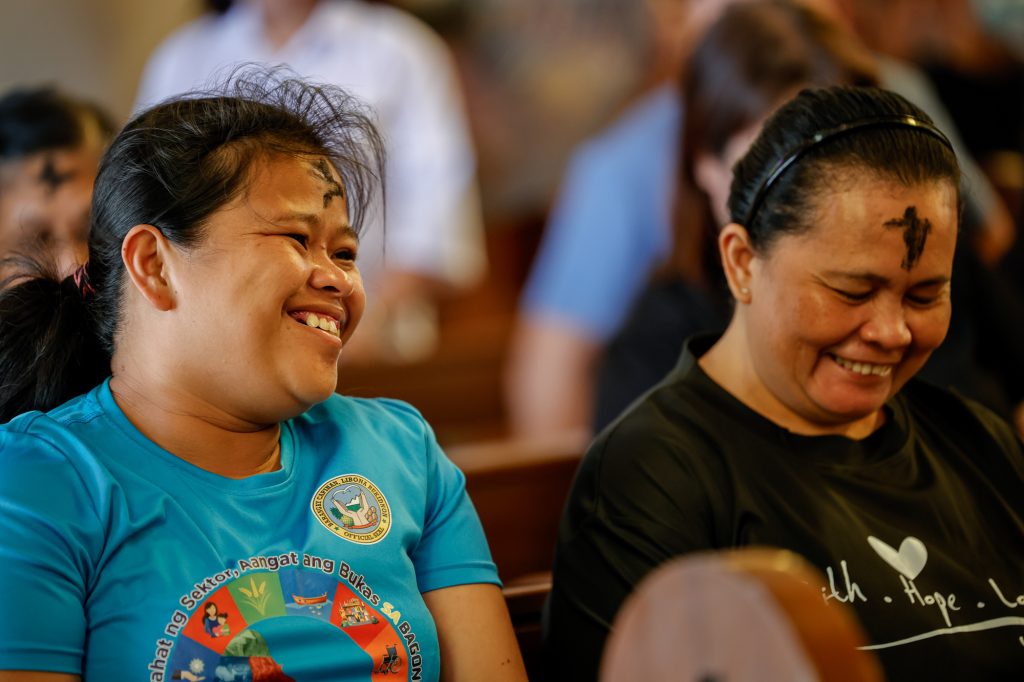
Reflecting on the ashes imposed at the start of Lent, Ayuban reminded the faithful of both human frailty and belonging.
“Today, the ashes remind us that we are dust. But they also remind us that we belong to God,” he said.
“This is the favorable time, the day of salvation. Let us return to the Lord—not halfway, not superficially, but with all our heart.”
All photos by Jire Carreon