Catholic bishops’ commission on migrants and itinerant people called on dioceses nationwide to strengthen church action against trafficking.
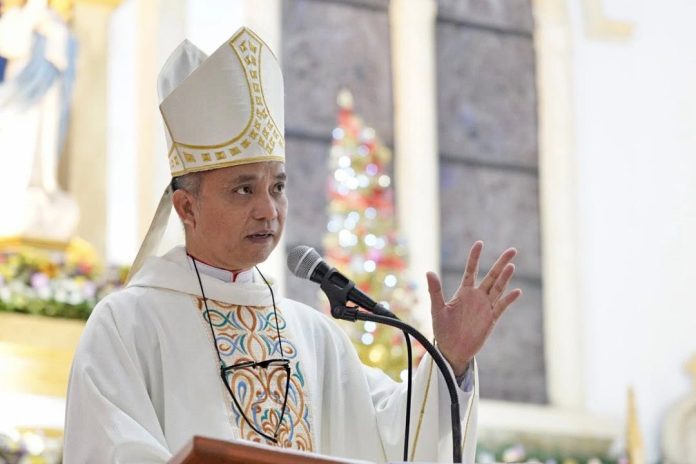
Bishop Socrates Mesiona of Puerto Princesa, chair of the commission, urged dioceses to establish and reinforce Diocesan Committees Against Human Trafficking, or DCAHT, to ensure coordinated responses.
He said these committees should lead “coordinated prevention, protection, referral, and advocacy efforts” to respond more effectively to trafficking cases across local churches.
The commission said at least 12 diocese have set up DCAHTs since the initiative was proposed three years ago, mostly in the Luzon region.
Mesiona warned that trafficking remains a serious threat in the Philippines, driven by poverty, illegal recruitment, online abuse and growing risks faced by migrants, women and children.
“Peace begins with dignity,” Mesiona said, adding that trafficking destroys not only individual lives but also families, communities, and the moral conscience of society.
He said trafficking often starts quietly through “false promises, deceptive recruitment, misleading online messages, and the exploitation of desperation and silence.”
Mesiona made the appeal in a statement for the National Day of Prayer and Awareness Against Human Trafficking on Feb. 1.
He also called on parishes to play a frontline role in prevention by becoming safe spaces for learning, vigilance and protection of vulnerable people.
“We call on parishes to become spaces of vigilance, education, and protection,” he said, urging integration of awareness into catechesis, youth programs, and family formation.
Mesiona stressed that prayer must lead to concrete action. “Awareness must move us toward responsibility, and faith must lead us to action,” he said.
While affirming the Church’s mission, he said combating trafficking requires strong government leadership, including law enforcement, victim protection and policies grounded in human dignity.