The Philippine economy grew at its slowest non-pandemic pace in 14 years in 2025, expanding by 4.4 percent, as a major corruption scandal and climate-related disruptions dragged on growth, government data showed Thursday.
The full-year expansion fell well below the government’s June projection of 5.5 to 6.5 percent, a forecast that had already been downgraded to factor in U.S. tariffs and “global uncertainties,” Agence France-Presse reported.
The 2025 figure marked the weakest performance since 2011, when the economy grew 3.9 percent, excluding the 9.5 percent contraction recorded in 2020 during the Covid-19 crisis.
Growth slowed sharply in the final quarter, with the economy expanding by 3.0 percent from October to December, down from 5.3 percent a year earlier, marking a second consecutive quarter of missed targets.
Economic Planning Secretary Arsenio Balisacan said a widening probe into bogus flood control projects weighed heavily on confidence and investment.
“Admittedly, the flood corruption probe scandal weighed on business and consumer confidence,” Balisacan told reporters, referring to alleged fraud believed to have cost taxpayers billions of dollars.
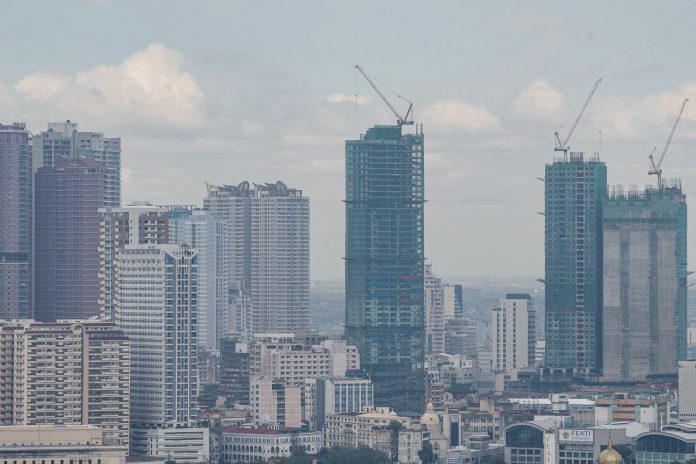
Construction spending fell sharply after the scandal surfaced in July, when President Ferdinand Marcos made it the focus of a public address. Since then, scores of officials, lawmakers, and construction firm owners have been implicated.
Balisacan said the slump in public construction significantly dragged down overall growth. “If public construction (had not been) been flat, GDP for 2025 would have actually increased from 4.4 to 5.5 percent,” he said, citing a 0.24 percent decline in the sector for the year.
He also pointed to “weather and climate-related disruptions,” including heatwaves and nationwide flooding, which led to missed workdays and school closures and dampened domestic demand.
Despite the weak performance, Balisacan said reforms prompted by the infrastructure scandal could support a rebound in 2026.
“The resulting measures and governance reforms are necessary to strengthen accountability, improve project quality, ensure better value for scarce public resources, and build our capacity for faster and more sustainable growth in the years ahead,” he said.
Analysts, however, warned that growth may remain subdued. London-based Capital Economics noted an 18.4 percent plunge in public investment and said the recovery could be slow.
“Overall, we expect the economy to grow by around 4.5 percent in 2026, which would remain below trend and consensus (5.3 percent),” said Asia economist Shivaan Tandon. “With inflation set to stay low, we think the central bank has scope to deliver a couple more interest rate cuts in the coming months.”