
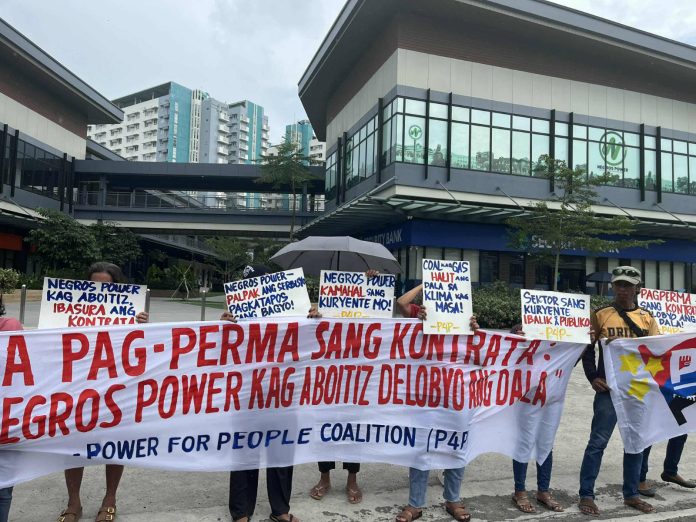
The bishop of San Carlos in the central Philippines has warned against the new approved power supply agreement between Negros Electric Power Corporation (NEPC) and Aboitiz Power.
Bishop Gerardo Alminaza said the deal will deepen the region’s dependence on coal and expose more communities to long-standing environmental and health impacts.
“New contracts like this with NEPC only extend the life of coal plants and make more people suffer, when they should have been phased out a long time ago,” said Alminaza, convenor of the Save Tañon Strait Movement.
Alminaza, who is the incoming president of Caritas Philippines, noted that the people of Toledo City have been suffering from chronic cardio-respiratory illnesses, skin rashes, livelihood loss, and contaminated air, water, and soil that residents attribute to the continued operations of the Therma Visayas Inc. (TVI) coal plant.
The agreement secures an additional 20MW of electricity for NEPC from the TVI coal plant in Cebu. Consumer group Laban ng Mamamayan sa Monopolyo at Pribatisasyon (LAMP) said this will drive electricity prices higher while tying households to what it described as “an expensive and climate-destructive fuel source.”
“Their promises of improved reliability and cost-efficiency is a lie,” said LAMP spokesperson Vincent Flores.
“Coal is one of the most expensive sources of energy, and data shows that it is also the culprit behind 50% of power outages in the country, prone to unplanned shutdowns especially during storms,” he added.
Flores said the situation echoes the contested 2023 Joint Venture Agreement between CENECO and MORE Power, which promised lower rates and a more reliable supply for the 220,000 households previously served by the cooperative. According to him, those assurances remain unfulfilled.
The TVI plant, which will supply the additional power for NEPC, has faced public pressure over what groups call an “illegal” expansion despite the national moratorium on new coal projects.
Power for People Coalition (P4P) has filed a graft complaint against former Energy Secretary Raphael Lotilla, alleging “questionable favors” tied to the project.
P4P Convenor Gerry Arances said the Visayas grid’s yellow alert on November 20 underscored the vulnerability of coal-based systems.
The alert followed the shutdown of two TVI units due to a “disruption in coal handling operations.”
“The recent yellow alert in the Visayas grid highlights the unreliability and inefficiency of coal-fired plants,” Arances said.
“The contract between NEPC and Aboitiz serves only to push us deeper into a dependence on high-cost energy that does not even provide reliable power,” he added.
Arances said Negrosanons saw an immediate reduction of P2.40 per kilowatt-hour in their electricity bills when renewable energy entered the grid last year, but noted that the savings were short-lived and have since disappeared.