Cardinal Pablo Virgilio David of Kalookan offered a deeply personal reflection on a Thai film that, he said, revealed profound truths about love, aging, and family life.
On a reflection posted on his Facebook account, the prelate recounted how the film “How to Make a Million Before Grandmother Dies” by Thai director Pat Boonnitipat moved him deeply during his flight home from Rome, prompting him to watch it twice.
He said he initially expected “a story about inheritance” but instead found “a tender meditation on love, aging, and the quiet sacrifices that make a family.”
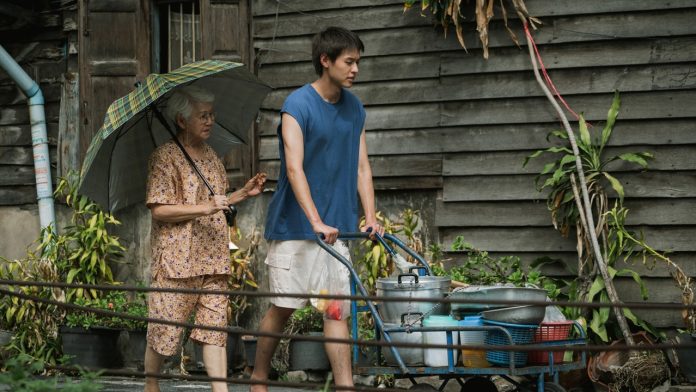
The story, which follows a young man named M who decides to care for his ailing grandmother, Mengju or Amah, in hopes of inheriting her house, unfolds into a lesson on selfless love and transformation.
The cardinal was struck by scenes that revealed the loneliness and quiet hope of aging parents. He described one moment when the grandmother cooks extra food every Sunday and waits in front of her home, just in case a child or grandchild might visit.
A scene that, he said, captured “the loneliness of old age in many Asian homes, where parents who once gave everything spend their twilight years waiting for footsteps that seldom come.”
Another moment that resonated with him was when Amah, who had cared for her parents until their deaths, was denied help and inheritance by her brother.
The cardinal noted that the scene was painful “not because it was rare—but because it was all too real.”
As the film progresses, the grandson’s selfish intentions slowly give way to genuine affection, mirroring, according to Cardinal David, how “grace works quietly.” The young man, he said, learns to care as his mother once did—“without counting, without expecting.”
The prelate said the film reminded him of his own upbringing in Betis, Pampanga, where he grew up in their ancestral home, the Bale Pinaud.
He recalled how his father dried the umbilical cords of each of his 13 children and tied them to the bamboo rafters as a reminder to “stay connected, remember where you came from, always come home.”
Those memories, he said, returned vividly as he reflected on the film’s message about roots, belonging, and family stories that endure through generations.
He shared that his brother once insisted on restoring their ancestral house after it was nearly lost to lahar, saying, “If we demolish it, we’re not just losing a house—we’re losing our story.”
Cardinal David said the Thai film became a parable about what truly matters. “The real ‘million,’” he wrote, “is not money. It is time given before it is too late—the courage to return, to say thank you or I’m sorry, to sit, to listen, to forgive, to linger a little longer before leaving again.”
He ended his reflection with a call for families to rediscover the meaning of presence. “If you still have a Lola or Lolo, an Inang or Tatang—send a message tonight. And when you can, go home,” he urged. “Parents don’t need pasalubong. They need presence—your voice, your story, your hand in theirs.”
For the cardinal, the film’s message was ultimately about connection—whether through blood, memory, or grace. “Some umbilical cords are tied to bamboo rafters,” he concluded. “Others are tied by memory, gratitude, and grace. What matters is that they hold.”