
The spirit of St. Francis of Assisi—whose feast day on October 4 is a universal marker for peace and interreligious dialogue—resonated across Asia as religious leaders in Mumbai and Bangkok hosted significant interfaith events over the weekend to foster mutual respect and understanding.
The simultaneous gatherings underscored a united front among faith communities committed to peaceful coexistence in multicultural societies.
Dialogue as a ‘necessary tool for peace’
On Friday, coinciding with the Feast of St. Francis, Cardinal George Jacob Koovakad, prefect of the Vatican Dicastery for Interreligious Dialogue, spoke in Mumbai and pointed to the saint as “a pioneer of interreligious dialogue who sowed seeds of peace.”
The cardinal described interfaith dialogue itself as “a necessary and unique tool for peace.”
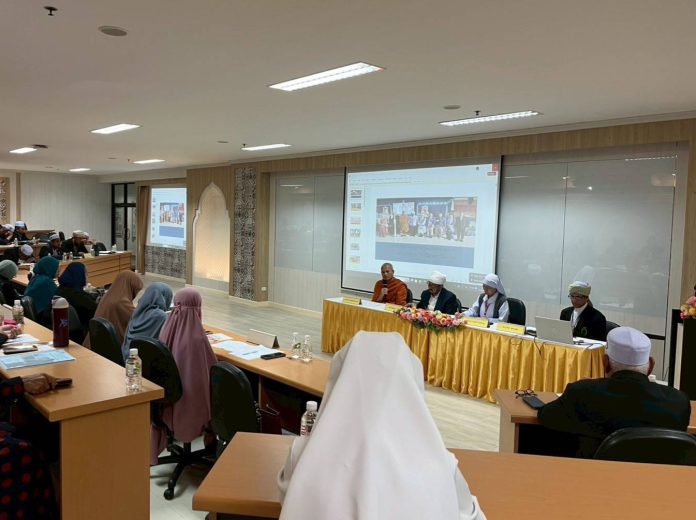
His message was echoed in Thailand, where religious and civic leaders in Bangkok gathered on Saturday for a seminar exploring how diverse faiths can strengthen the nation’s multicultural fabric.
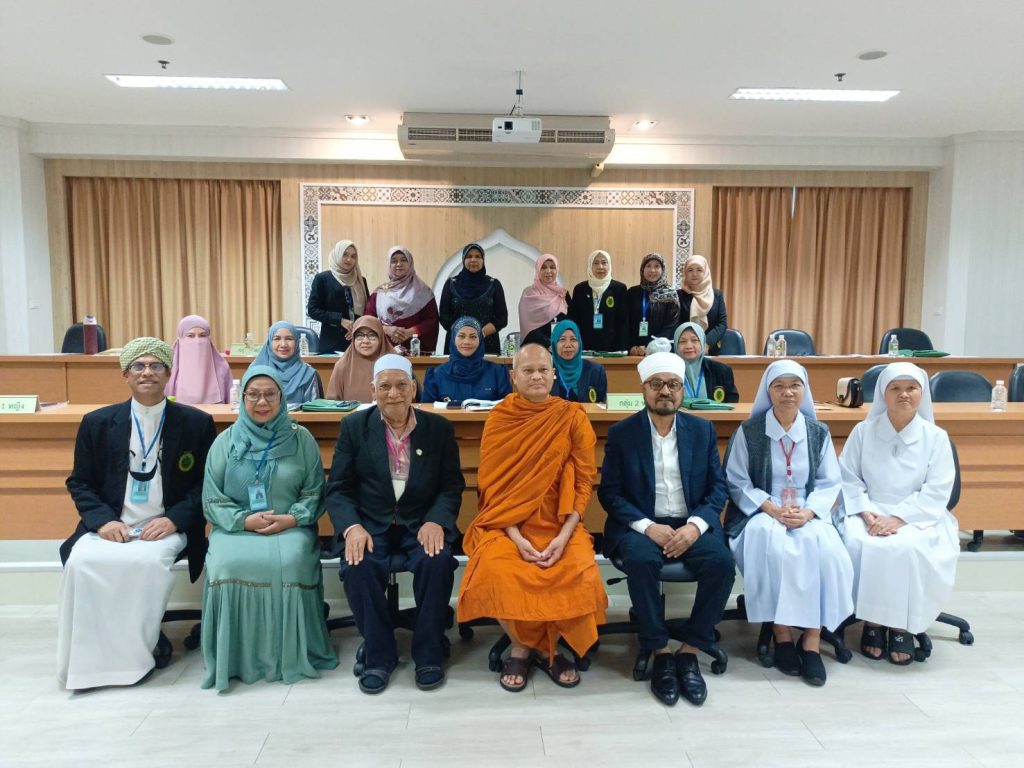
The seminar, hosted by Muslim scholars under the auspices of the Modern Religious and Modern Muslim Leadership Development Programs, brought together representatives of Thailand’s five major religions—Buddhism, Islam, Christianity, Hinduism, and Sikhism—along with academic and civic leaders.
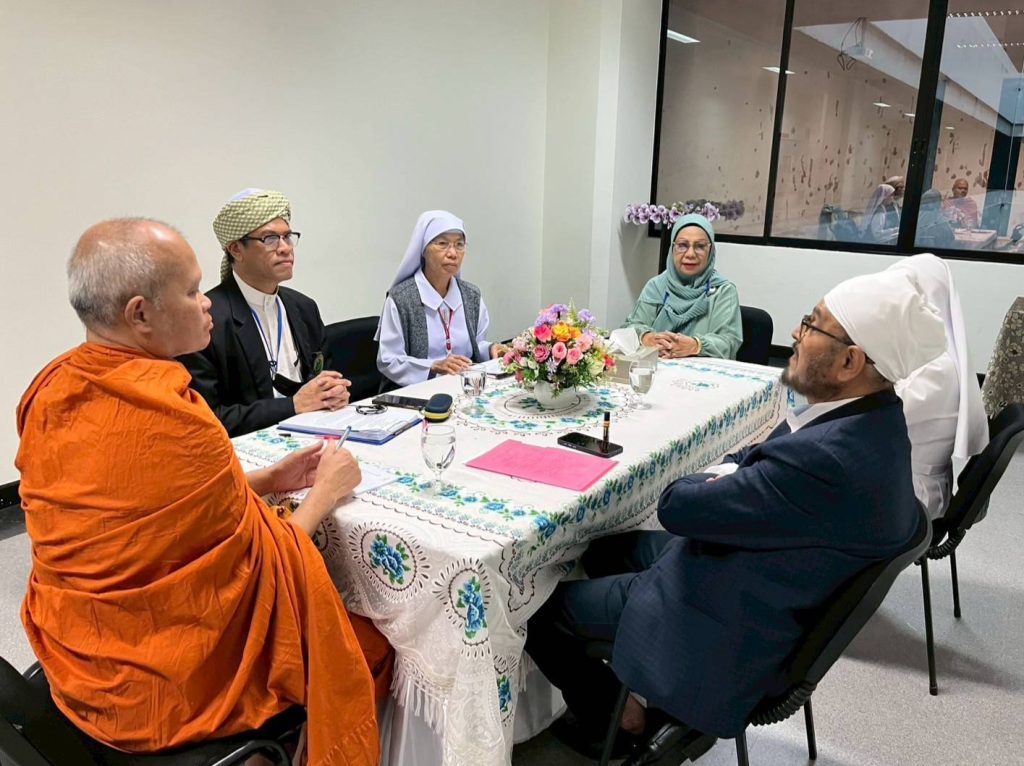
Among the panelists was Sr. Kannikar Lamtaisong, SHC, representing the Catholic Bishops’ Conference of Thailand’s Office for Interreligious Dialogue.
She joined a diverse group of faith and community leaders to discuss how religious teachings can guide coexistence in a society of varied beliefs and customs.
“The diversity of religions can strengthen social bonds and a sense of belonging as people learn to coexist and appreciate different belief systems,” Sr. Kannikar told LiCAS News.
She emphasized that while celebrating differences, multicultural societies must also “seek common ground and shared values to ensure a peaceful and unified future.”
She highlighted that every major faith shares core principles of love, compassion, and nonviolence—values that mandate mutual respect and dignity for all people.
Principles for peaceful coexistence
The interfaith leaders in Bangkok agreed that achieving peaceful coexistence requires more than just conversation; it demands active education and collaboration.
They proposed forming networks linking homes, temples, and schools, using religious teachings to guide daily life and nurture future leaders capable of bridging societal divides.
To guide this engagement, the assembly outlined three core principles for genuine dialogue:
- Self-awareness – To understand one’s own beliefs and serve as a sincere example for others.
- Inner peace – To cultivate mental stability and mindfulness, enabling communities to navigate conflict with compassion and wisdom.
- Humility and a growth mindset – To remain open to learning from all religions and cultures, avoiding prejudice, and embracing growth through shared experience.
Sr. Kannikar concluded that true understanding begins with a willingness to learn from the past and the present.
“The goal of fostering peaceful coexistence is to build deep understanding and respect,” she said, “so that diversity becomes not a source of division, but a wellspring of peace.”