
At a United Nations high-level meeting in New York, Archbishop Paul Richard Gallagher of the Vatican warned that “technology is being used to exacerbate certain forms of abuse and violence,” stressing that the gravity of abuse against women and children extends beyond sexual exploitation and trafficking.
He was referring to the artificial intelligence (AI)-driven internet, where sexual violence has become widespread. A UN Children’s Fund (UNICEF) study, Disrupting Harm, found that the Philippines had the highest number of child victims of online sexual abuse and exploitation among the 13 countries surveyed.
Parents today face a grave concern: nearly every school-age child has access to a mobile phone and the internet. Children often keep their online lives secret, making it difficult for parents to monitor their activities.
The Philippines has become a hotspot for online child sexual abuse. Thousands of foreign pedophiles search to trap children in cycles of exploitation, often through extortion. They pay poor families money for food or education, later persuading parents or relatives to involve children in live-streamed sexual acts.
Some parents justify this by saying there is no physical contact, but the abuse remains a heinous crime. Victims as young as five years old are intimidated, violated, and psychologically scarred, with little understanding of what is happening to them.
AI-driven search engines and online platforms expose children to predators posing as peers. After befriending children, these abusers coax them into sending explicit photos or videos. Once obtained, the predators blackmail the children—threatening to share the material with classmates, parents, or online—demanding money or sexual favors. Many victims remain silent, devastated and trapped.
In one ongoing case in Cagayan, a Catholic priest groomed a girl, lured her to a hotel, raped her, and recorded the assault to blackmail her into silence. The survivor eventually confided in friends, leading to the priest’s arrest and trial.
Widespread Abuse
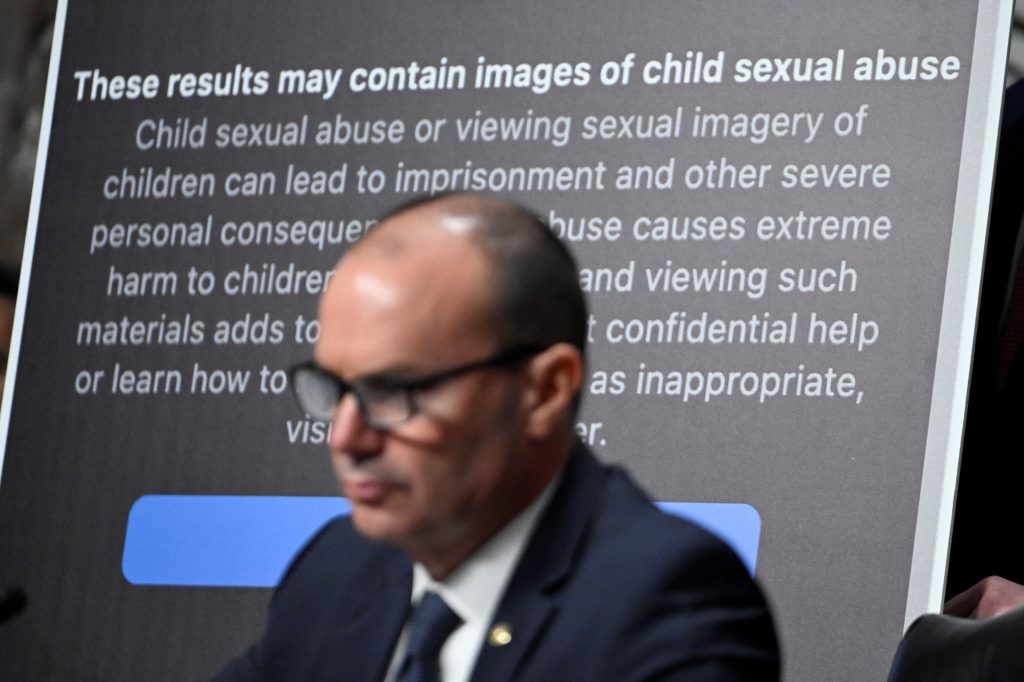
Millions worldwide suffer sexual assault. In late 2024, UNICEF reported that 370 million girls and women will have been subjected to rape or sexual assault before turning 18. In a separate report, the agency said online child abuse proliferates because of “lack of adequate safeguards and regulations to match the pace of digital change.”
In the Philippines, this reflects the government’s failure to enforce laws requiring telecommunications companies (telcos) and internet service providers (ISPs) to install blocking software. As a result, child sexual abuse images and videos continue to circulate freely.
Children exposed to these materials are sometimes incited to imitate what they see. One such case was Maria, a 12-year-old raped multiple times by a 15-year-old boy who had consumed abusive online content. She was later referred to the Preda Foundation for therapy, healing, and justice.
UNICEF estimates that 2 million Filipino children are victims of online sexual abuse. Yet ISPs have failed to deploy required blocking technology, in violation of existing laws.
The National Telecommunications Commission (NTC), tasked with enforcing these laws, has issued directives—such as Memorandum Circular 01-01-2014—but implementation remains weak. Republic Act (RA) 9775, or the Anti-Child Pornography Act of 2009, and RA 11930, the Anti-Online Sexual Abuse or Exploitation of Children Act of 2022, both mandate ISP accountability. Still, enforcement has been lacking.
The NTC appears unwilling to confront ISPs, which continue to act with impunity despite President Ferdinand Marcos Jr.’s public expression of shock at the extent of child abuse images online.
Unless challenged, this impunity will persist, and the flood of abusive materials will continue to damage children’s minds and emotions, exposing them to exploitation and even turning some into future abusers.
Young people must rise to demand a safe, abuse-free internet—and it is the duty of both government and telcos to deliver it.
Note: Any original information, stories, or news articles posted on this site that are authored by the Preda Foundation and Father Shay Cullen may be shared, copied, or reproduced without further permission, in support of truth, freedom of expression, and the public’s right to know.
LiCAS News was granted permission to republish and adapt this article by Father Shay Cullen in the spirit of truth-telling and the pursuit of justice.
Irish missionary Father Shay Cullen, SSC, founded the Preda Foundation in Olongapo City in 1974 to promote human rights and the rights of children, especially victims of sexual abuse.
The views expressed in this article are those of the author and do not necessarily reflect the editorial stance of LiCAS News.