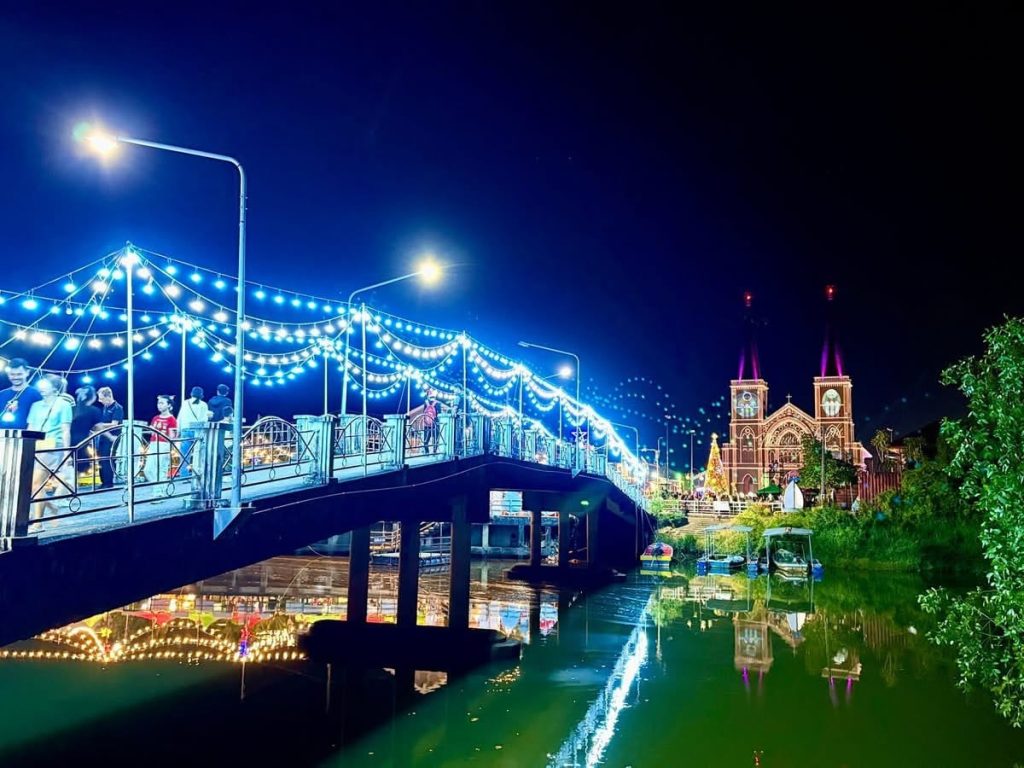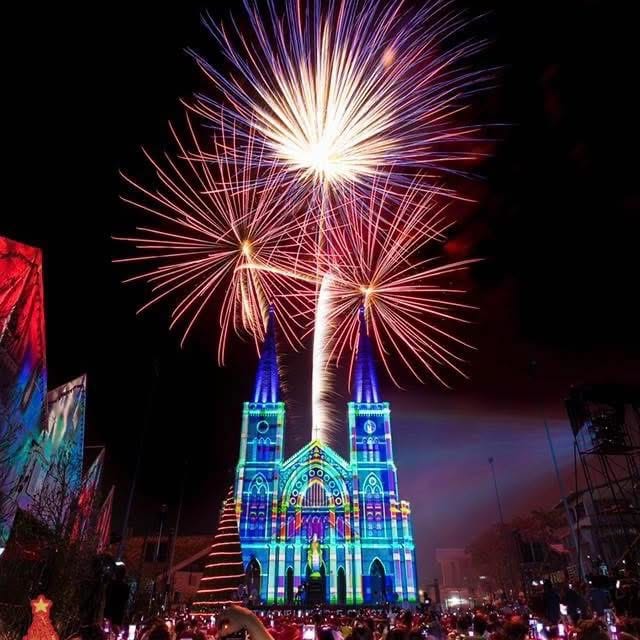
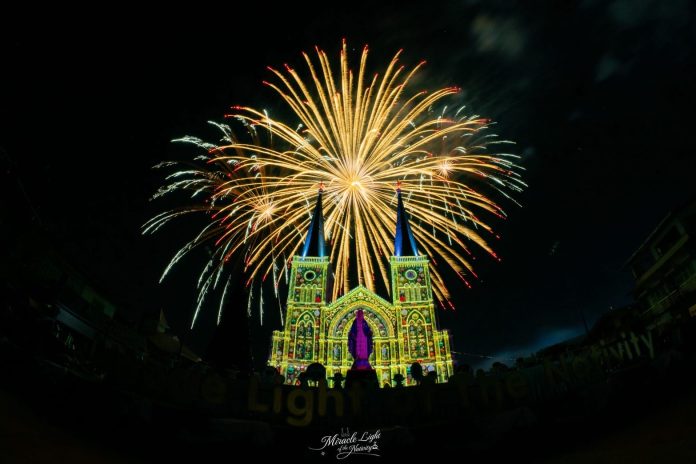
Christmas in Asia is marked by diversity of place, culture, and circumstance, yet unified by the celebration of the Holy Mass and the proclamation of Christ’s birth.
Across the continent, Catholic communities gather in cathedrals, parish churches, village chapels, and makeshift worship spaces to mark the Nativity.
Liturgies are shaped by local languages, music, and customs, reflecting centuries of inculturation. From dawn Masses in Southeast Asia to midnight celebrations in major cities, the Eucharist remains the focal point, anchoring varied expressions of faith in a shared belief.
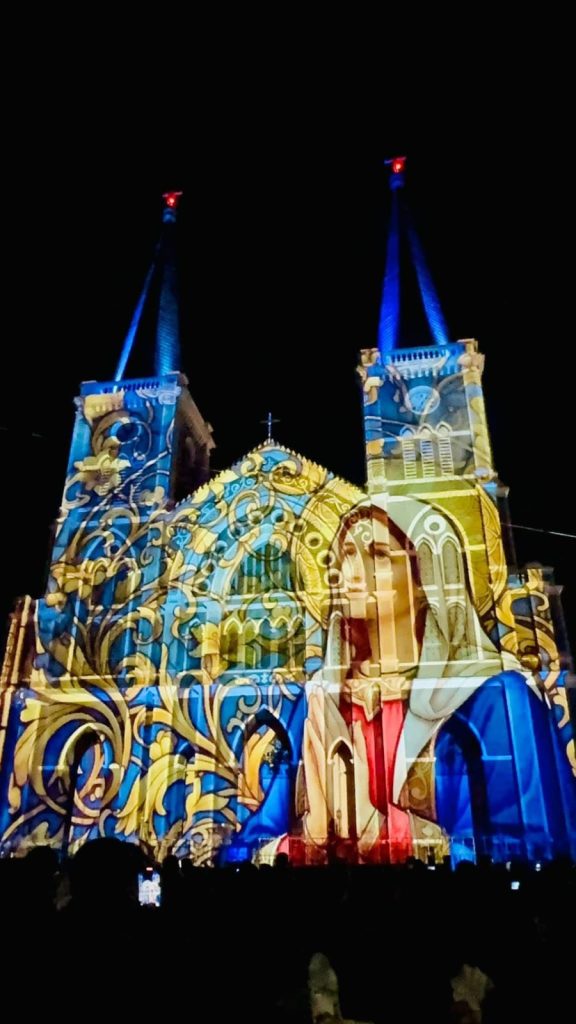
Many of these celebrations unfold in contexts of vulnerability. In parts of Asia, Christmas is observed amid poverty, displacement, conflict, and environmental risk.
Families attend Mass after long journeys, worship in areas affected by natural disasters, or gather quietly as religious minorities.
The Nativity story, recalling a child born without privilege or security, resonates deeply in these settings. Decorations may be modest and choirs small, but the meaning of the feast is sharpened by the realities surrounding it.
Taken together, these accounts reveal a Church that marks Christmas not as spectacle, but as witness. Across Asia, the birth of Christ is celebrated with determination and shared purpose, shaped by community life and everyday struggle.
Diverse cultures converge around the same altar, affirming a shared faith lived on the margins and sustained through solidarity.